Every school I work with can tell me how many families came to the last open day. Almost none can tell me how many wanted to come and could not. That second number is usually the larger one, and it is where a virtual open day earns its place.
A virtual open day is not a webinar and it is not a video. It is the same event you already run, rebuilt so that a family can take part from wherever they are, at whatever hour suits them, and then come to the real thing better informed. Done properly it runs all year rather than twice, and it costs you nothing to hold again.
01Who Your Open Day Is Currently Missing
Before deciding what to build, it is worth being precise about who cannot attend, because each group needs something slightly different.
Relocating families are shortlisting from another county, often before they have found a house. They will narrow the field to two or three schools without visiting any of them, and they are working to a deadline set by a job start date rather than by your admissions calendar.
International and boarding applicants may commit before they ever see the buildings. Parents in Hong Kong or Lagos choosing a boarding school are making an enormous act of trust, and the questions they most want answered, about how comfortable and looked after their child will be, are the ones they are too polite to put in an email.
Working parents and separated families. Shift patterns, a Saturday job, a court order that means only one parent can attend. These are ordinary reasons and there are a lot of them.
Families for whom a crowded open day is the wrong environment. A child with additional needs, or an anxious eleven year old, may take in almost nothing on a busy Saturday morning. Being able to look round quietly at home first changes the experience entirely.
Sixth form and college applicants, who are the decision makers themselves, researching on a phone, late, comparing you against two other places on facilities they have only seen in photographs.
02Structuring the Day Itself
The mistake I see most often is treating "virtual open day" as a page with a video on it. The events that actually generate applications have a shape, and the shape mirrors your in-person day.
Open with a short welcome from the head. Two or three minutes, to camera, not a lectern recording. Its job is tone, not information. Families are deciding whether they like you before they evaluate anything.
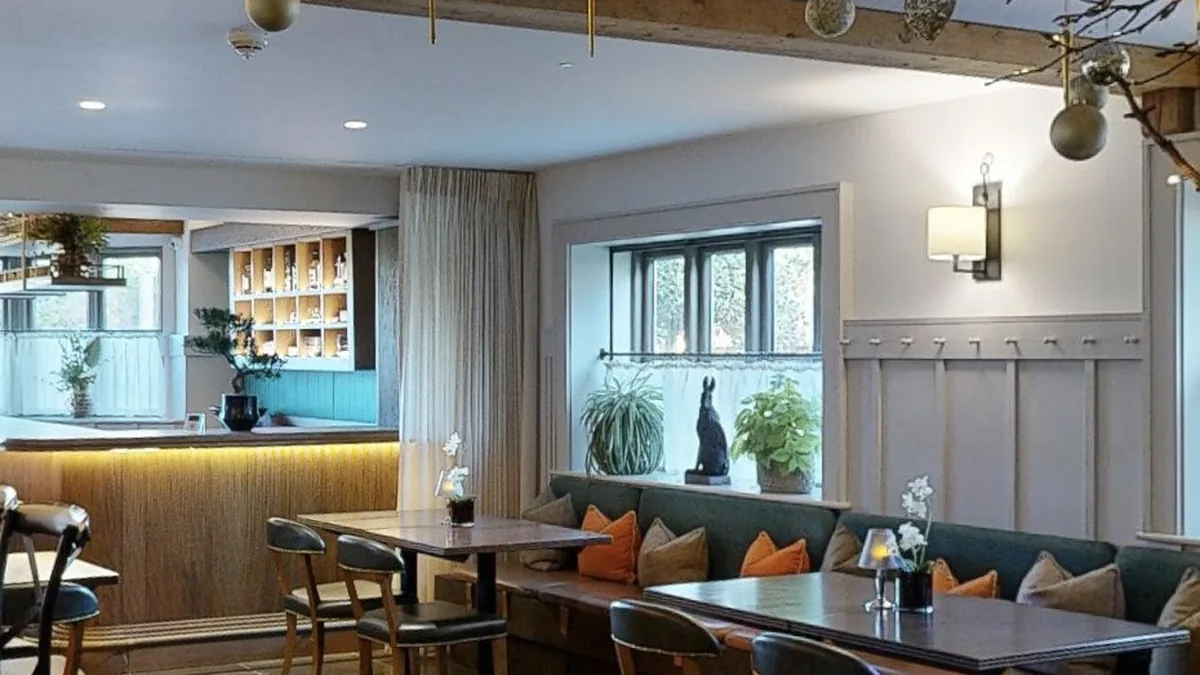
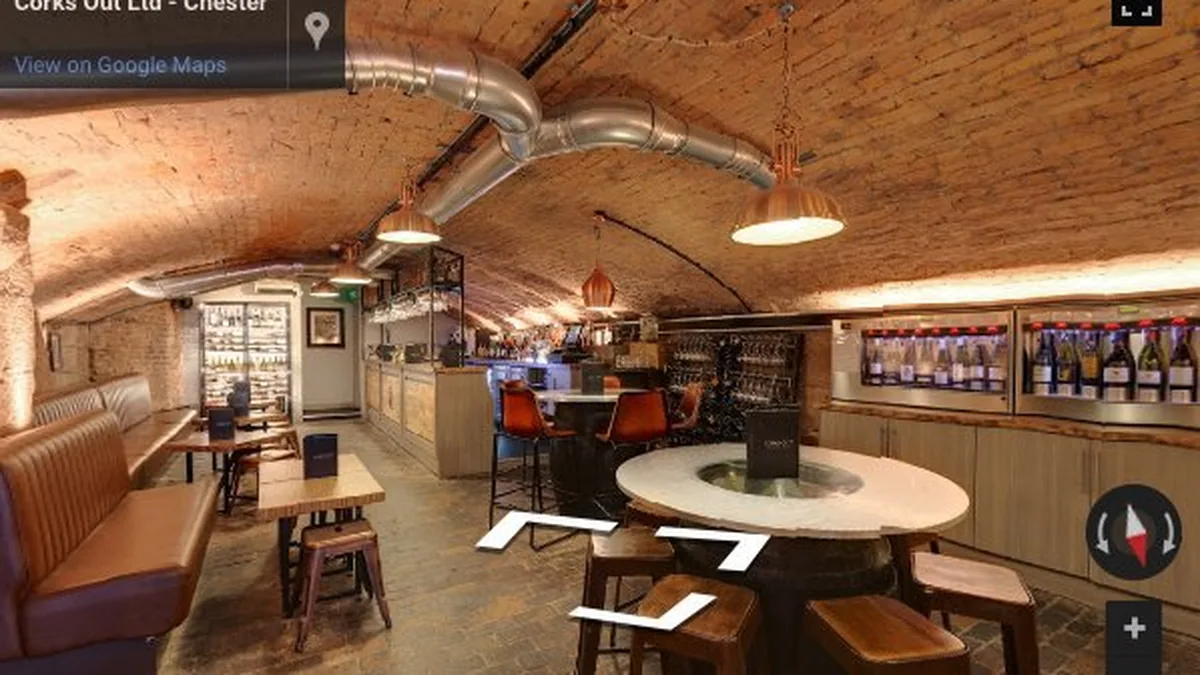
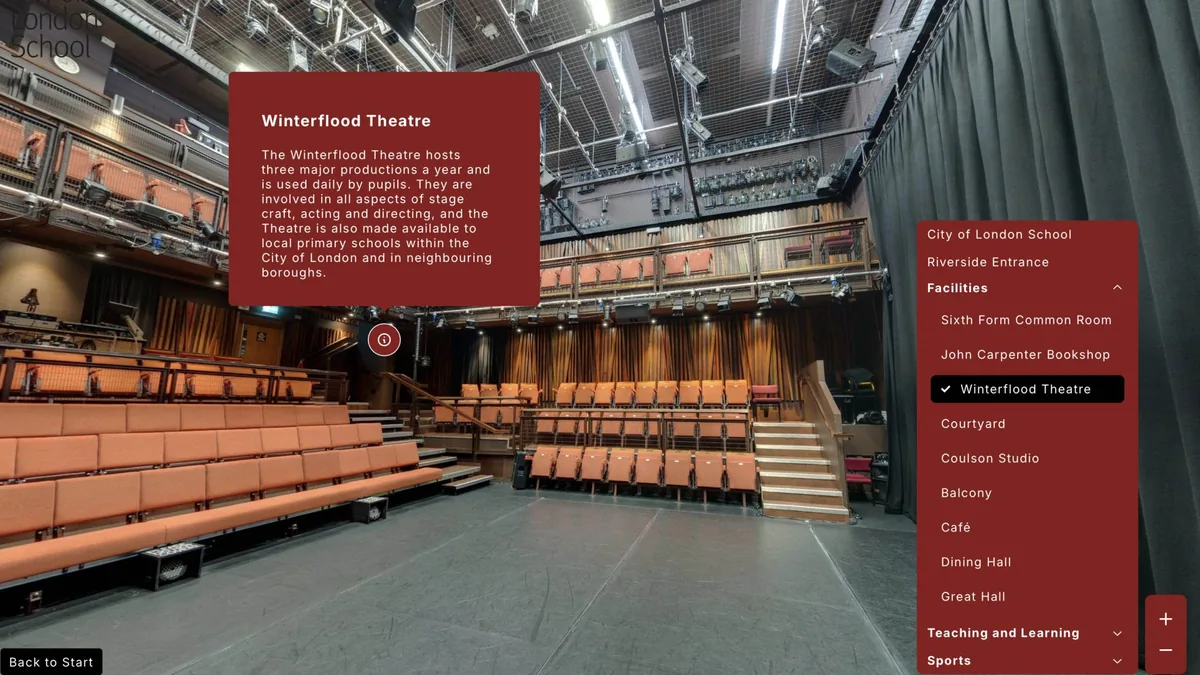
Then hand over to a self-guided tour. This is the core of the event and the part that does the work while you sleep. A family should be able to walk the site in their own order, linger in the boarding house or the design workshop, and skip the bits they do not care about. This is exactly what a purpose-built tour of your school, college or campus is for, and it is the single asset that everything else in the day hangs off.
Layer the detail inside the tour rather than around it. Departmental video, a head of year talking about pastoral care, a two-minute clip of a music rehearsal, all placed in the room it belongs to. A parent standing in the science lab is far more receptive to a thirty second clip about the science curriculum than the same clip sitting in a playlist on a separate page.
Book live slots for the human part. Scheduled Q&A sessions with the head, heads of department and, best of all, current parents and pupils. Keep them small and keep them optional. The tour answers what the place looks like, the live slots answer what it feels like, and only one of those needs your staff in a room.
Close with a defined next step. Not "contact us". A booking link for an individual visit, a prospectus download, a taster day form. The whole point of the exercise is that the family arrives at the real visit already half persuaded.
Follow up within forty eight hours. One email, with the tour link again, the recording of the Q&A they missed, and the booking link. Families who watched the tour twice are the ones worth ringing.
03The Timing Nobody Plans For
A virtual open day is worth building because it does not expire, and the calendar around it is more useful than most schools expect.
In the run-up to your in-person day it drives attendance, because families who look round online are considerably more likely to turn up on the Saturday. Afterwards it becomes the follow-up asset for everyone who attended, and it lets a family revisit the sixth form block they rushed past while managing a bored younger sibling.
For colleges and universities, clearing is where this pays for itself outright. A student who has become available in mid-August, who has days to decide and cannot travel, will choose the institution that lets them see the accommodation and the teaching space that afternoon. There is no time to arrange a visit and no second chance.
International recruitment works the same way but on a longer timescale. Agent packs, overseas fairs and country-specific enquiries all benefit from something an agent can open on a laptop in front of a family.
And in August, before term, the tour becomes a settling-in tool. A new pupil can walk the route from the gate to their form room a dozen times over the summer. Schools that share the tour with new families in the holidays consistently tell me it takes the edge off the first day.
04Promoting It So Someone Actually Attends
A virtual open day with no audience is just a page. What works, in order of return: an obvious block on the admissions landing page rather than buried under "About"; the link in the automated reply to every prospectus request and enquiry; a line in your open day invitation email offering the virtual option to anyone who cannot make the date; your agent packs and international materials; and the course or sixth form pages, each linked to the facilities that matter to that subject.
Two less obvious places. Your staff recruitment pages, because a teacher weighing two offers is choosing a workplace and almost no school shows them one. And a screen in reception, running the tour on a loop, which is oddly effective on the families who do come in person.
05Formats, Cost and Safeguarding, Briefly
These three questions come up immediately, and each has a proper home elsewhere on the site rather than a summary here.
On format, most schools are best served by a branded tour hosted on their own site rather than anything published publicly to Google, for reasons of control. Large or spread-out campuses are the exception, where a scanned 3D tour with a dollhouse overview communicates how buildings relate to each other in a way nothing else does. The full comparison is set out in how the three tour formats differ, and the education page above covers which suits which type of institution.
On cost, it depends on the number of buildings and specialist spaces rather than pupil numbers, and combining the tour with a stills shoot on the same visit is significantly cheaper than two separate visits. The numbers live in the cost guide rather than being restated here, and you can see the wider virtual tour services if you want the formats side by side.
On safeguarding, the short version is that I hold an enhanced DBS certificate, I can shoot outside school hours or in the holidays so that no pupil appears in the imagery at all, and you decide where the finished tour is published. A tour embedded on your admissions page can sit behind a form and be taken down at any time, which is not true of imagery published to a public mapping platform. That distinction is usually the deciding factor for a school, and it is covered properly on the education tours page.
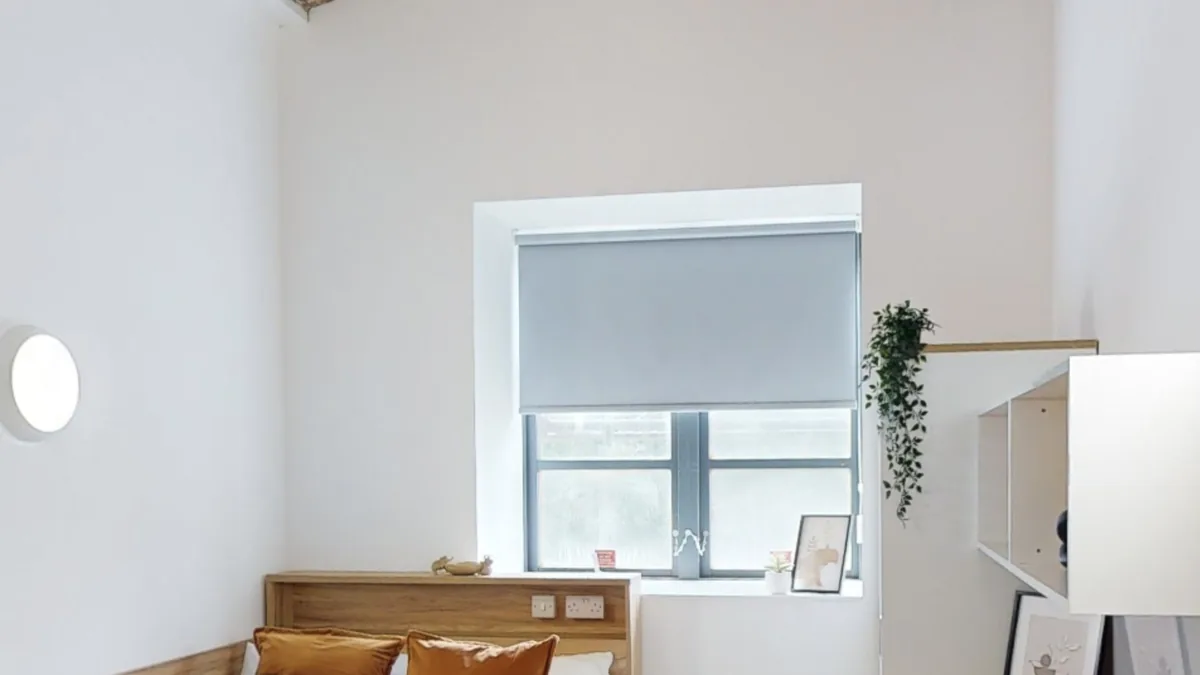
If your provision includes halls or student houses, it is worth shooting those at the same time, since student accommodation photography is often the content applicants study hardest and the content schools and colleges have least of.
06What a Virtual Open Day Will Not Do
It will not show teaching. It will not convey the atmosphere in a corridor at break, or how a head of year speaks to a child who is having a bad morning, and those are the things that actually make a school. Families know this perfectly well, and a virtual open day that pretends otherwise reads as marketing.
What it does is get you onto the shortlist, answer the practical questions before they arrive by email, and give the families who genuinely cannot attend a real reason to consider you. The visit still closes it. This just means more of the right families make it that far.
I photograph and build tours for schools, colleges and universities across Somerset, Bristol and Bath, and travel UK-wide for education work. If you are planning a virtual open day and want to talk through what it would involve, including safeguarding arrangements, get in touch or call me on 07545 450543.