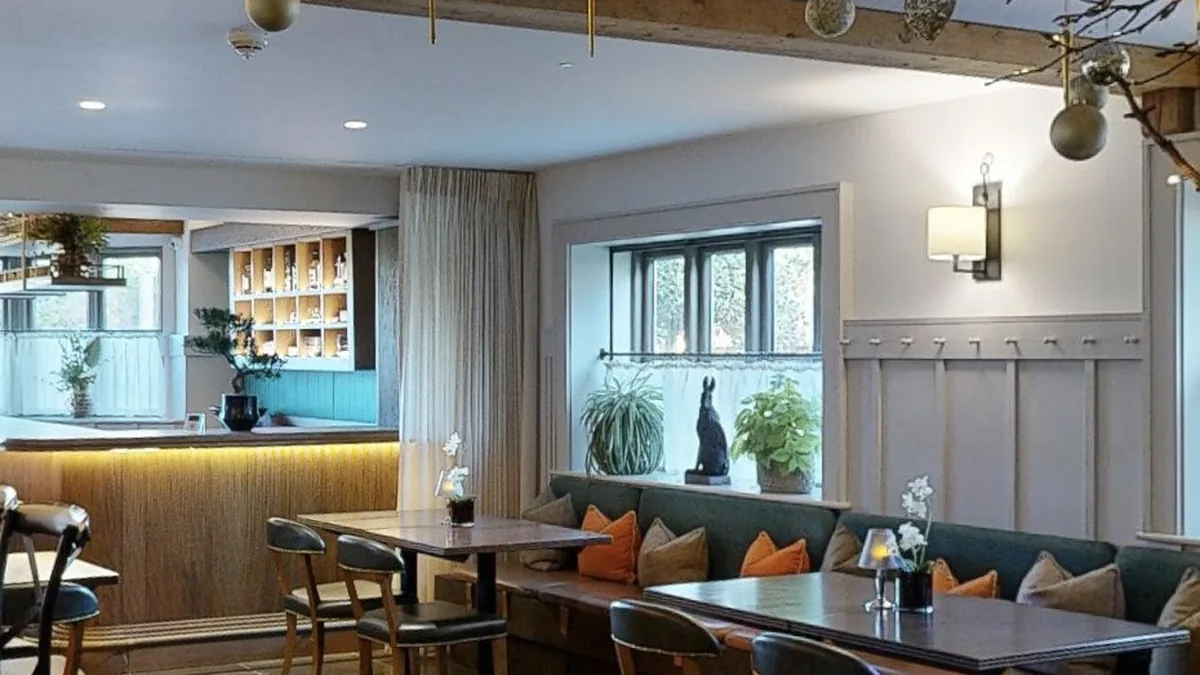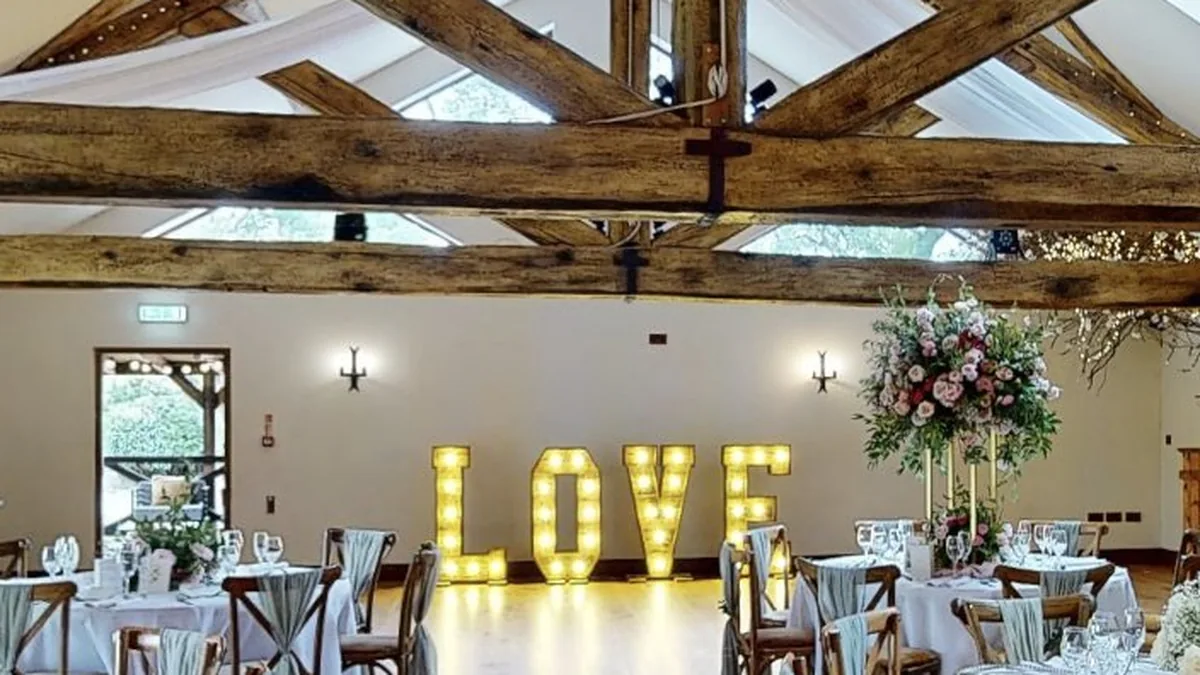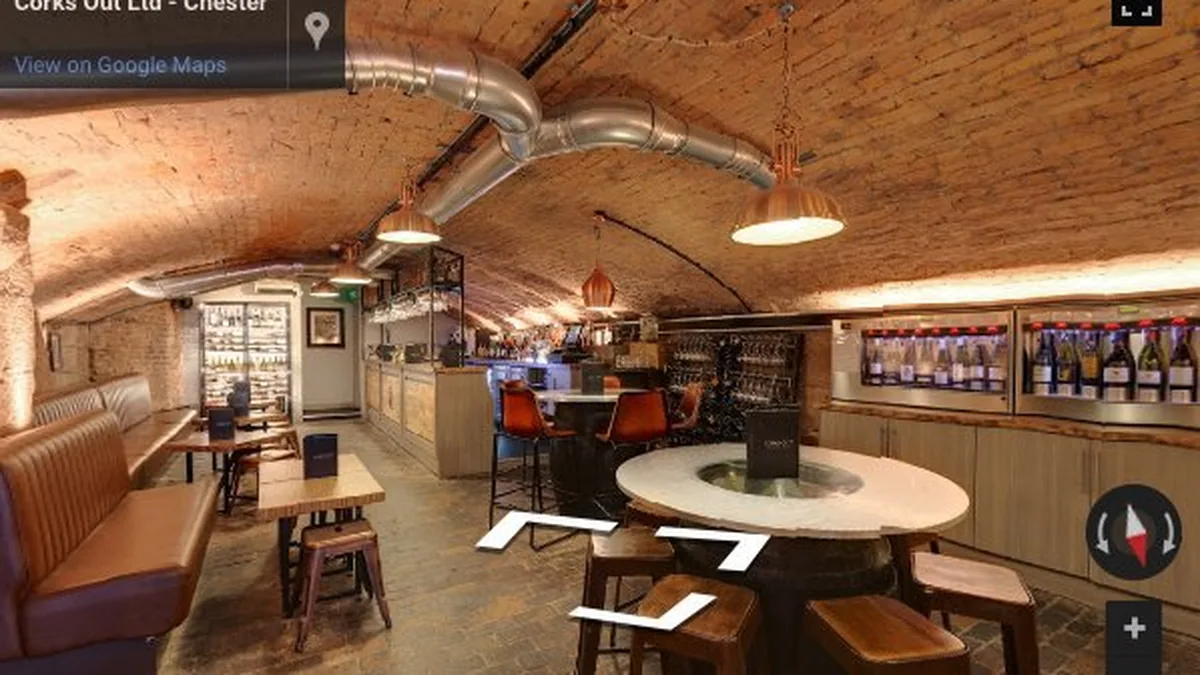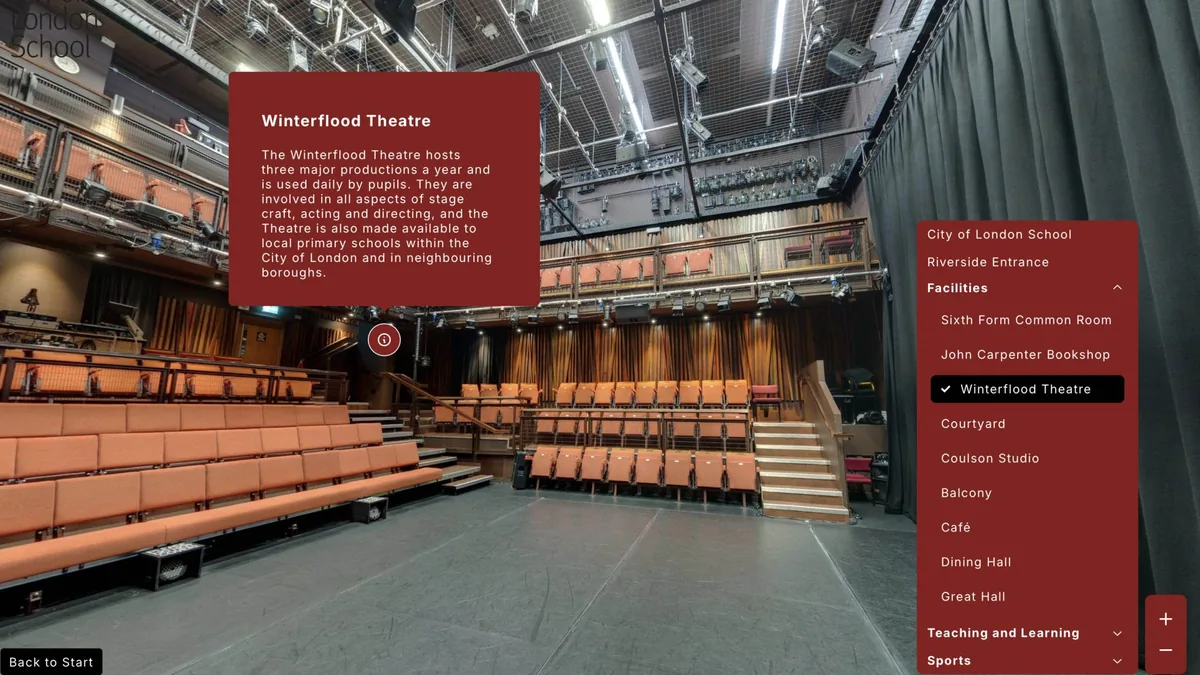
Nobody spends four thousand pounds on a sofa, or twenty thousand on a kitchen, without doing a lot of looking first. That looking happens online, late in the evening, across half a dozen tabs, and the showrooms that get visited on Saturday are the ones that looked worth the drive on Tuesday night.
The problem is that product photography does not sell a showroom. It sells a product, which the customer can then go and buy from whoever is cheapest. What sells a showroom visit is the sense that there is a lot to see, that the displays are beautifully done, and that going there in person will be worth the trip. That is exactly what a virtual tour communicates and a product grid does not.
01Why High-Ticket Retail Is the Ideal Case
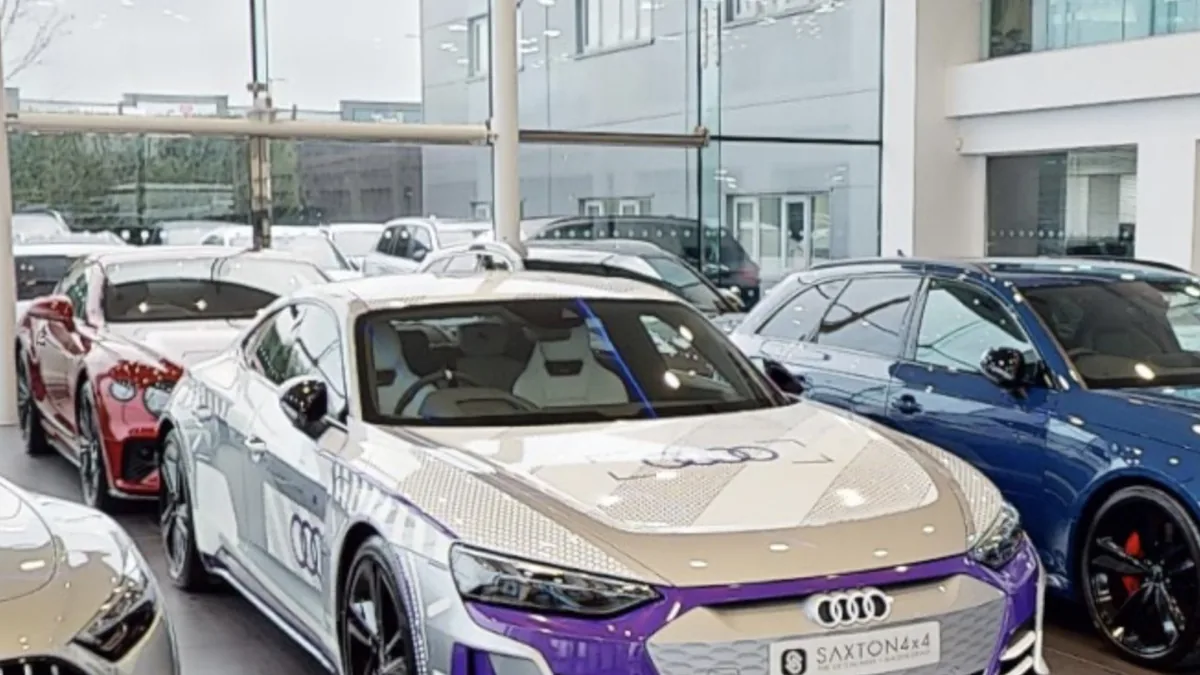
Not every shop needs a tour. A newsagent does not. But there is a category of retail where the showroom itself is the product, and for those businesses a tour does real commercial work.
Range is impossible to convey in photographs. If you stock forty kitchen door styles or thirty sofa models, a customer scrolling your website has no idea of the scale of the choice. A walkthrough communicates "there is a lot here" instantly, which is the single strongest reason for someone to visit rather than order online from a national retailer.
Display quality is your differentiator. Furniture, kitchen, bathroom and car showrooms live or die on how well the displays are staged. You have invested heavily in full room sets, lighting, flooring and vignettes precisely because seeing a kitchen in situ sells it. A tour is the only format that shows that investment to someone who has not walked in.
Long consideration cycles mean repeated visits to your website. A customer buying a kitchen will visit your site multiple times over weeks, often with a partner who has not seen it. A tour is the thing they show the partner, and it is the thing they come back to. That repeat engagement is worth a great deal for a purchase with a long decision window.
Distance stops being an objection. Specialist showrooms draw from a wide radius. A customer forty miles away needs more reason to commit to the journey than a photograph of one sofa, and a tour that shows the scale of the place provides it.
02The Format I Usually Recommend, and the One to Add
For showrooms I generally suggest a custom 360 tour built around your displays. The reason is control. Displays change, and a bespoke tour lets you place hotspots exactly where they earn their keep: a hotspot on a kitchen island that opens the range page, a hotspot on a sofa that links straight to that product, your branding throughout, and no annual platform fee for something that will sit on your website for years.
The second piece is worth doing at the same time. A tour on your own website only reaches people who already found you, whereas a Street View listing on your Google profile puts the inside of your showroom in front of people searching Google Maps for a kitchen showroom or a car dealer nearby. For businesses that depend on walk-in trade as well as appointments, having both is the combination that works: Maps brings people who did not know you existed, the website tour converts the ones who did. If you want the full picture on how the formats differ, the format comparison covers it properly, and the numbers are in the cost guide.
03What to Capture, and How Often
The instinct is to capture everything, but the tours that work are edited. The scenes worth having are the entrance and first impression, each major display zone or room set, the area where customers sit down to discuss a project or a purchase, anything that shows craftsmanship close up, and the exterior so people recognise the building when they arrive.
Two things are worth planning for. First, timing: showrooms need to be shot with customers absent, so early morning, a closed day or an out-of-hours slot. Second, refresh cycles. Displays change, and a tour showing last season's range is worse than no tour at all in some ways. A sensible approach is to capture the tour when a major refit is complete, then plan to update key scenes when you next change the displays significantly. Building that into your marketing calendar is much cheaper than a full recapture every year.
Lighting is the technical challenge that catches out most attempts at this. Showrooms combine spotlights, daylight from large windows and display lighting at wildly different colour temperatures, which is exactly the situation where a phone or a cheap 360 camera produces something muddy. Getting the balance right is most of the skill, and it is why a showroom tour and a set of stills from the same visit are worth combining: the commercial and retail photography images give you the hero shots for your website and advertising, and the tour gives customers the walkthrough.
If you want to see the standard I aim for in still imagery, my post on showroom photography for luxury retail goes into the approach, and the egoitaliano flagship showroom shoot shows how it looks in a real space.
04Where the Tour Earns Its Money
On your homepage, because it answers "is this place any good" immediately. On a dedicated "visit our showroom" page, which is the page most likely to convert into an appointment. In your email replies to enquiries, especially for customers travelling a distance. On your Google Business Profile. In paid social and search campaigns, where a tour link tends to hold attention far longer than a product image. And usefully, on the tablet your sales team hands to a customer standing in the showroom, so they can look at the range that is not currently on display.
One practical benefit that surprises people: a tour reduces the number of phone calls asking whether you have something in stock or on display, because customers can see for themselves. For a small team that is real time saved. You can see the full set of options on the virtual tour services page.
05The Honest Limits
A tour will not fix a tired showroom, and it will not sell a poorly staged one. If your displays need attention, do that first and then shoot. A tour also will not replace a good sales conversation, which is where high-ticket retail is actually won. What it does is get more of the right people through the door, better informed, with a shorter conversation needed once they arrive.
I photograph and produce virtual tours for showrooms and retail spaces across Somerset, Bristol and Bath, and travel UK-wide for commercial work. If you would like to discuss a tour of your showroom, get in touch or call me on 07545 450543.