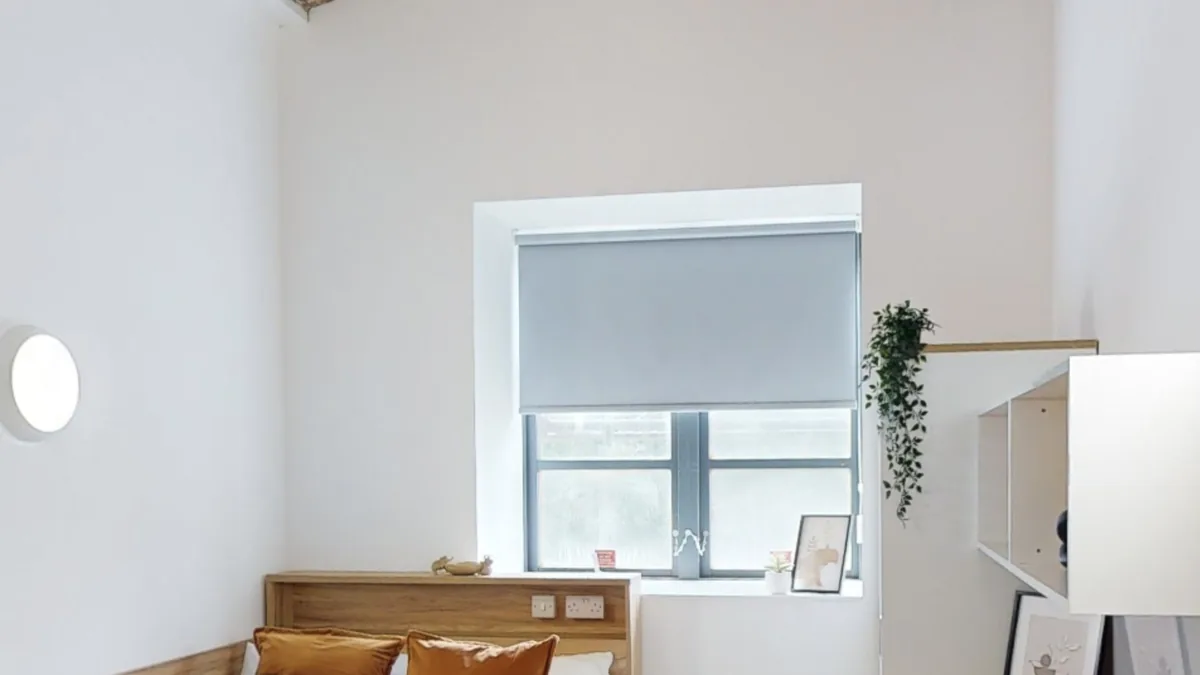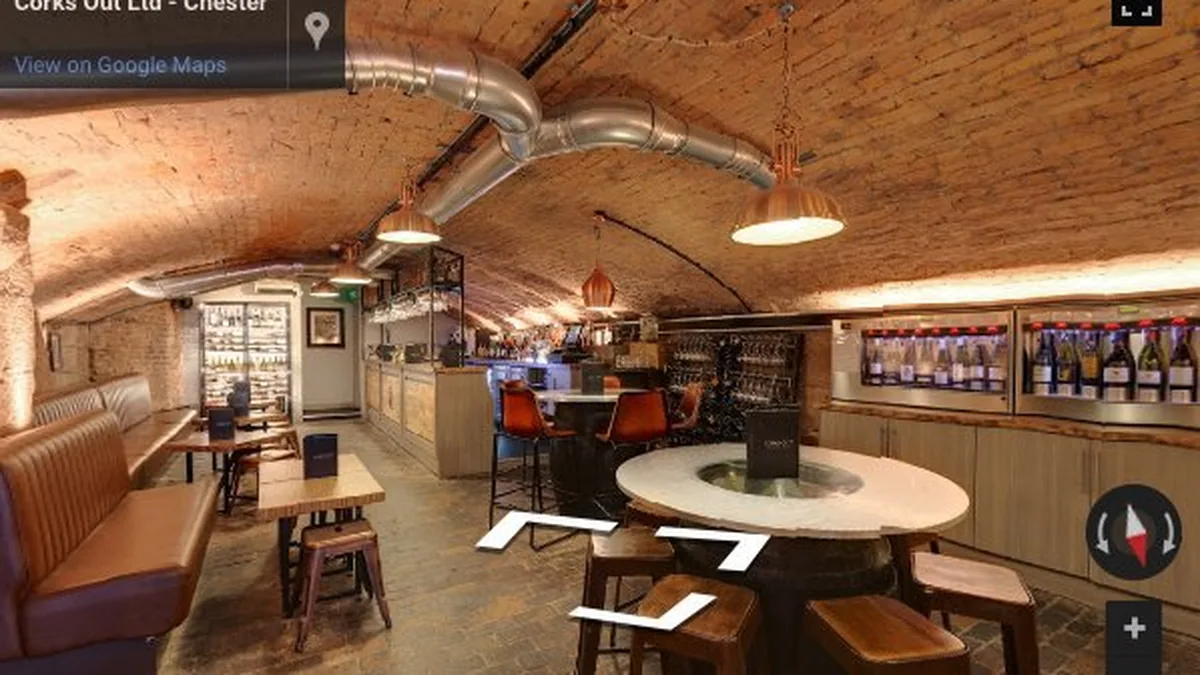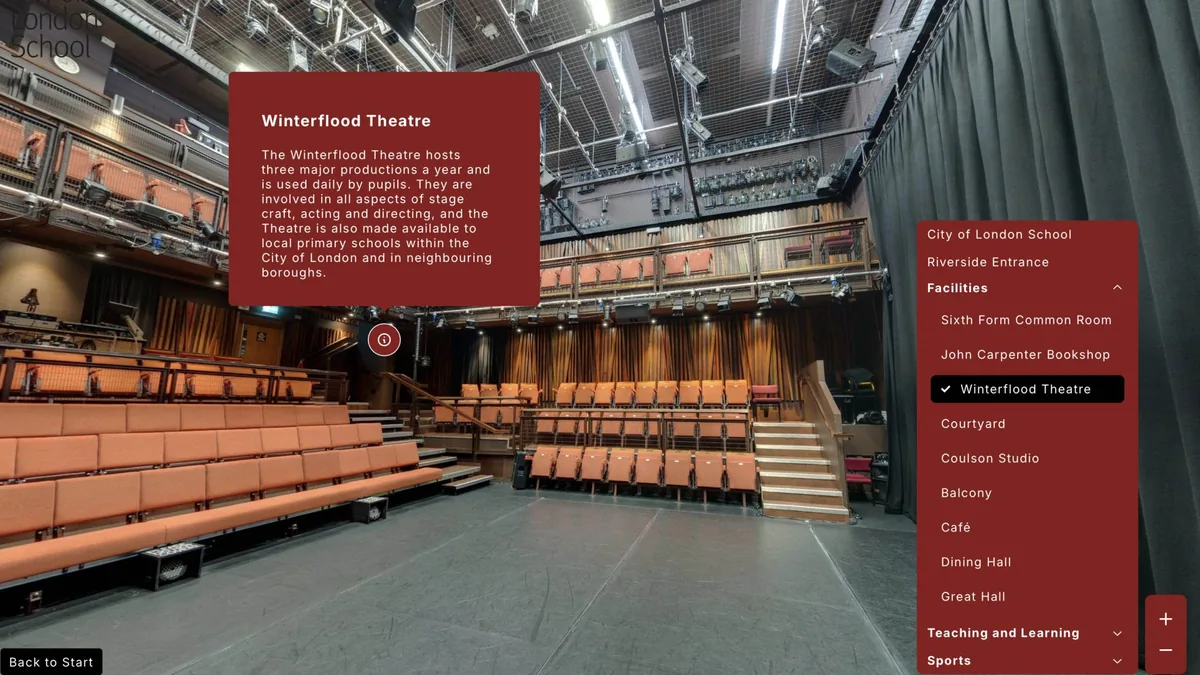
A guest scrolling through Booking.com sees eleven hotels that look almost identical: a wide shot of a bed, a bathroom, a breakfast buffet. Nothing in those photos tells them whether your rooms are actually generous or whether the "garden view" is a car park with a shrub, so they filter by price and you lose a booking you should have won.
A virtual tour changes that conversation, because a guest who has walked through the room before arriving is a guest who has already decided. And when that tour lives on your own website rather than an OTA listing, it becomes a reason to book direct and hand over no commission at all.
01Why Hotels Get More From a Tour Than Almost Anyone
Most businesses use a virtual tour to prove they exist and look professional. Hotels use one to answer a much more specific question, which is "will I be comfortable here for three nights?" That question is almost impossible to answer from a gallery of disconnected photographs.
Photos hide the layout, and layout is what guests worry about. A photo of a bedroom tells a guest what the bed looks like. It does not tell them whether the bathroom is en suite, whether there is anywhere to put a suitcase, whether the second bedroom in the family room is separated by a door or a curtain, or how far the room is from the lift. I have lost count of the number of hotel enquiries that are really just someone trying to work out the geography of a room.
Direct bookings are worth substantially more than OTA bookings. Every booking that arrives through an OTA costs you commission, typically a meaningful slice of the room rate. Your own website is the only channel where you control the presentation completely, and a tour is one of the few things you can put there that the OTA listing cannot replicate. Guests routinely find a hotel on an OTA, then visit the hotel's own site to check it out properly. That visit is your chance to convert them directly, and it is the single strongest commercial argument for a tour.
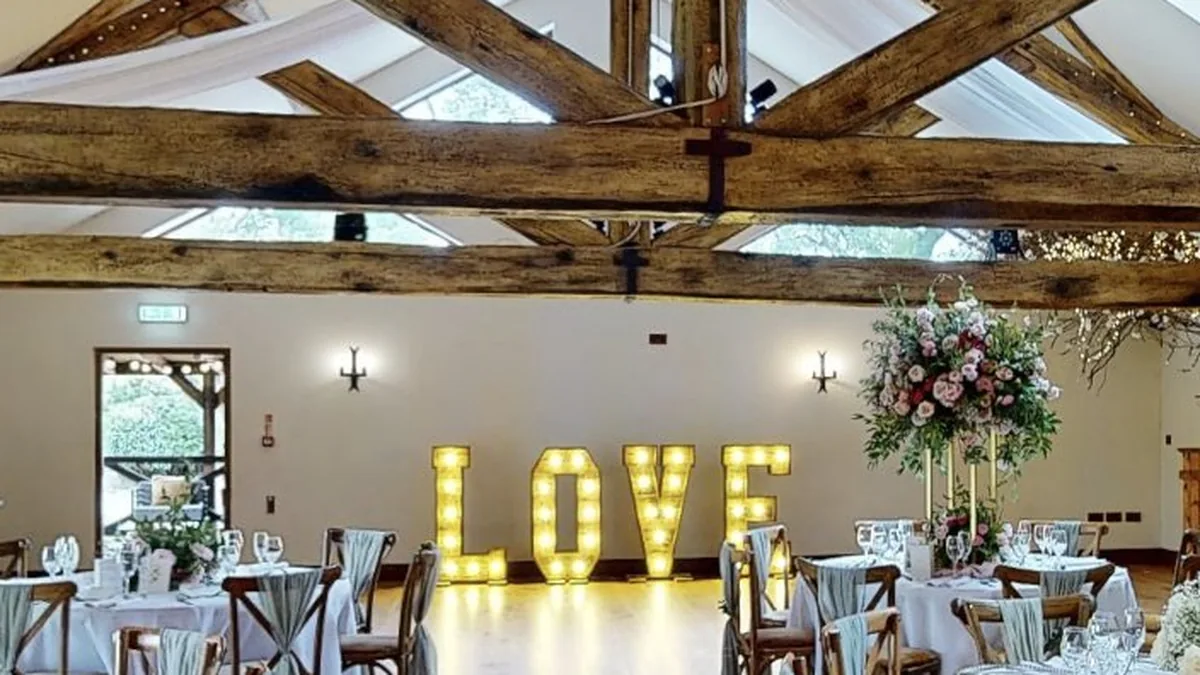
Group and event enquiries are qualified before they reach you. If you sell function space, you already know how much time goes into answering questions about capacity, layout and whether the room can be split. A tour of your event spaces means the enquiries that reach you are from people who have seen the room and want it.
02Which Rooms and Spaces Actually Need Capturing
You do not need to scan all forty bedrooms. What works is capturing one strong example of each room type, then the public spaces that make the property feel like somewhere worth staying.
In practice that means a standard double, a family room and a suite, so a guest can see exactly what the price difference buys them. Then reception and lounge, the bar and restaurant, the breakfast room, any spa or pool or gym, and the function or event spaces. If you have grounds, a terrace or a courtyard worth seeing, those matter too, particularly for weddings and summer bookings.
For most hotels I recommend a Matterport scan of your rooms and public spaces, because the format handles connected interiors well. A guest can move from reception into the bar and through to the restaurant in one continuous walkthrough, and the floor plan view that comes with it is genuinely useful for anyone booking event space. If you want something fully branded that sits inside your own site design, a fully branded tour for the hotel website is the alternative, with no ongoing platform fees. The honest answer on format depends on whether you value the 3D walkthrough or the branding more, and I have written a full breakdown of which tour format suits a hotel if you want to weigh it up properly.
03Where the Tour Actually Lives
A tour that sits on a page nobody visits is a waste of money. The places it earns its keep are specific.
The room type pages on your booking engine are the most valuable spot, because that is where a guest is choosing between a standard and a superior and hesitating over the upgrade. Embedding the tour next to the room description regularly nudges that decision. Your homepage hero or an "explore the hotel" page works for guests still deciding whether to consider you at all. A weddings and events page with the function rooms embedded reduces the number of speculative site visits your events team has to host. Your Google Business Profile can carry the tour link so it appears when someone searches your name. And it belongs in enquiry replies, because sending a walkthrough link in response to a group enquiry is far more persuasive than attaching a PDF.
One practical note: guests who open a tour tend to stay on the page much longer than guests who scroll a photo gallery. That extra time on site is not a vanity metric, it is the difference between a guest who books and one who goes back to the search results.
04Shoot Day, Realistically
A hotel shoot needs a bit of planning that a house does not. Rooms have to be made up to a genuinely high standard, which usually means working with your housekeeping team on the morning rather than turning up and hoping.
Public spaces are the tricky part, because a scan cannot include moving people. In practice I photograph the bar, restaurant and reception either early in the morning before service or during a quiet window that we agree in advance. Guests appearing in a tour is both a data protection problem and a quality problem, so it is worth blocking out a proper slot rather than trying to squeeze it between check-outs.
Lighting matters more in hotels than most sectors. I shoot with your lamps and feature lighting on, because that warm, layered light is exactly the atmosphere you sell, and a room lit only by daylight can read as clinical. If your restaurant looks its best in the evening, we shoot the restaurant in the evening.
Most hotels also want stills from the same visit for their website, OTA listings and press use. That is worth combining, because hotel photography and a scan on the same day works out considerably cheaper than booking two separate visits, and the tour and the stills then match each other rather than looking like they came from different years.
05What It Costs
A tour of a hotel depends on the number of room types and public spaces rather than the size of the building, and adding a scan to a photography shoot is much cheaper than commissioning it on its own. Rather than repeat the numbers here, I keep them all in one place: see what a tour actually costs for a full breakdown, or the full range of virtual tour options if you want to see the formats side by side first.
06The Honest Caveat
A tour will not rescue tired rooms. It shows a property as it genuinely is, which is exactly why guests trust it, and that cuts both ways. If your bathrooms are due a refit, a walkthrough will make that obvious. In that situation I would either shoot after the refurbishment or focus the tour on the spaces that are genuinely strong. It is worth being honest with yourself about this before booking, and I am happy to give you a straight opinion when I see the property.
I photograph and scan hotels, inns and B&Bs across Somerset, Bristol and Bath, and travel UK-wide for hospitality work. If you would like to talk through what a tour of your property would involve, get in touch or call me on 07545 450543.