01Why Showroom Photography Demands a Specialist Approach
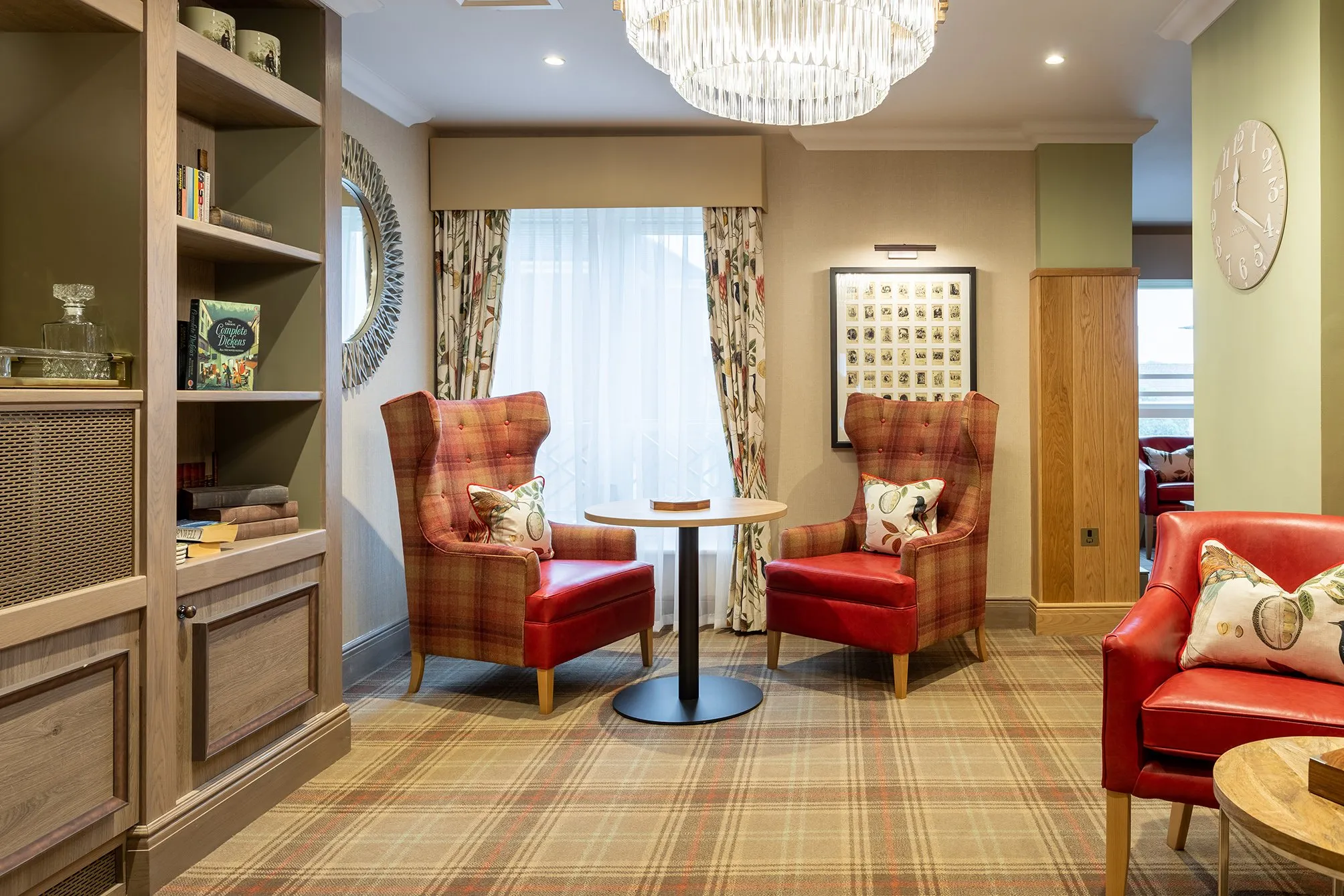
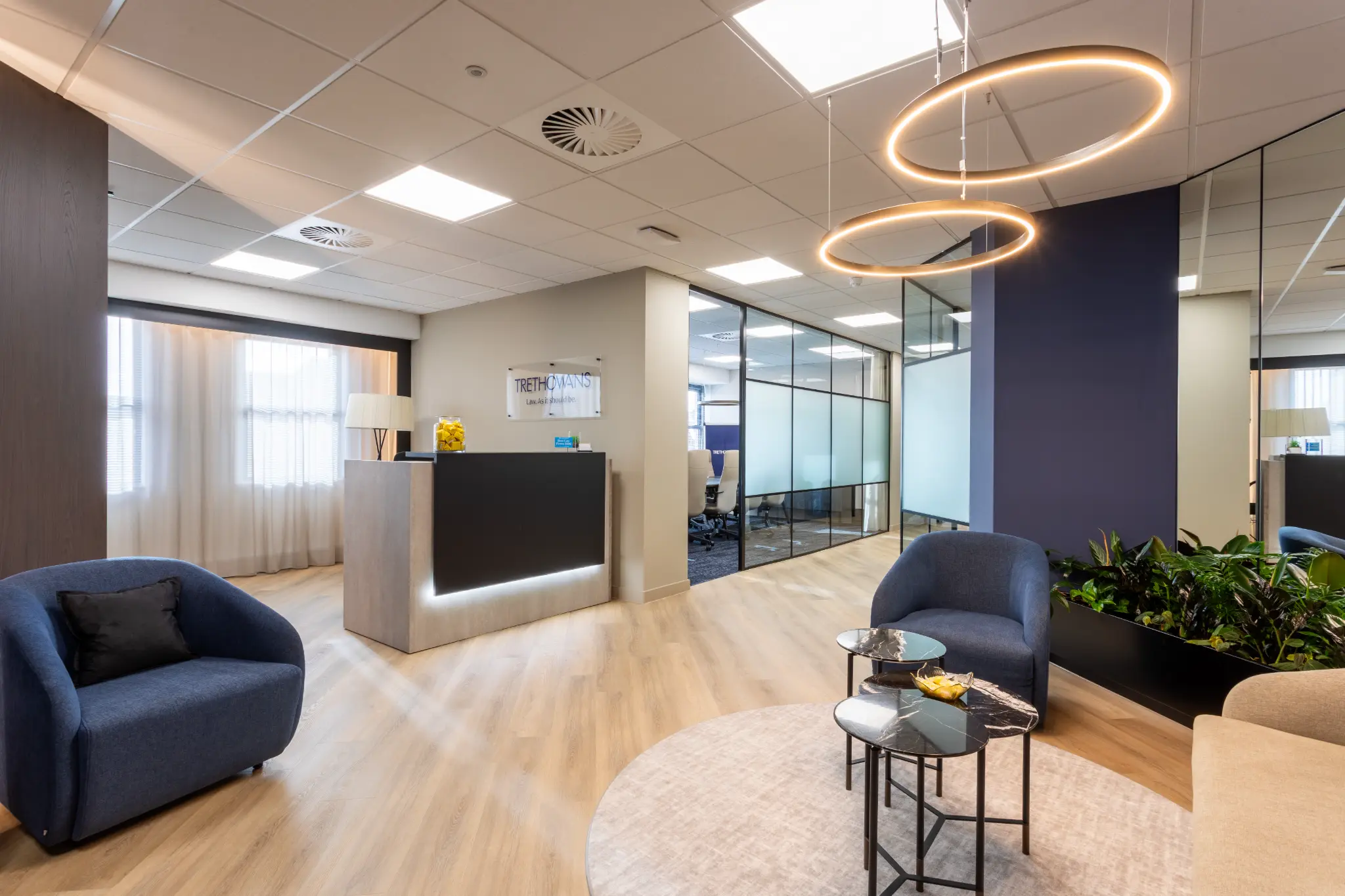
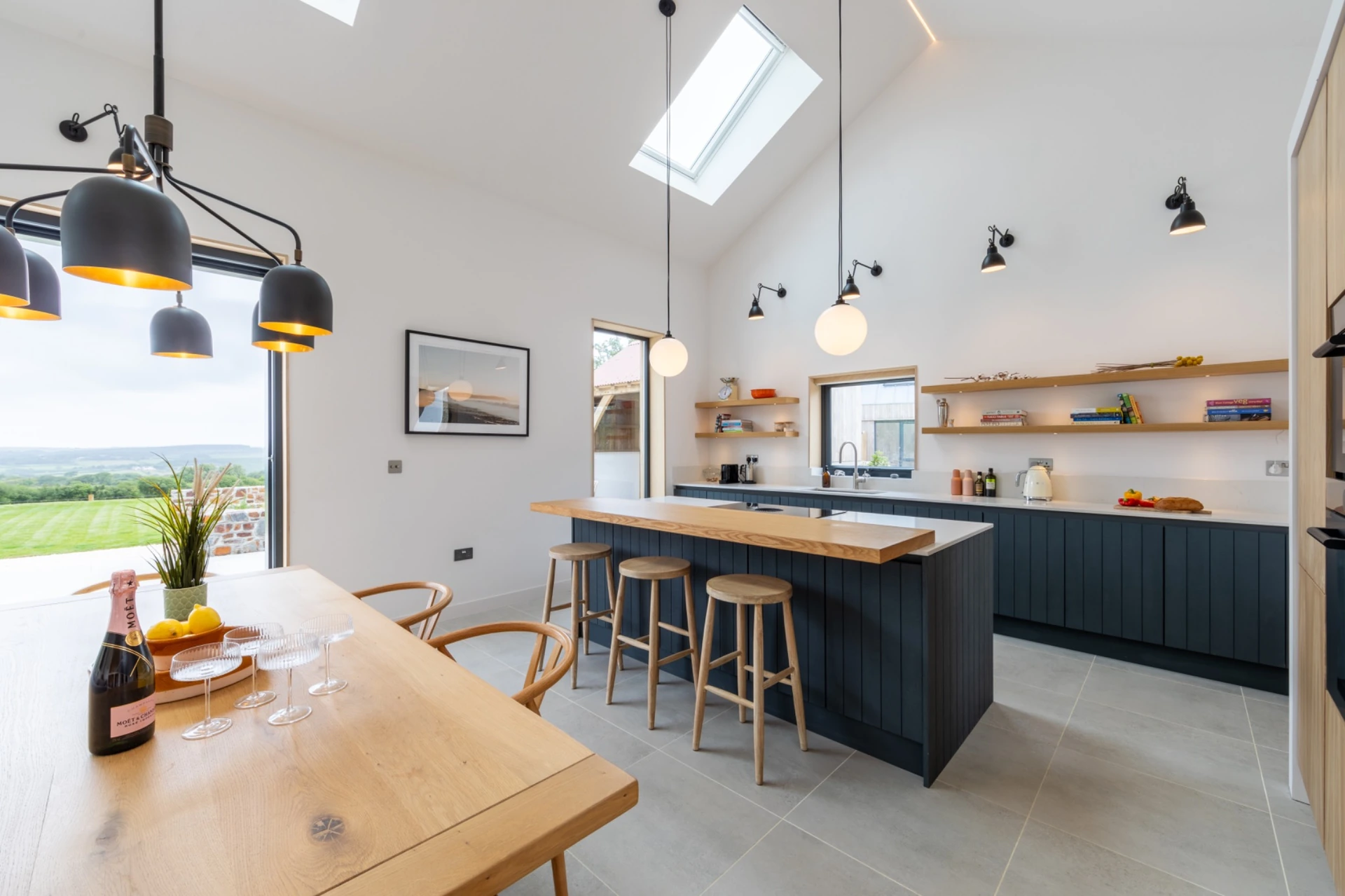
Showroom photography is one of the most technically demanding forms of commercial photography. You're working with large, open spaces that need to feel intimate. You're managing reflective surfaces, mixed materials, and carefully designed lighting schemes that look perfect to the eye but challenge a camera sensor. And you're trying to capture the brand experience, not just the products.
The best showroom photography makes the viewer feel like they're standing in the space. It communicates quality, design intent, and brand personality in a single frame. That requires an understanding of both interior photography technique and commercial brand communication.
02The egoitaliano Flagship Shoot
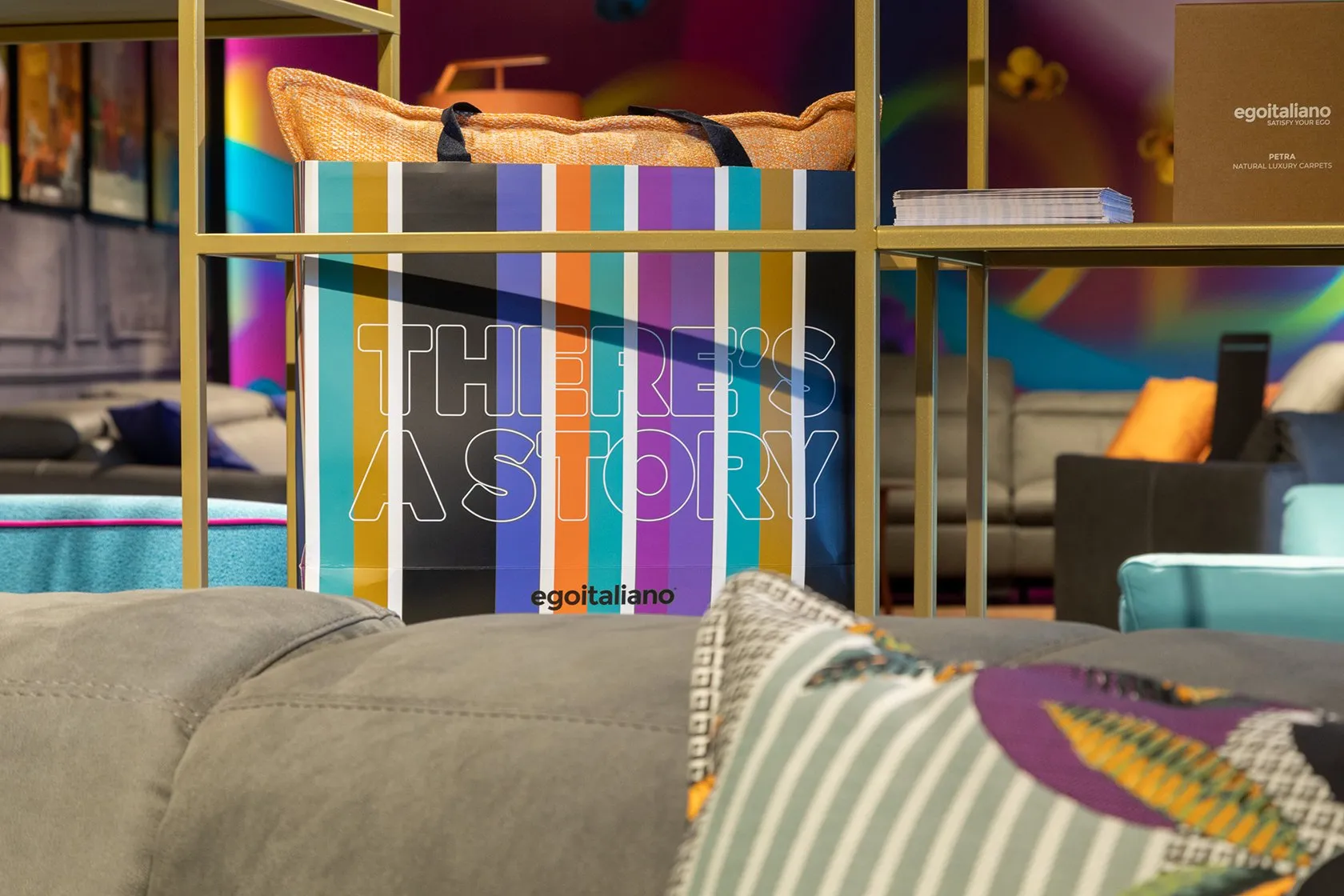
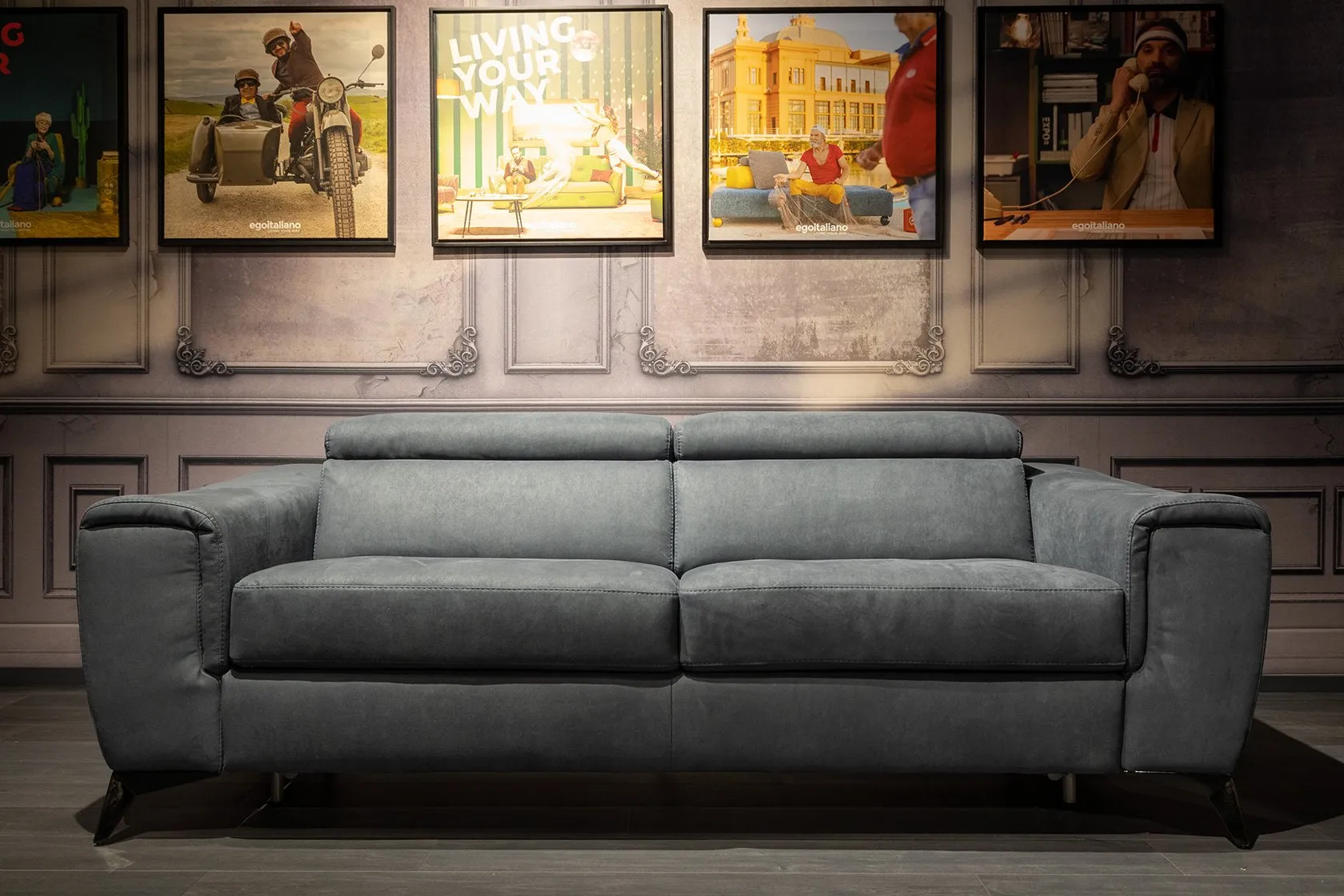
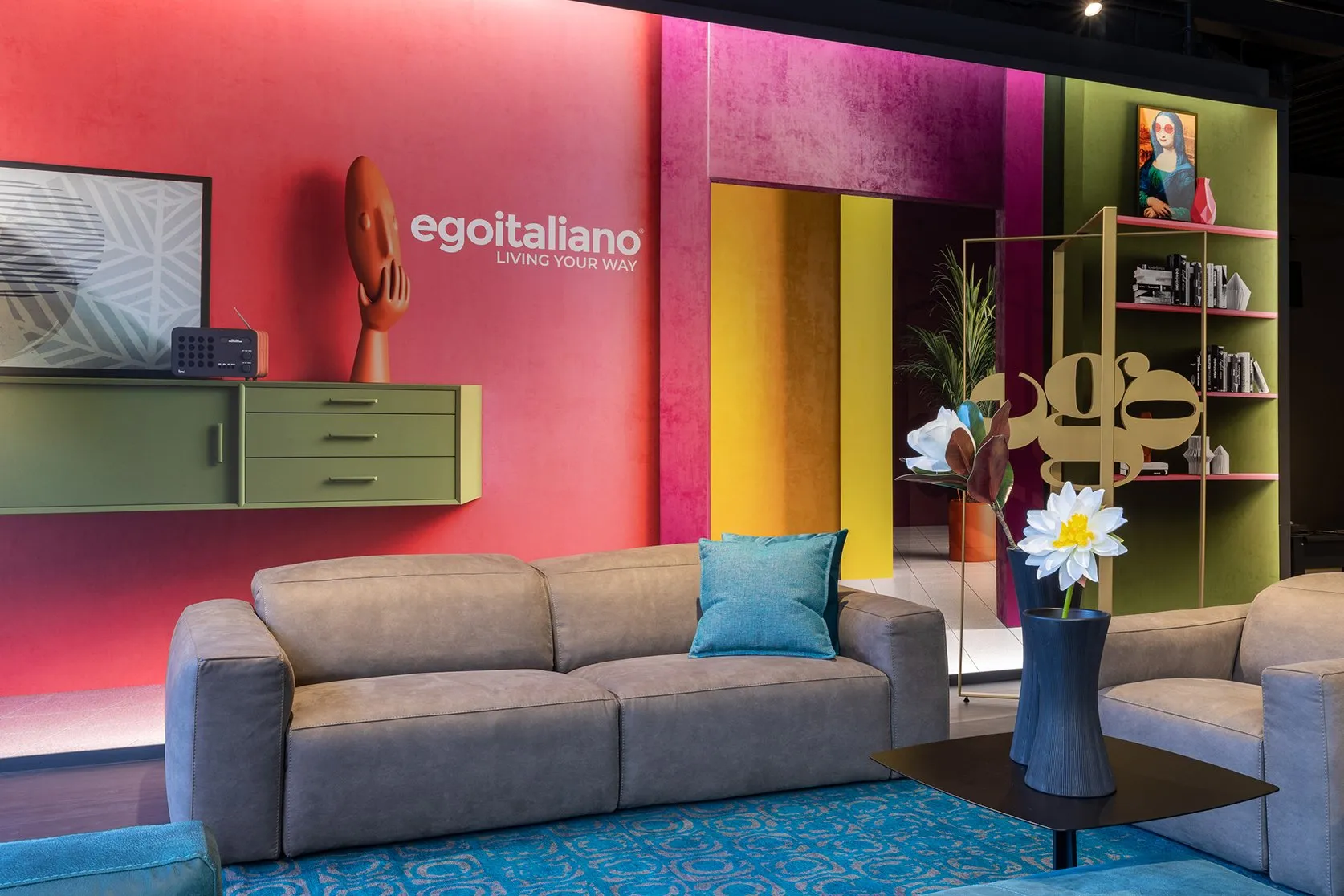
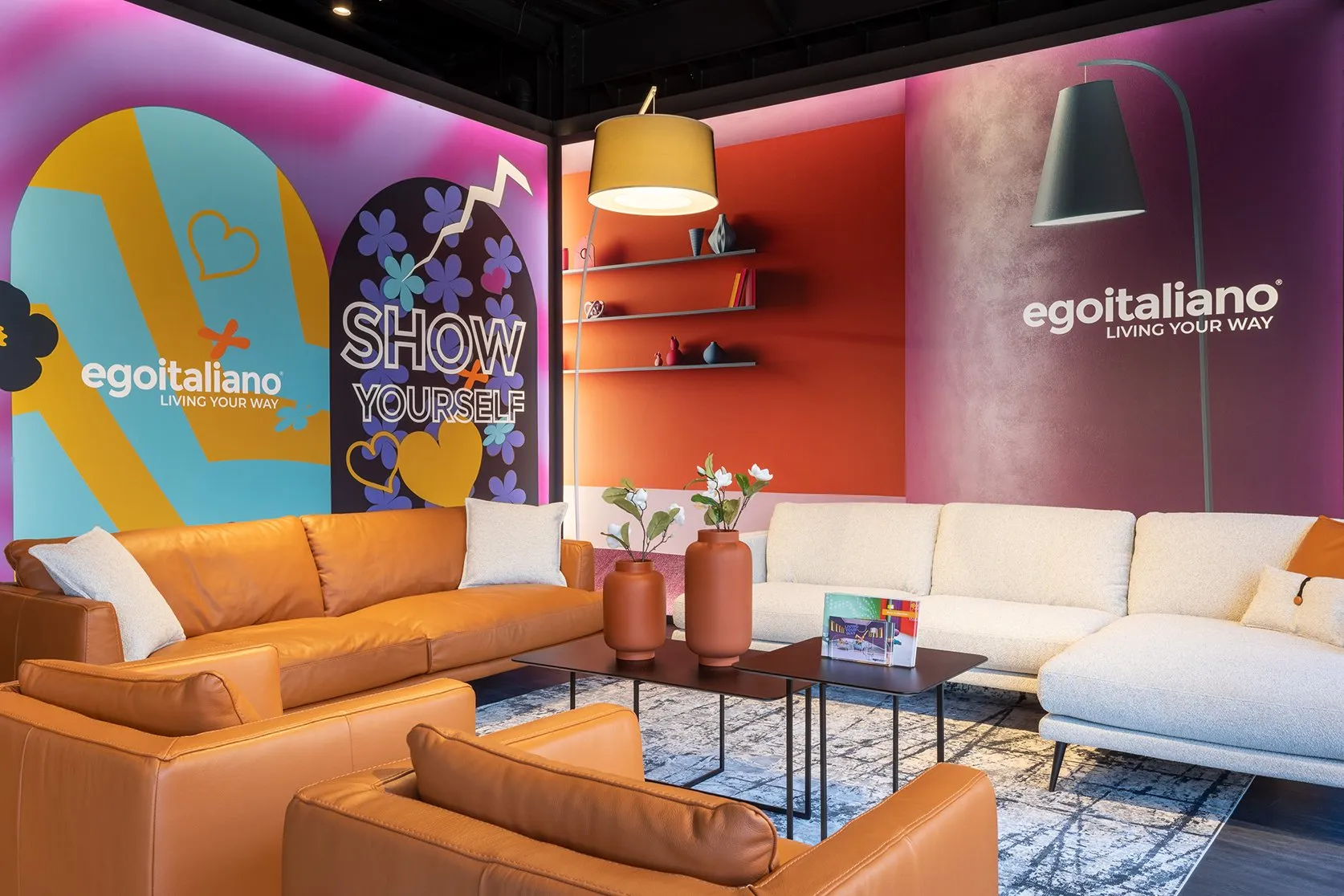
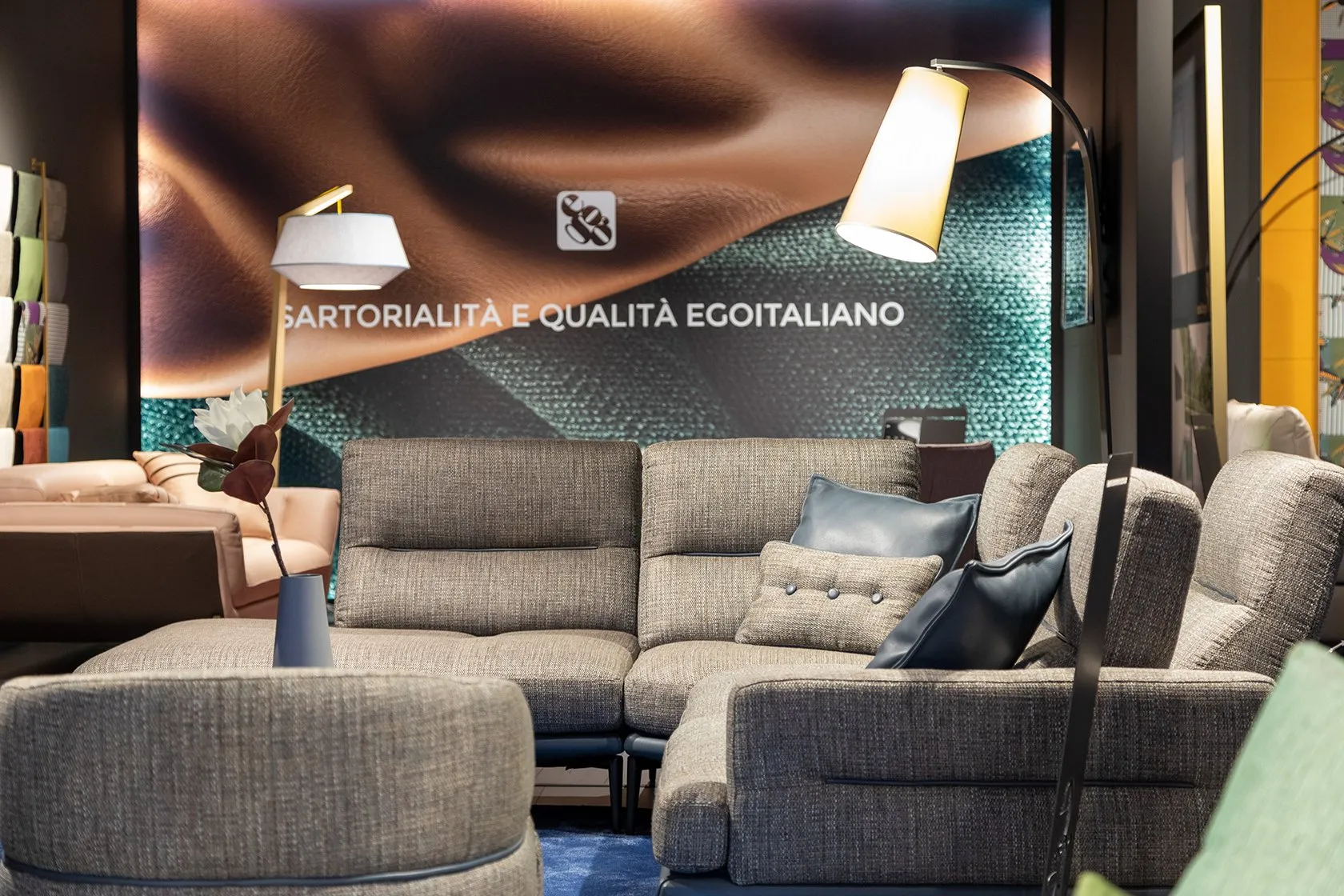
When I photographed egoitaliano's flagship showroom, the brief was to capture the full brand experience. egoitaliano is a high-end Italian furniture brand known for bold colour, premium materials, and confident design. Their showroom isn't just a retail space, it's a brand statement.
The challenge was translating that energy into still images. The showroom uses dramatic lighting, saturated colour zones, and carefully curated vignettes that change character as you move through the space. Each zone tells a different story, from the theatrical entrance to the intimate material libraries.
03Technical Challenges in Showroom Photography
Showrooms present a unique set of technical problems:
Mixed lighting — most showrooms combine spotlights, ambient lighting, feature lighting, and natural light from windows. Balancing these to look natural while maintaining accurate colour rendition requires HDR techniques and careful white balance management.
Reflective surfaces — glass, polished metal, lacquered finishes, and mirrors are everywhere in luxury showrooms. Managing reflections without losing the sense of quality these materials convey is a constant balancing act.
Scale and composition — showrooms are designed to be experienced in motion. Translating a three-dimensional, walkthrough experience into compelling two-dimensional images means finding compositions that convey depth, scale, and flow.
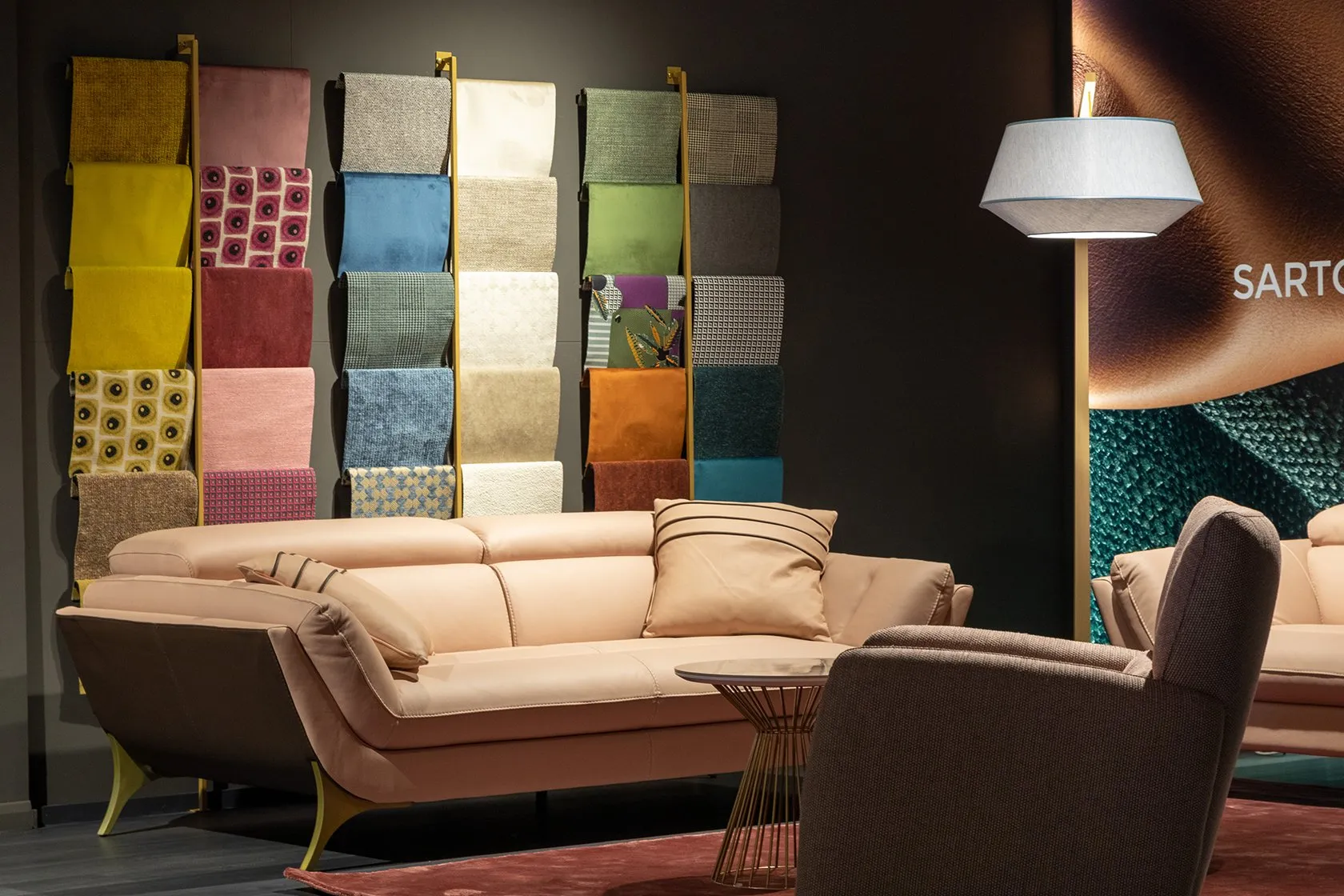
Colour accuracy — for furniture brands especially, colour accuracy is non-negotiable. A sofa that appears terracotta in the image but arrives in burnt orange will generate returns and damage trust. I shoot with calibrated equipment and process with colour accuracy as a priority.
04What Makes Great Showroom Photography
The difference between adequate showroom photography and exceptional showroom photography comes down to three things:
Understanding the brand — before I shoot, I spend time understanding the brand positioning, target customer, and design philosophy. This informs every decision from composition to colour grading.
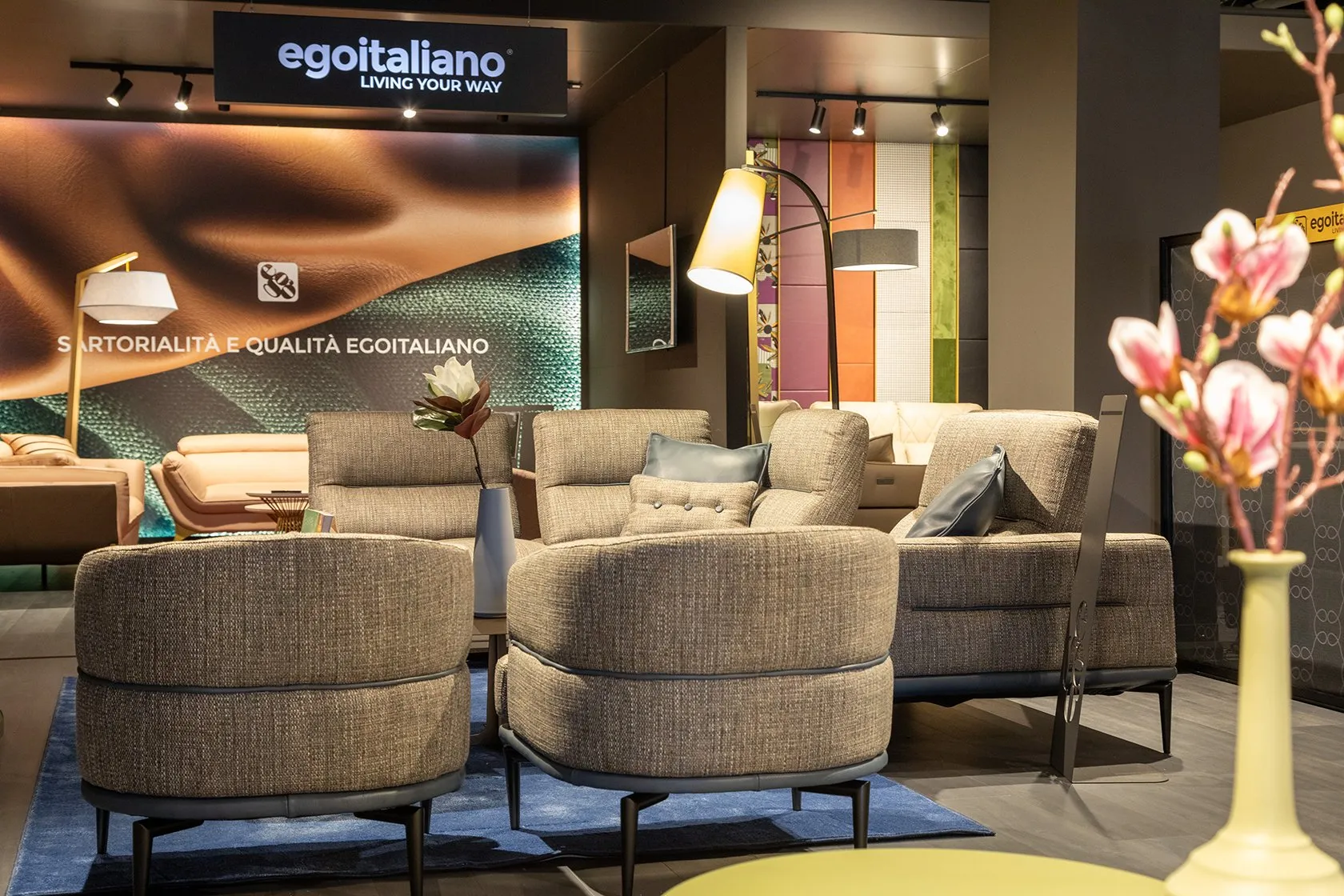
Shooting the experience, not just the products — individual product shots have their place, but showroom photography should capture the atmosphere and lifestyle the brand is selling. Wide environmental shots, detail textures, and carefully composed vignettes all work together.
Delivering versatile assets — the images need to work across websites, social media, print catalogues, trade press, and point-of-sale materials. That means delivering a mix of orientations, crops, and compositions that serve every channel.
05Who Needs Showroom Photography
Showroom photography isn't limited to furniture brands. Any business with a physical retail or display space benefits from professional imagery:
- Furniture and interior design brands — flagship stores, trade showrooms, and design centres
- Kitchen and bathroom showrooms — where the quality of materials and finish needs to be communicated visually
- Car dealerships — where the showroom environment reinforces the brand premium
- Technology and electronics — experience centres and flagship retail spaces
- Fashion and lifestyle — concept stores and brand spaces
If your showroom is designed to impress in person, it deserves photography that impresses online. Professional commercial photography ensures your digital presence matches the quality of your physical space.
06FAQ
How do you handle showroom lighting without disrupting the design?
I work with the existing lighting design rather than fighting it. Showroom lighting is carefully considered by the interior designers, so I use HDR techniques and supplementary fill where needed to balance exposures while preserving the intended atmosphere.
Can you shoot while the showroom is open to customers?
I prefer to shoot outside trading hours when possible, as it gives full control over the space. However, I can work around customers if needed, particularly for lifestyle shots that benefit from a sense of activity.
How many images should a showroom expect from a shoot?
A typical showroom shoot delivers 30-60 final images depending on the size of the space. This covers wide establishing shots, zone-specific compositions, detail textures, and lifestyle vignettes across the full space.
Do you offer ongoing photography for seasonal changes?
Yes. Many showrooms update their displays seasonally or for new product launches. I offer retainer packages for regular shoots that keep your imagery current and your marketing fresh.
--- I provide commercial photography across Bath. Get in touch or call 07545 450543 to discuss your project.