
Choosing a care home for a parent or loved one is one of the most emotionally difficult decisions a family will make. It's often done under time pressure, with limited information, and from a distance. Many families are researching care homes in Somerset or Bristol while living in London, the Midlands, or overseas. They can't easily visit five or six homes in person before making a shortlist, and they're relying heavily on what they can see online.
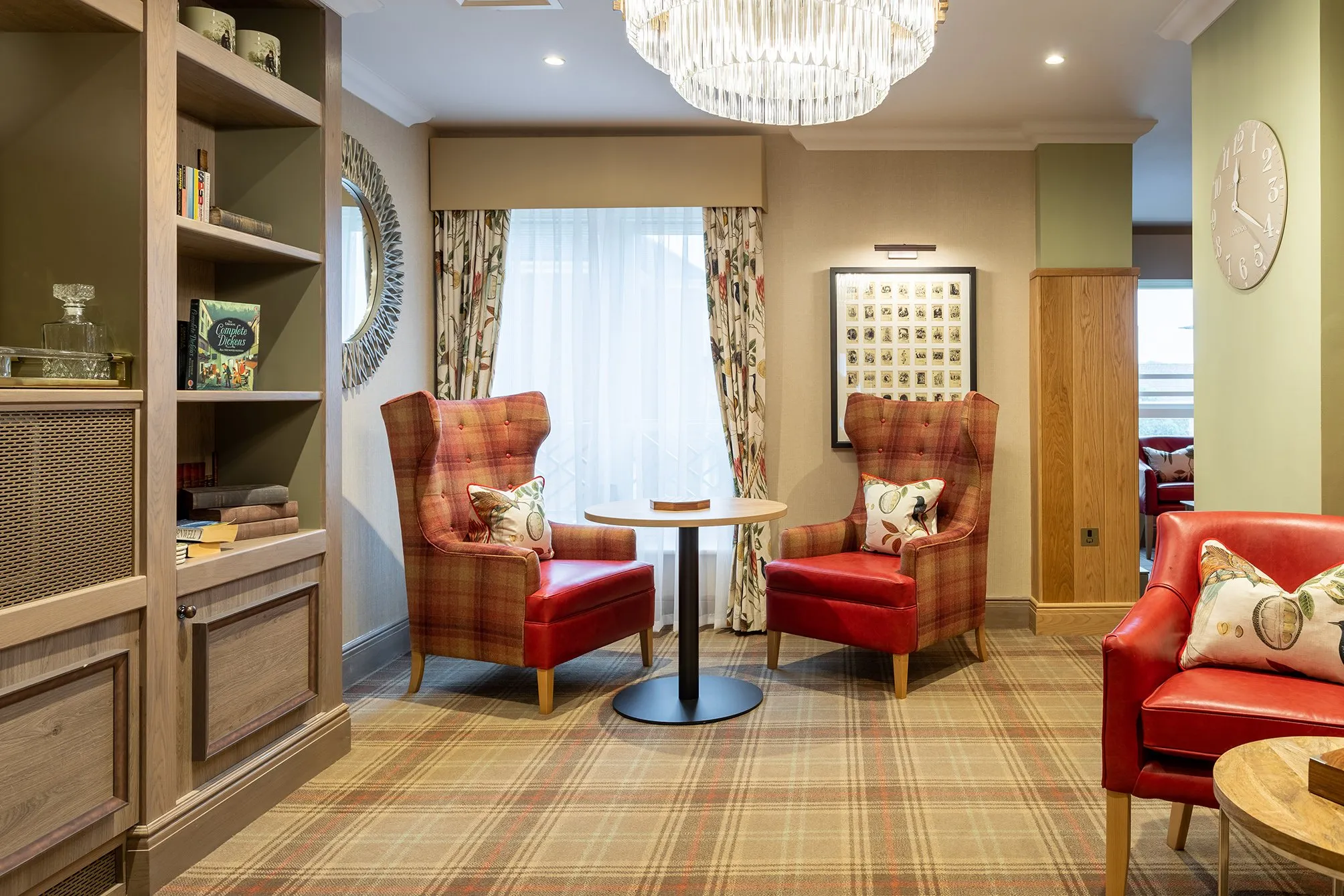
This is where a Matterport virtual tour transforms the experience. Instead of making decisions based on a handful of carefully staged photos and a brochure, families can explore your care home room by room, corridor by corridor, garden by garden. They can see the communal lounge, check the size of the bedrooms, look at the dining room, and get a genuine sense of the atmosphere and quality of the environment.
01Why Care Homes Need Virtual Tours
The care home sector faces a unique marketing challenge. Unlike a hotel or restaurant, you can't rely on impulse decisions or casual browsing. Families are making a long-term commitment on behalf of someone they love, and they need to feel confident that the environment is right before they even arrange a visit.
Traditional marketing materials, however professional, have limitations:
Photos can feel staged. Families know that the brochure photo of the lounge was taken on the best day, with fresh flowers and perfect lighting. A virtual tour shows the space as it actually is, which paradoxically builds more trust than a perfect photograph.
Brochures can't show flow and layout. How far is the nearest bathroom from the bedrooms? Is there step-free access throughout? How does the garden connect to the main building? These practical questions matter enormously to families, and a virtual tour answers them instantly.
Distance is a barrier. Many families are researching care homes in a different county from where they live. A virtual tour lets them explore thoroughly without making a 3-hour round trip for every home on their shortlist.
02How Families Use Virtual Tours
When I speak to care home managers who've added Matterport tours to their websites, they consistently report the same pattern: families who've explored the virtual tour arrive at in-person visits already feeling positive. They've seen the quality of the environment, they've checked the practical details, and they're visiting to confirm their decision rather than to start their research.
This pre-qualification is valuable for care home staff too. Instead of spending time showing families around who quickly realise the home isn't right for their needs, the visits that do happen are with families who already know the layout, the facilities, and the general standard. The conversation can focus on care plans, activities, and the personal details that matter most.
Common ways families use care home virtual tours:
Remote shortlisting. A daughter in London researching homes near her mother in Taunton can explore five care homes in an evening from her sofa, narrowing her shortlist to two or three before arranging visits.
Sharing with family members. Care decisions often involve multiple family members who can't all visit together. A virtual tour link can be shared via WhatsApp or email, letting everyone explore the home and contribute to the discussion.
Reassuring the resident. For elderly people moving into care, the transition is less daunting when they can explore their new home in advance. A virtual tour lets them see their room, the communal areas, and the garden before moving day.
Comparing options. When families are choosing between two or three homes, being able to revisit each one virtually (rather than relying on memory from a single visit) helps them make a more confident decision.
03What to Include in a Care Home Virtual Tour
A comprehensive care home virtual tour should cover:
Bedrooms — show a range of room types (single, double, en-suite, standard) so families can see the options available. Include at least one furnished room to give a sense of how personal the space can become.
Communal areas — the main lounge, dining room, activity rooms, and any specialist spaces (sensory rooms, cinema rooms, hair salons). These are the spaces where residents spend most of their time, and families want to see them in detail.
Gardens and outdoor spaces — increasingly important for families who value outdoor access. Show the full extent of the grounds, any seating areas, raised beds, or accessible pathways.
Corridors and circulation — this might seem mundane, but families often want to see the width of corridors (for wheelchair access), the quality of handrails, and the general standard of maintenance throughout the building.
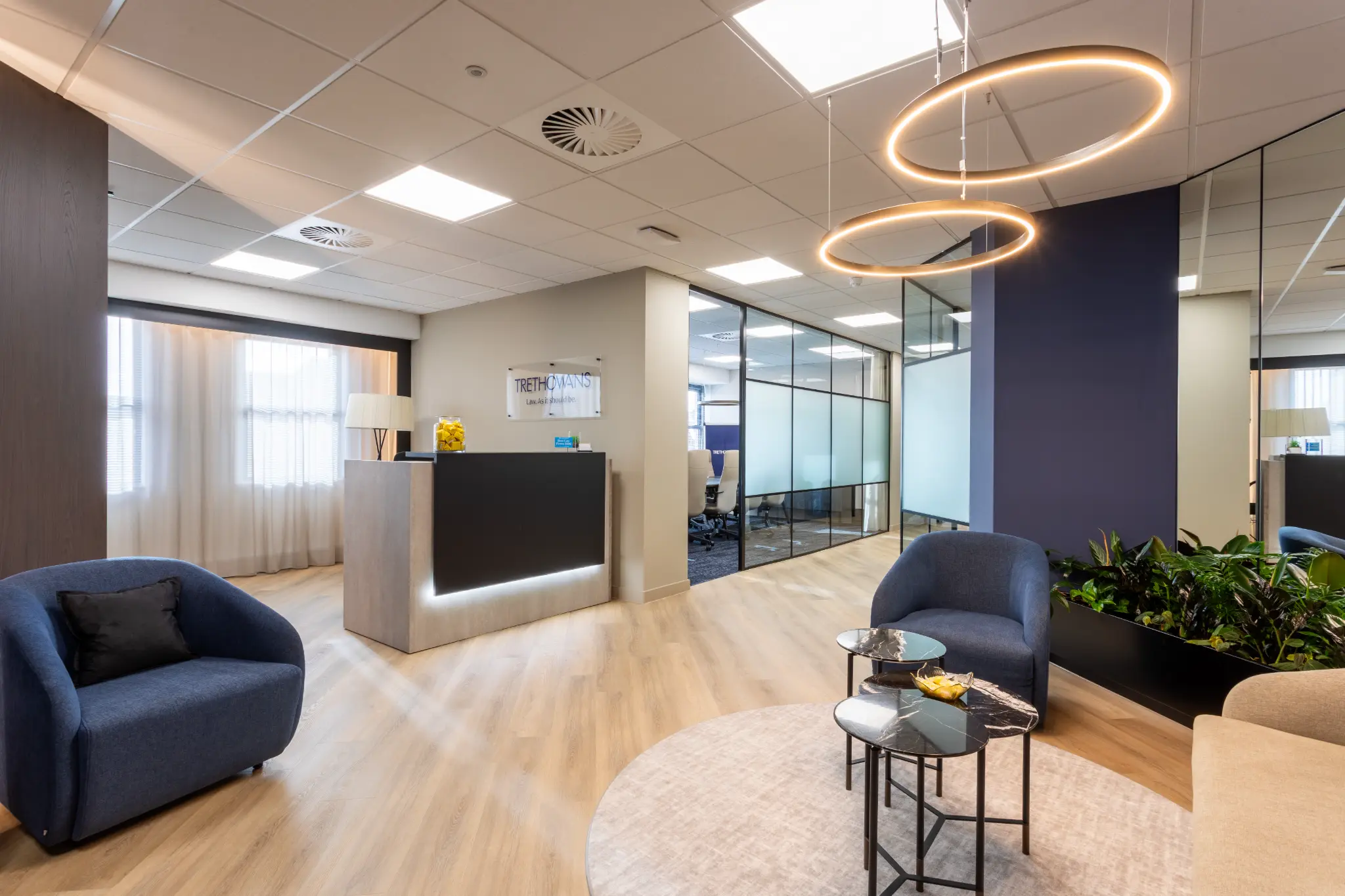
Reception and entrance — the first impression matters. Show the welcoming entrance, the reception area, and the transition from public to residential spaces.
04The Practical Details
I use the Matterport Pro 3 camera, which captures high-resolution 3D scans of each area. For a typical care home, the scanning process takes half a day to a full day depending on the size of the building and number of floors. I work around residents and staff, scanning areas when they're naturally quieter to minimise disruption.
The finished tour is delivered within 5-10 working days and includes: - A hosted Matterport link with unlimited views - An embed code for your website - Dollhouse view showing the full building layout - Interactive layout view for each level - Optional measurement tools (useful for families planning furniture)
There are no ongoing hosting fees for the first 12 months. After that, hosting is £99/year to keep the tour live, which is negligible compared to the marketing value it provides.
05The Business Case for Care Home Operators
Beyond the emotional benefit to families, virtual tours deliver measurable business value for care home operators:
Higher-quality enquiries. Families who've explored the virtual tour and then call to arrange a visit are significantly more likely to proceed. They've already self-qualified based on the environment, location, and standard.
Reduced staff time on tours. While in-person visits remain essential, the virtual tour handles the initial exploration stage. Staff spend less time on tours that don't convert and more time with families who are genuinely interested.
Competitive differentiation. In areas where multiple care homes compete for the same families, a virtual tour signals transparency and confidence in your environment. It says "we have nothing to hide."
Recruitment tool. Care homes also use virtual tours for staff recruitment, letting potential employees see the working environment before interview. This is particularly useful for attracting staff from outside the immediate area.
CQC and compliance. Some care homes use their Matterport tour as a reference document for maintenance planning, showing the condition of the building at a specific point in time. While not a formal compliance tool, it provides useful visual documentation.
06Coverage and Pricing
I work with care homes across Somerset, Bristol, Bath, and nationwide for larger groups. Recent care home projects have taken me to Berkshire, Wiltshire, and across the South West.
Pricing for care home virtual tours depends on the size of the building and is quoted on a per-project basis. For a typical 40-60 bed care home, expect the scan to take most of a day, with the finished tour delivered within 5-10 working days.
If you manage multiple homes within a group, I offer package rates for scanning several locations. Get in touch to discuss your requirements.
I provide Matterport virtual tours for care homes and commercial spaces across the UK. If you'd like to discuss how a virtual tour could help families choose your care home with confidence, get in touch or call 07545 450543.