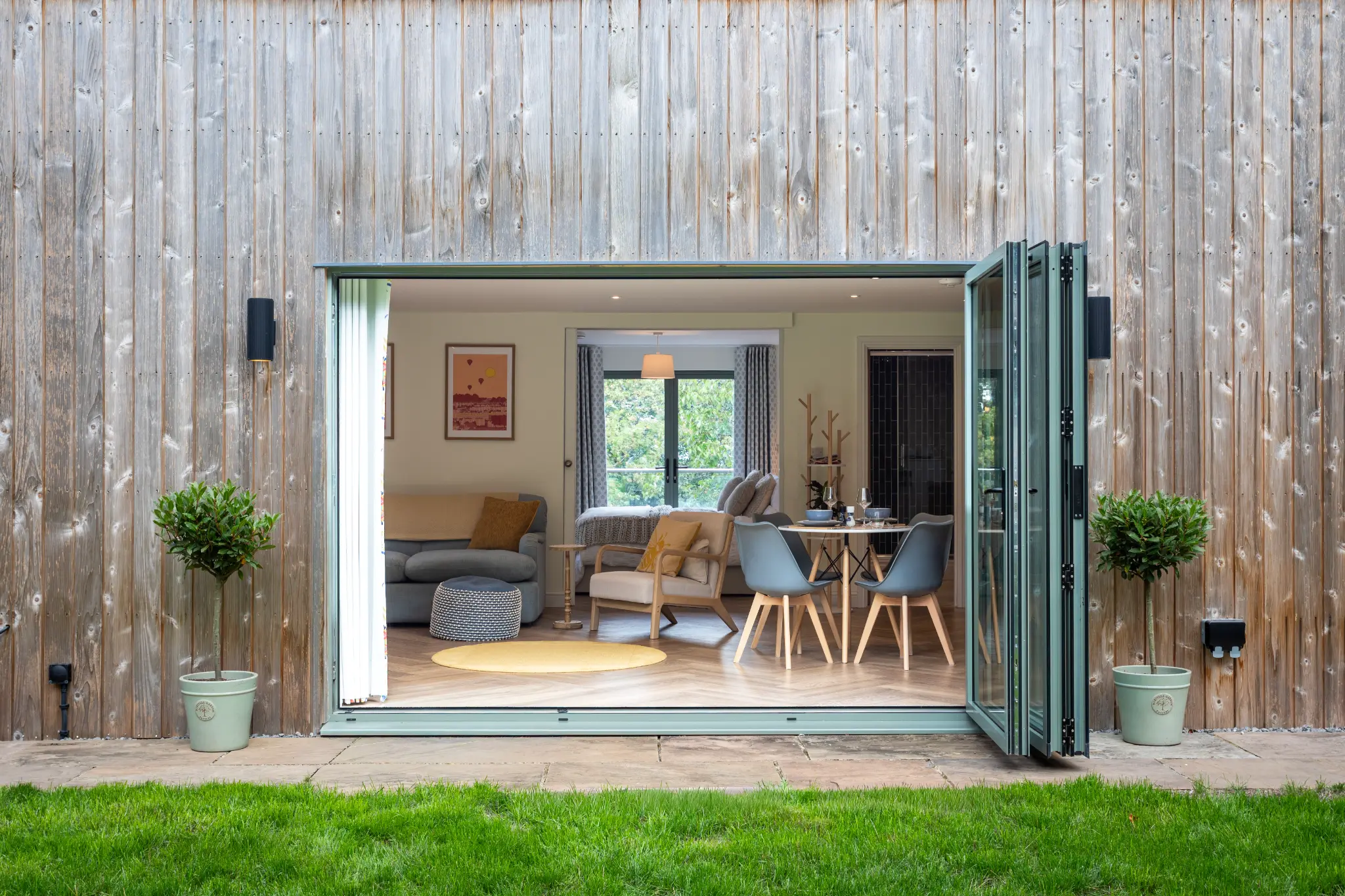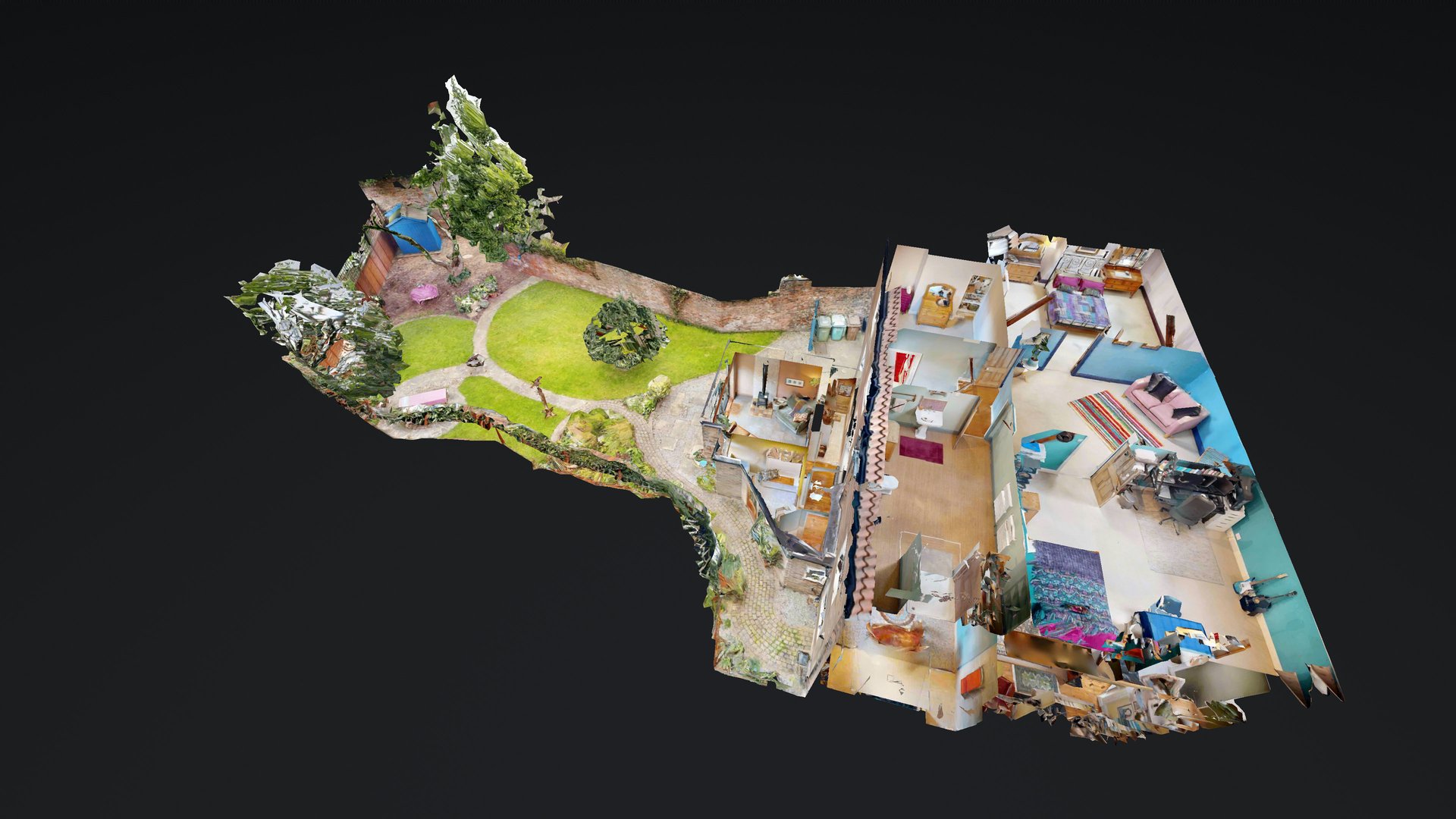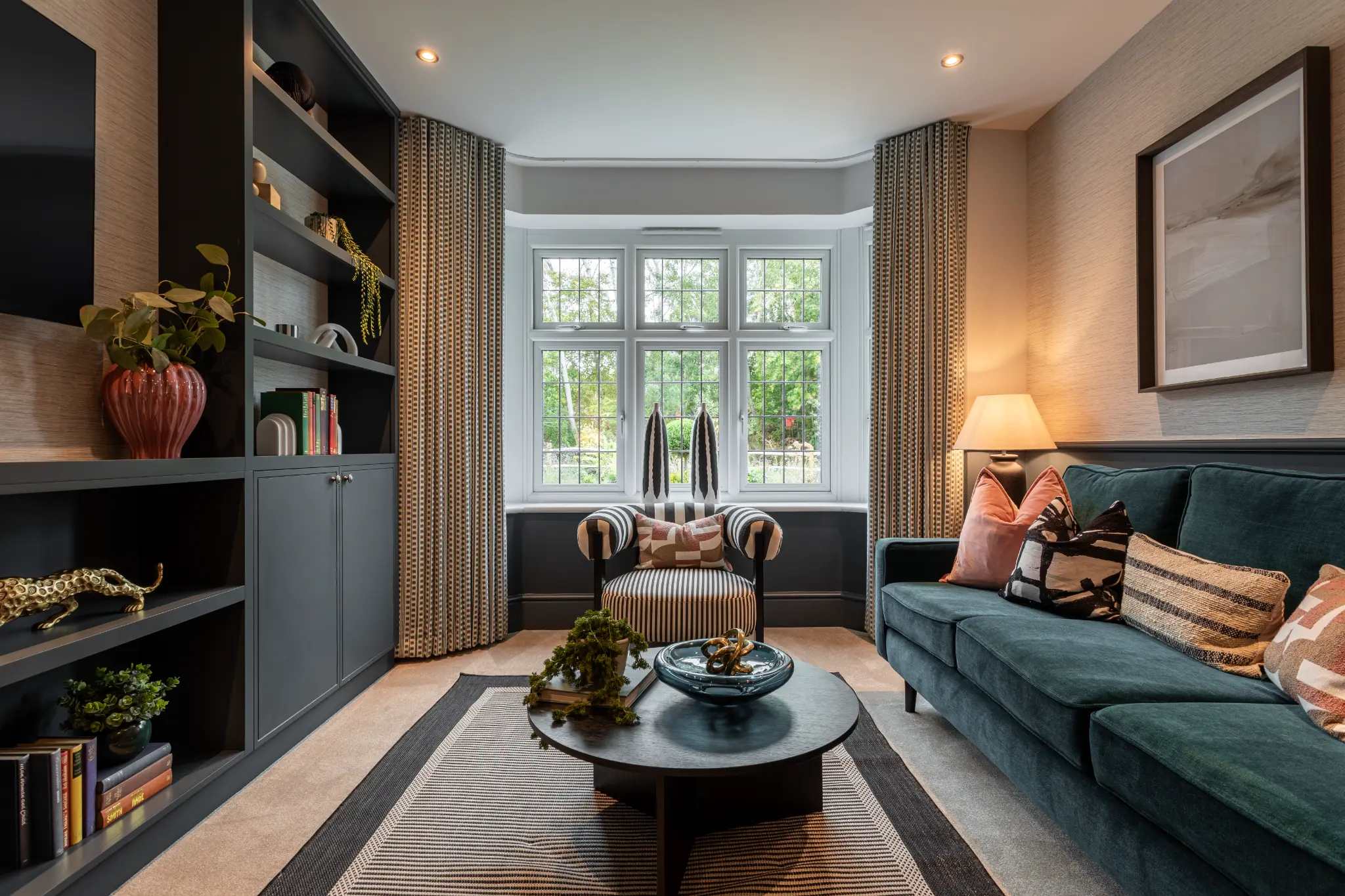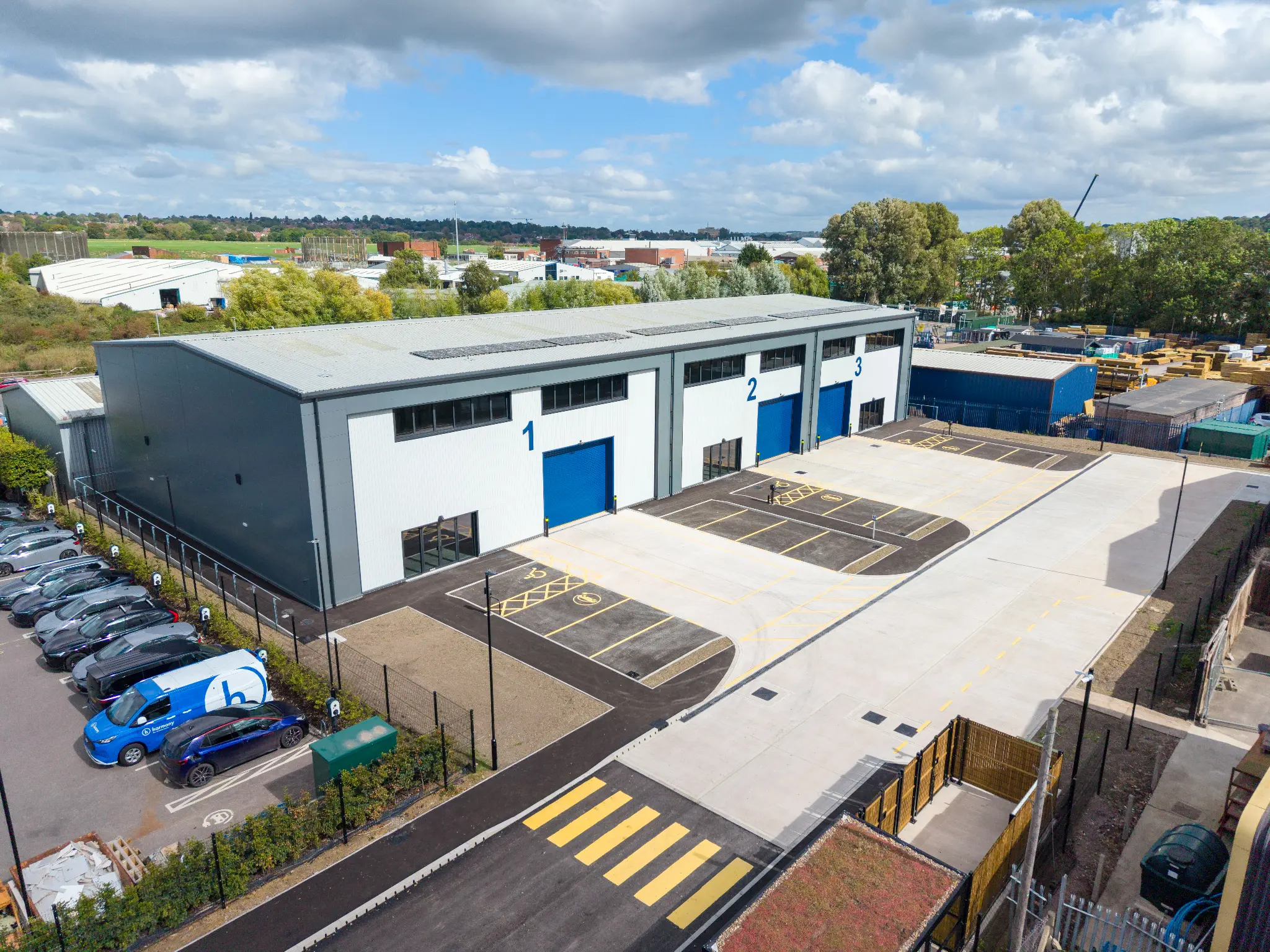
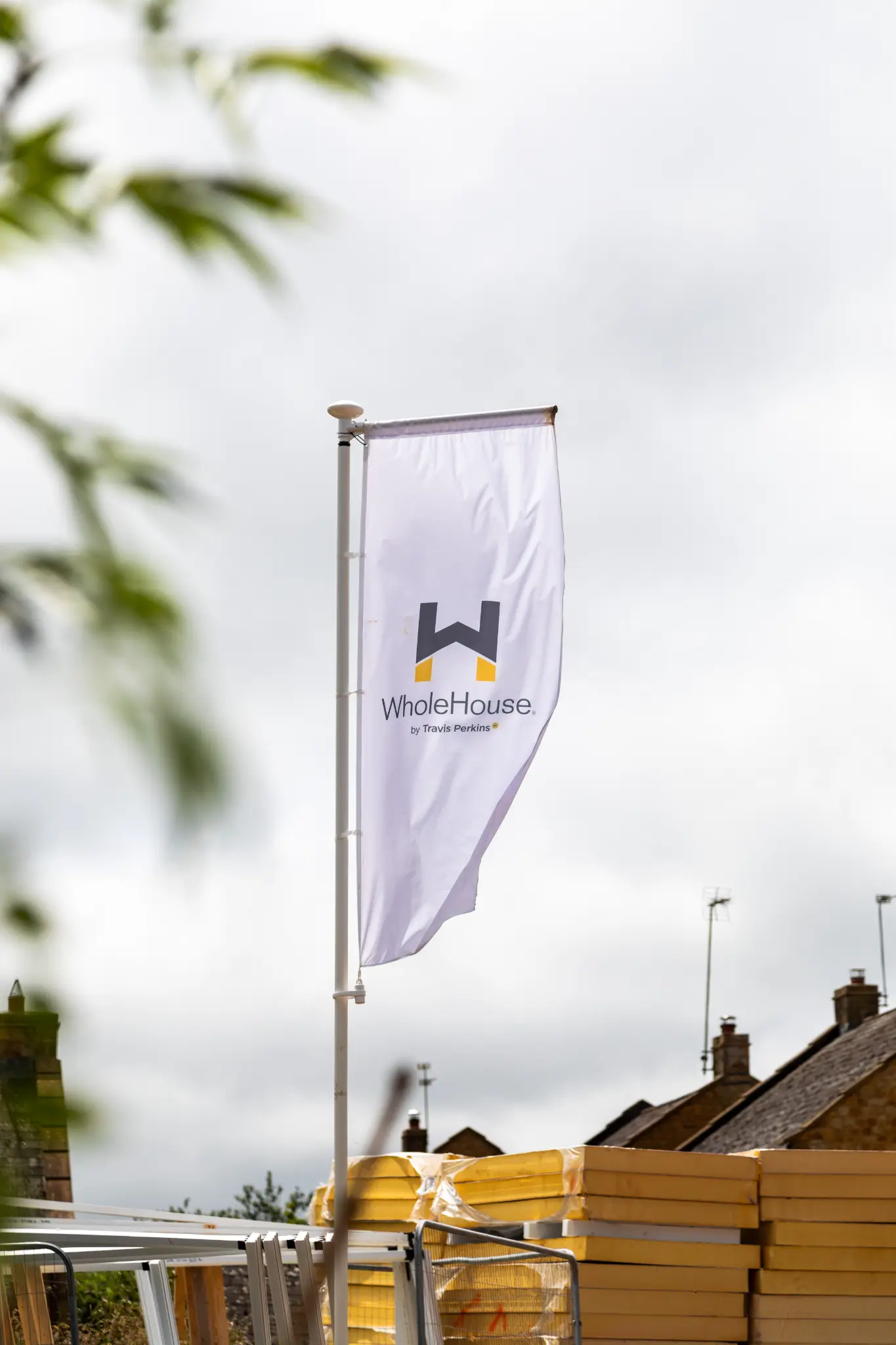
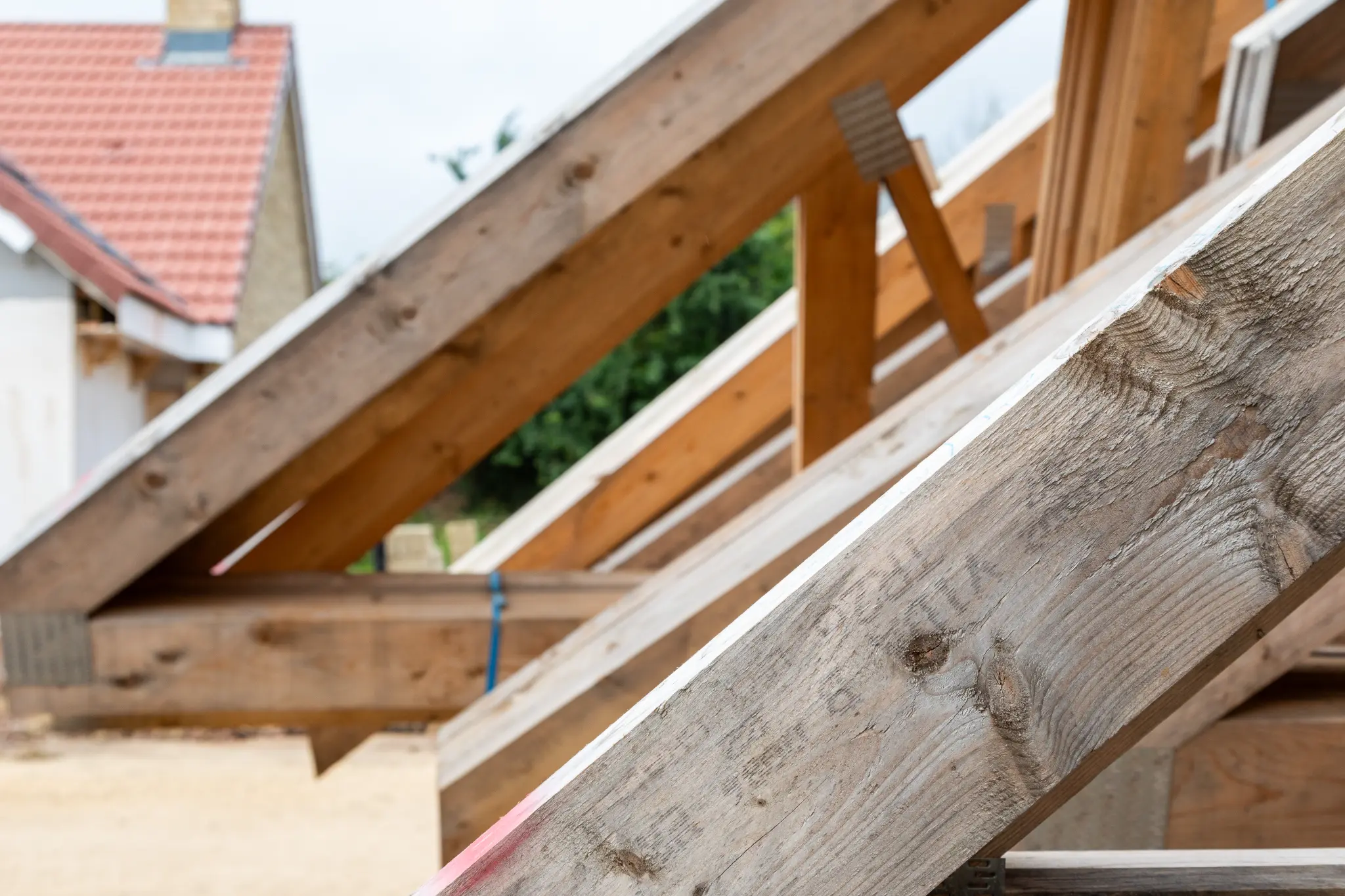
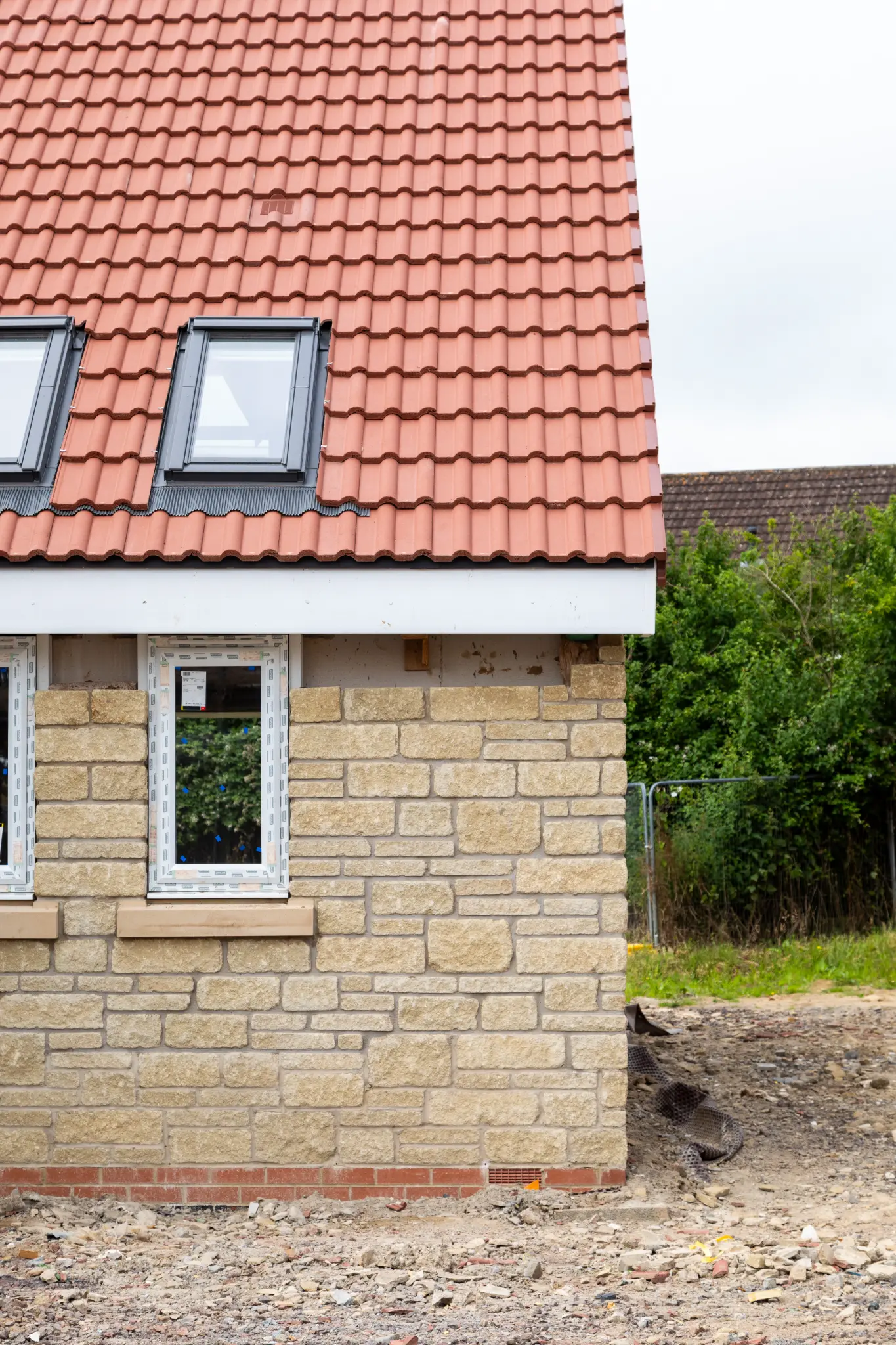
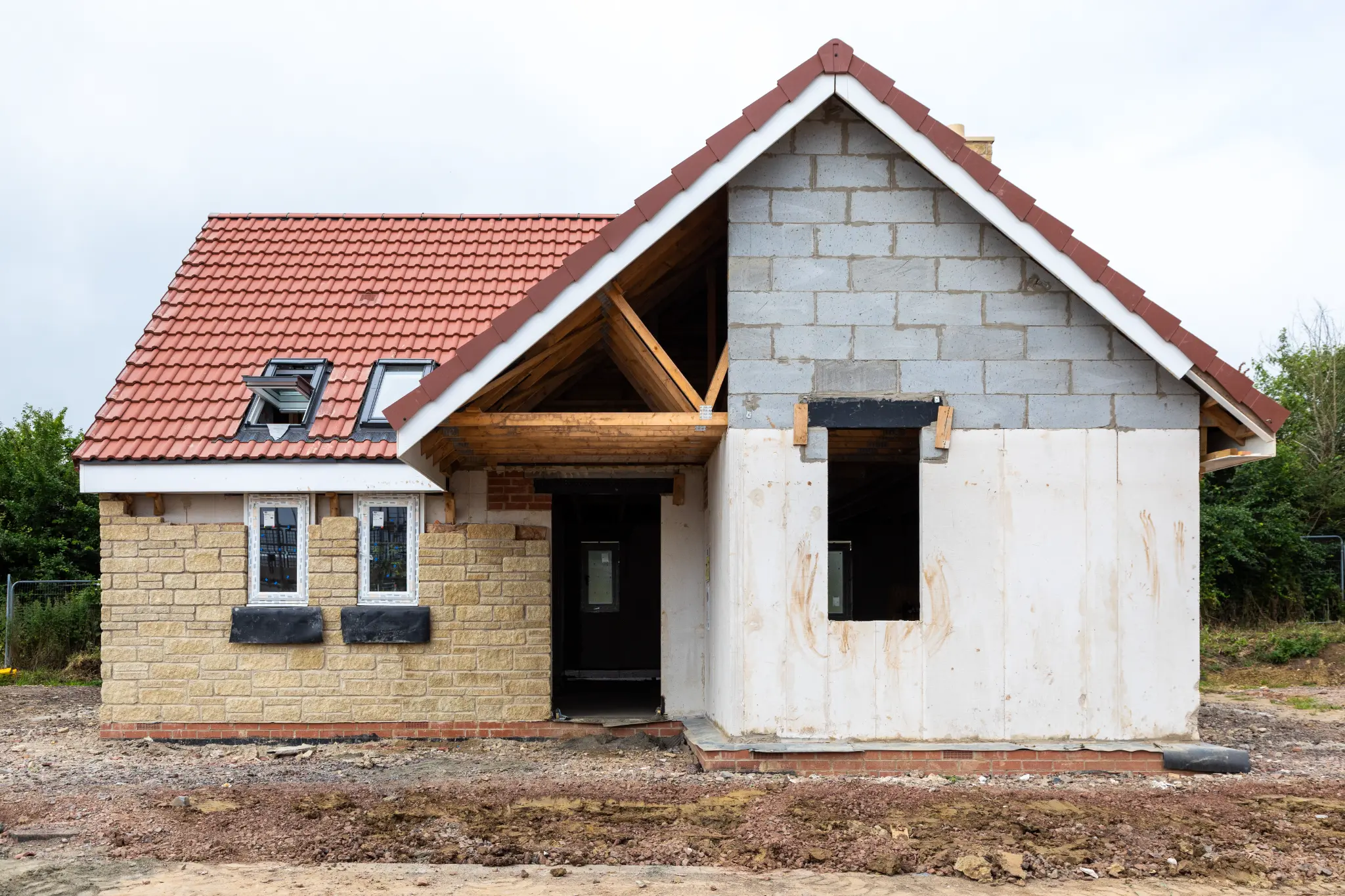
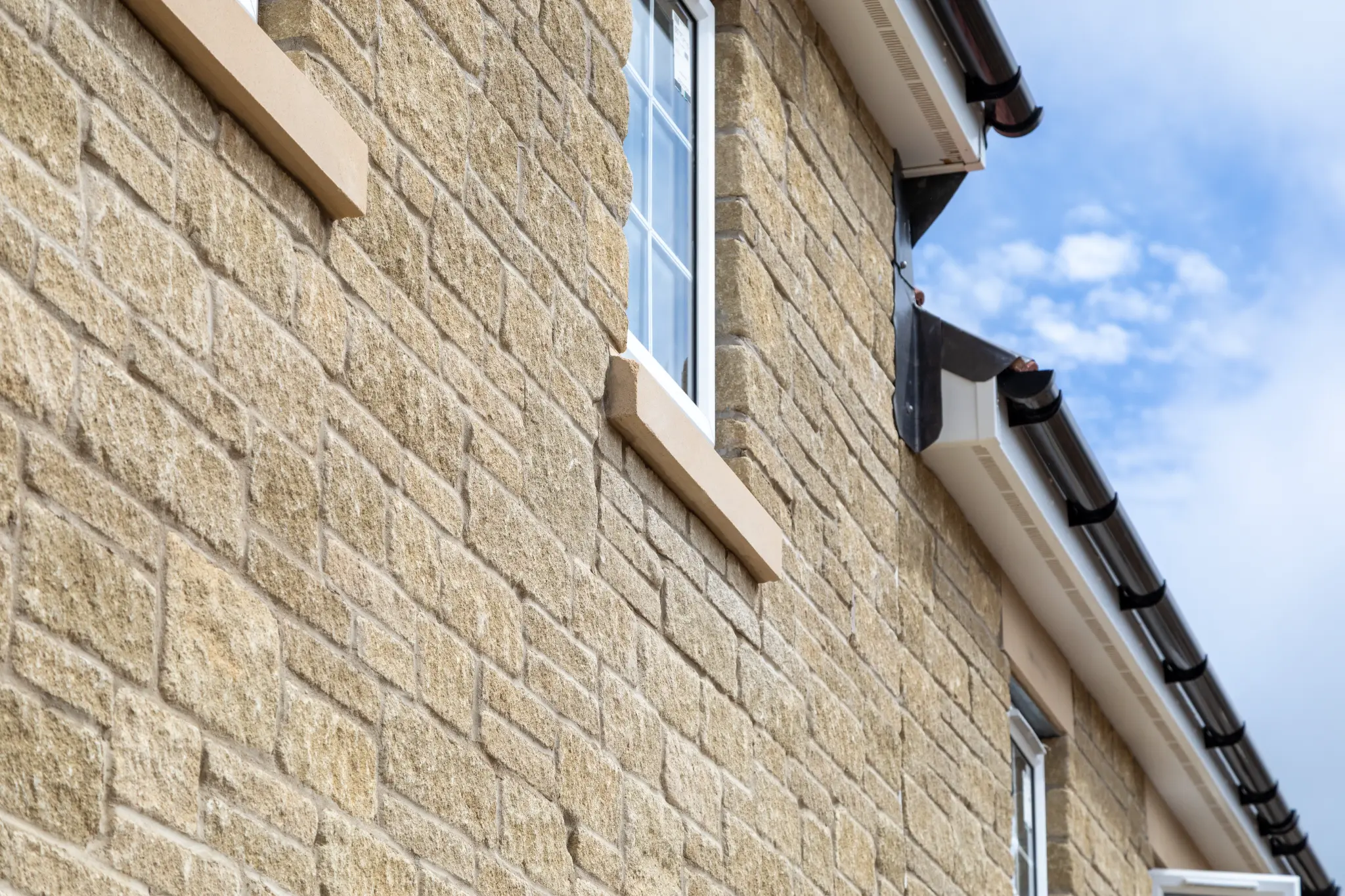
This case study covers multi-stage construction documentation photography for a major residential development by Travis Perkins, Galion, and WholeHouse. The brief required capturing specific construction features including window cills, expansion joints, brickwork quality, and DPC placement, alongside general progress photography at regular intervals throughout the build programme. Construction stage photography serves as a project record for quality assurance, warranty compliance, stage payment claims, and dispute resolution. Working on an active building site presents unique challenges including full PPE requirements, access constraints around scaffolding and plant machinery, weather dependency, and the need to time visits precisely to capture features before they are covered or rendered. Professional construction photography provides consistent, high-quality documentation that phone photos from site staff cannot match.
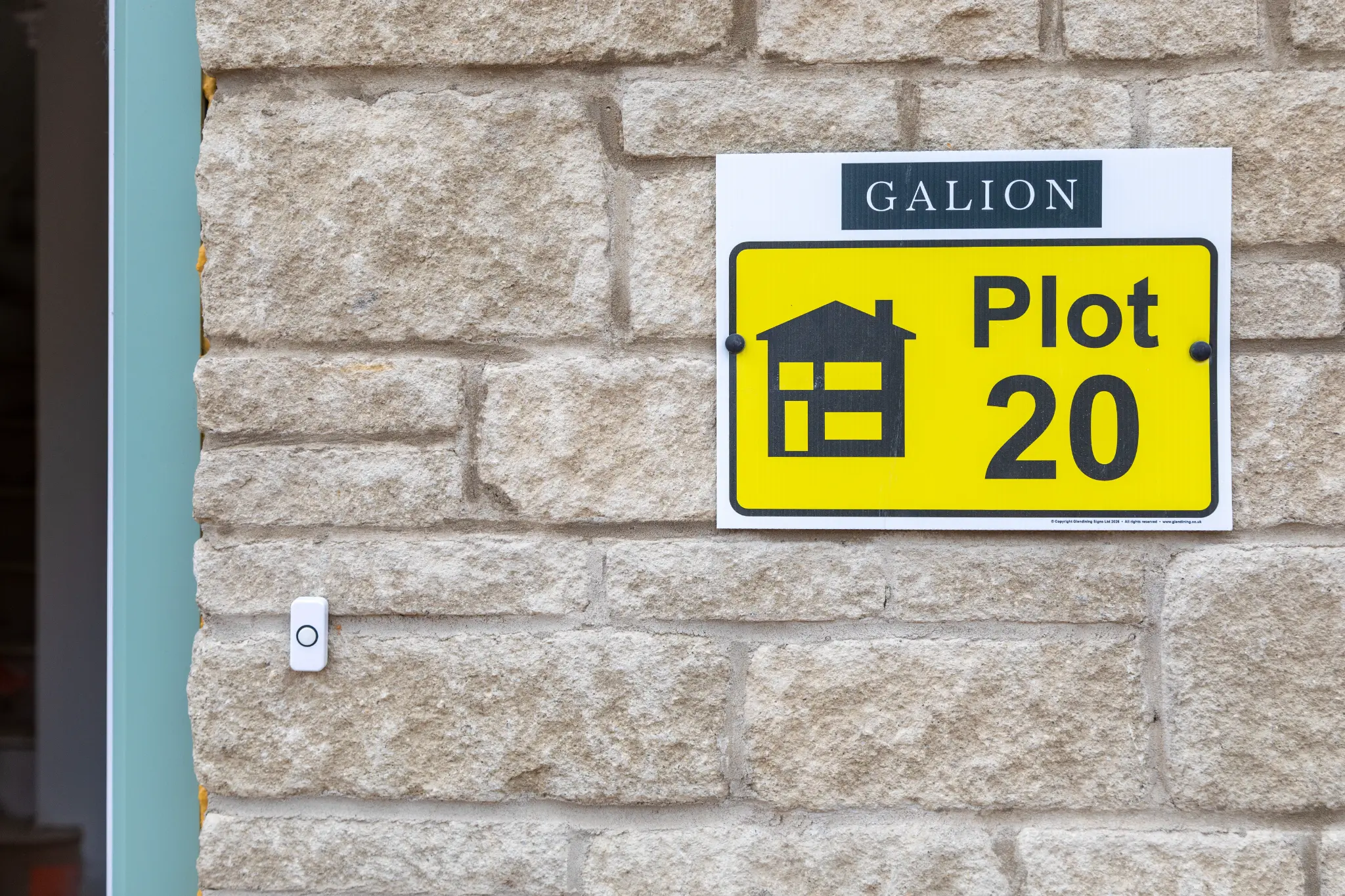
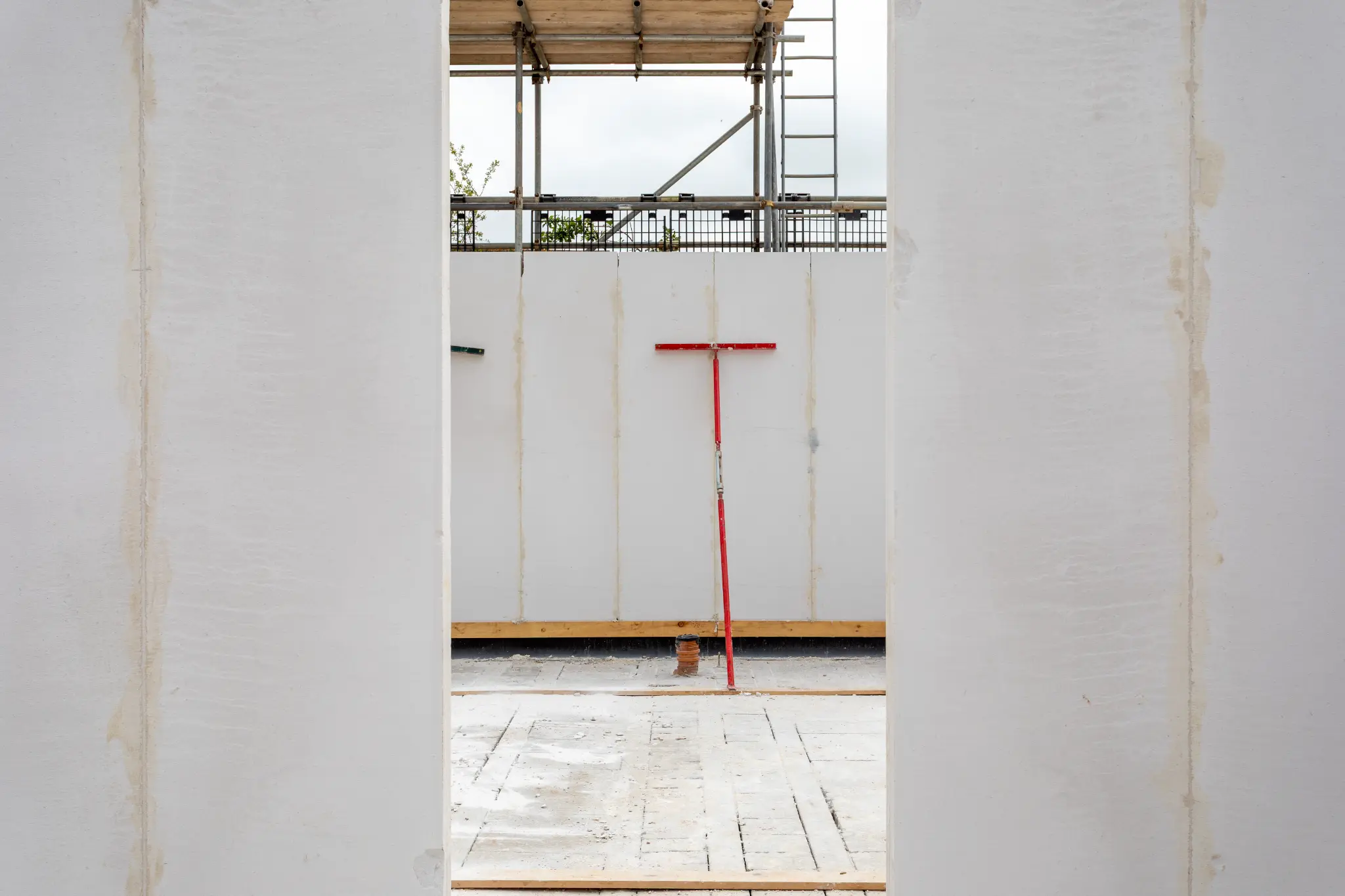
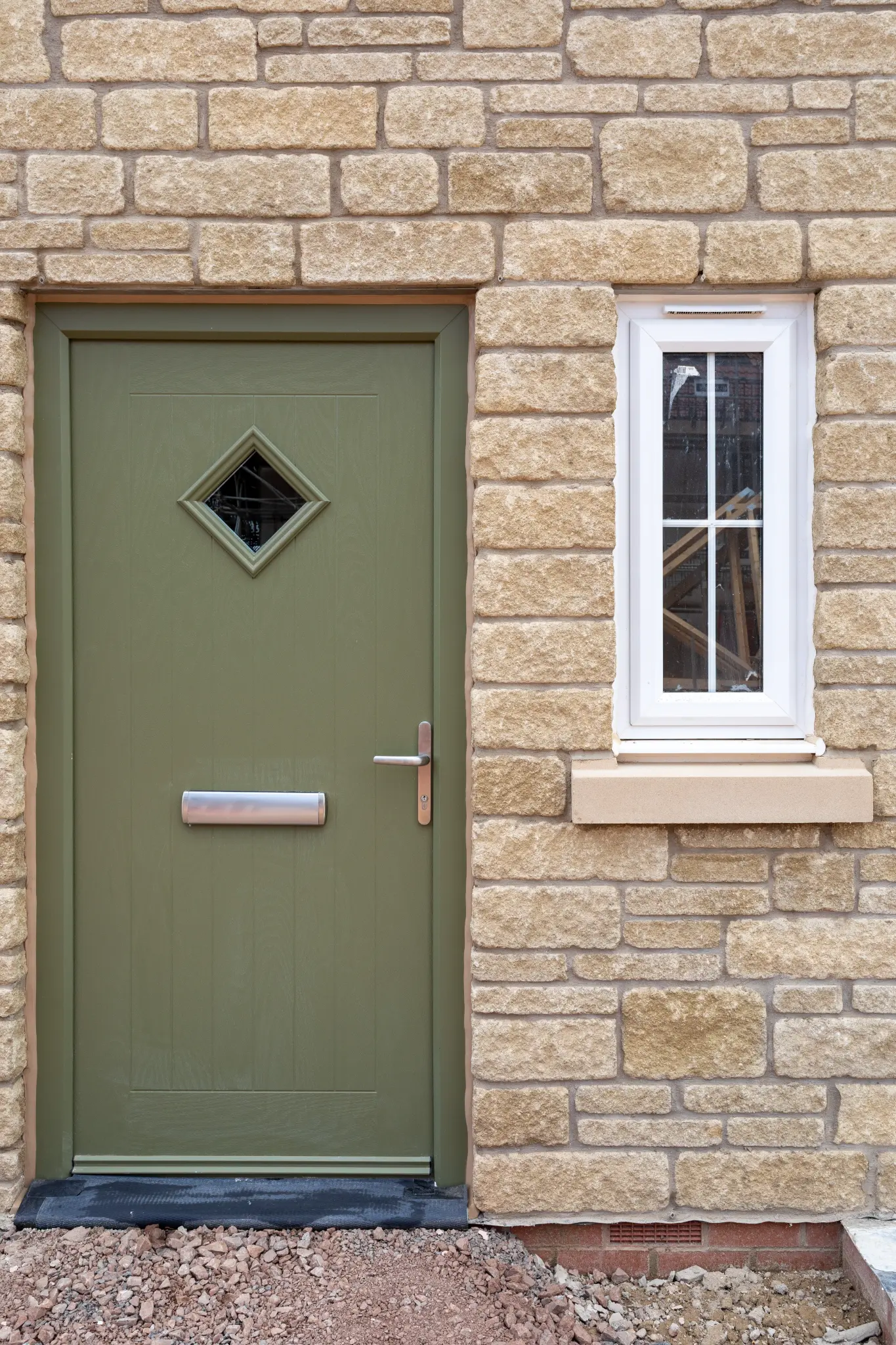
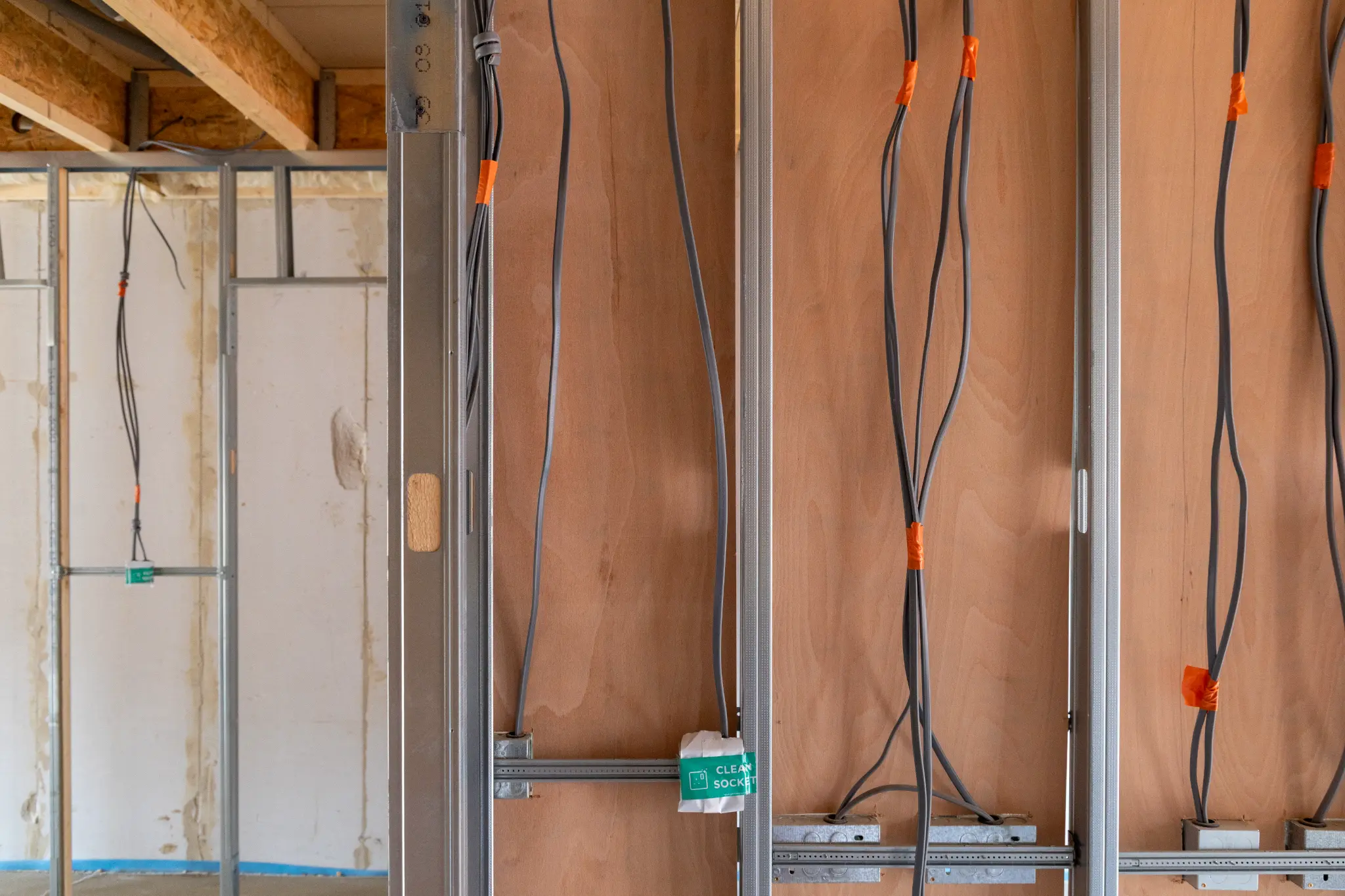
This is not your conventional property photography. There are no staged interiors, no carefully arranged cushions, and no golden-hour exteriors. This is construction stage photography for a major residential development, commissioned by the developers Travis Perkins, Galion, and WholeHouse (by Travis Perkins). The brief was to document the build at multiple stages, capturing specific construction features requested by the client including window cills, expansion joints, brickwork detailing, internal wiring and service pipes, and general multi-stage progress photography across the entire site.
Construction stage photography serves a very different purpose to marketing photography. These images form part of the project record, providing evidence of build quality, compliance with specifications, and a visual timeline that the developer, contractor, and warranty provider can all reference. Getting it right requires an understanding of what matters structurally, not just aesthetically.
01The Brief
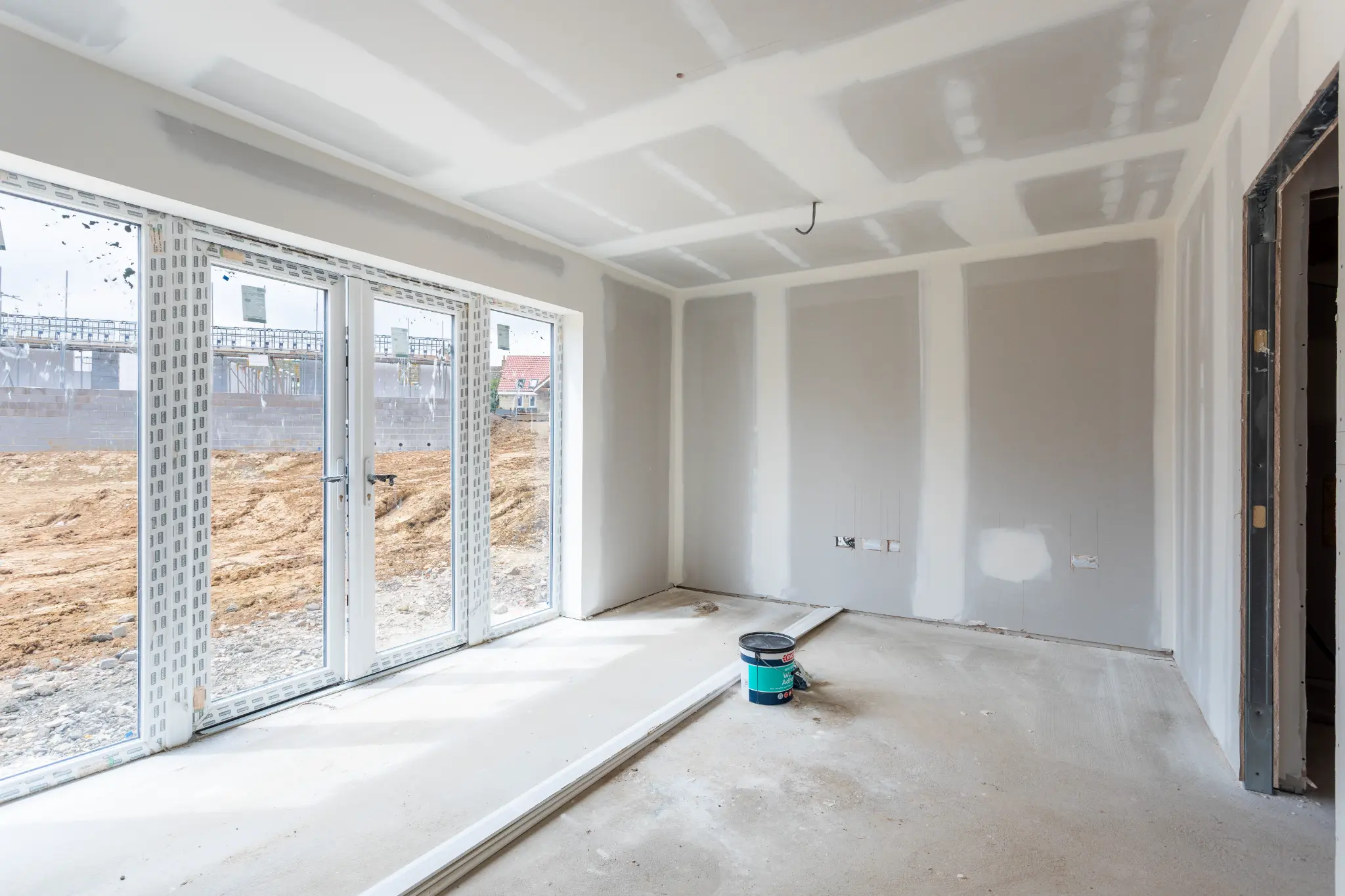
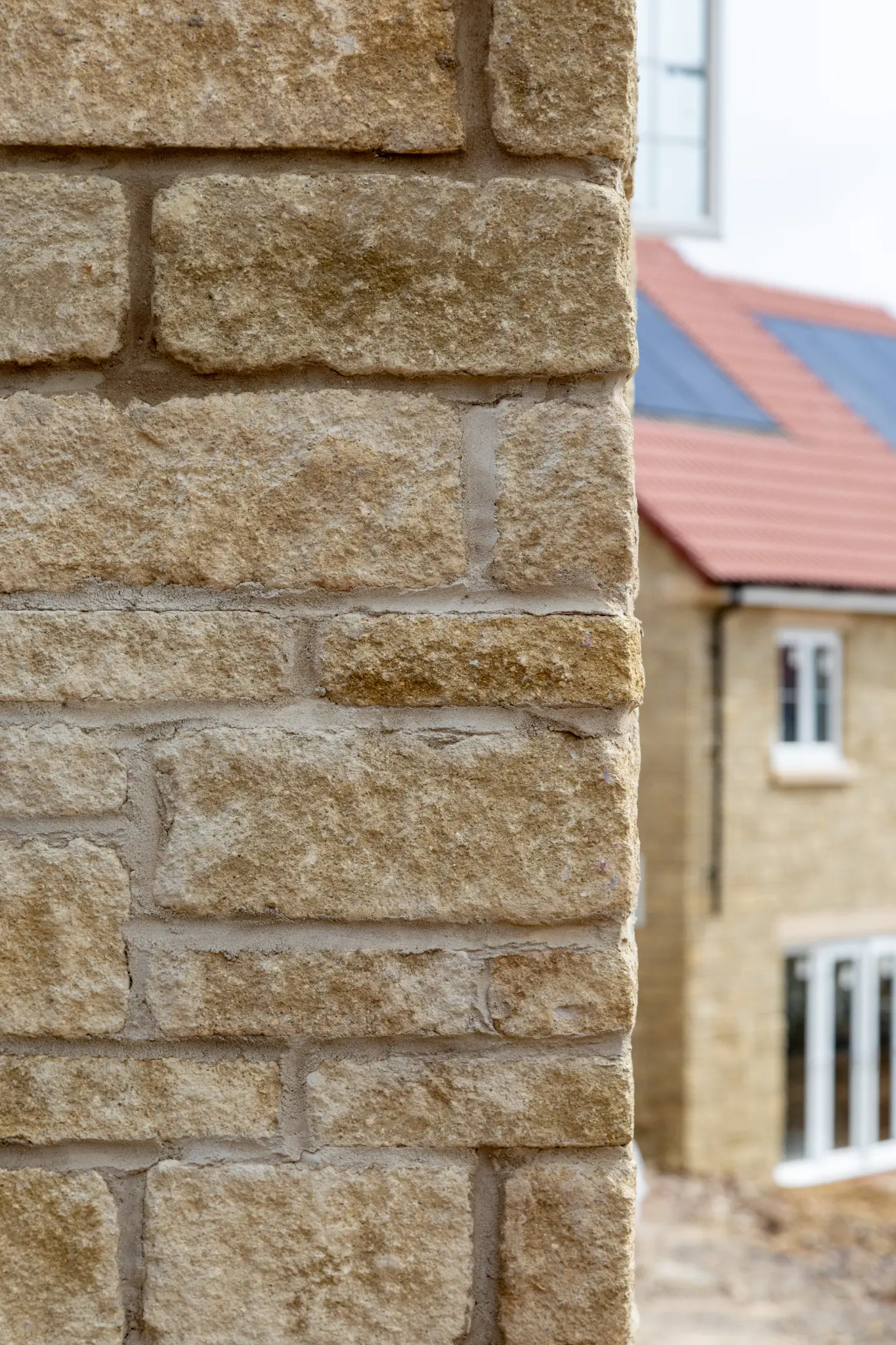
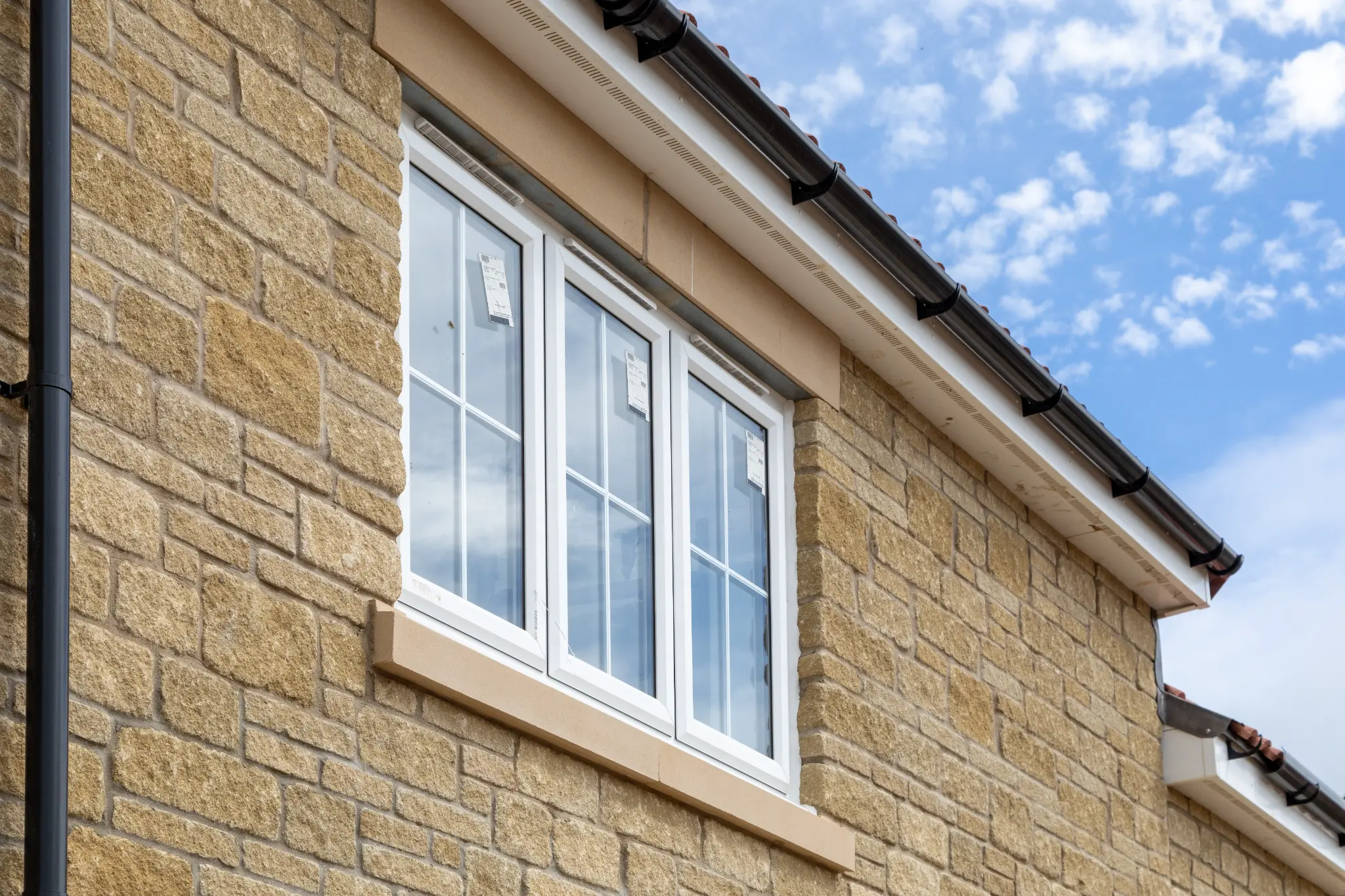
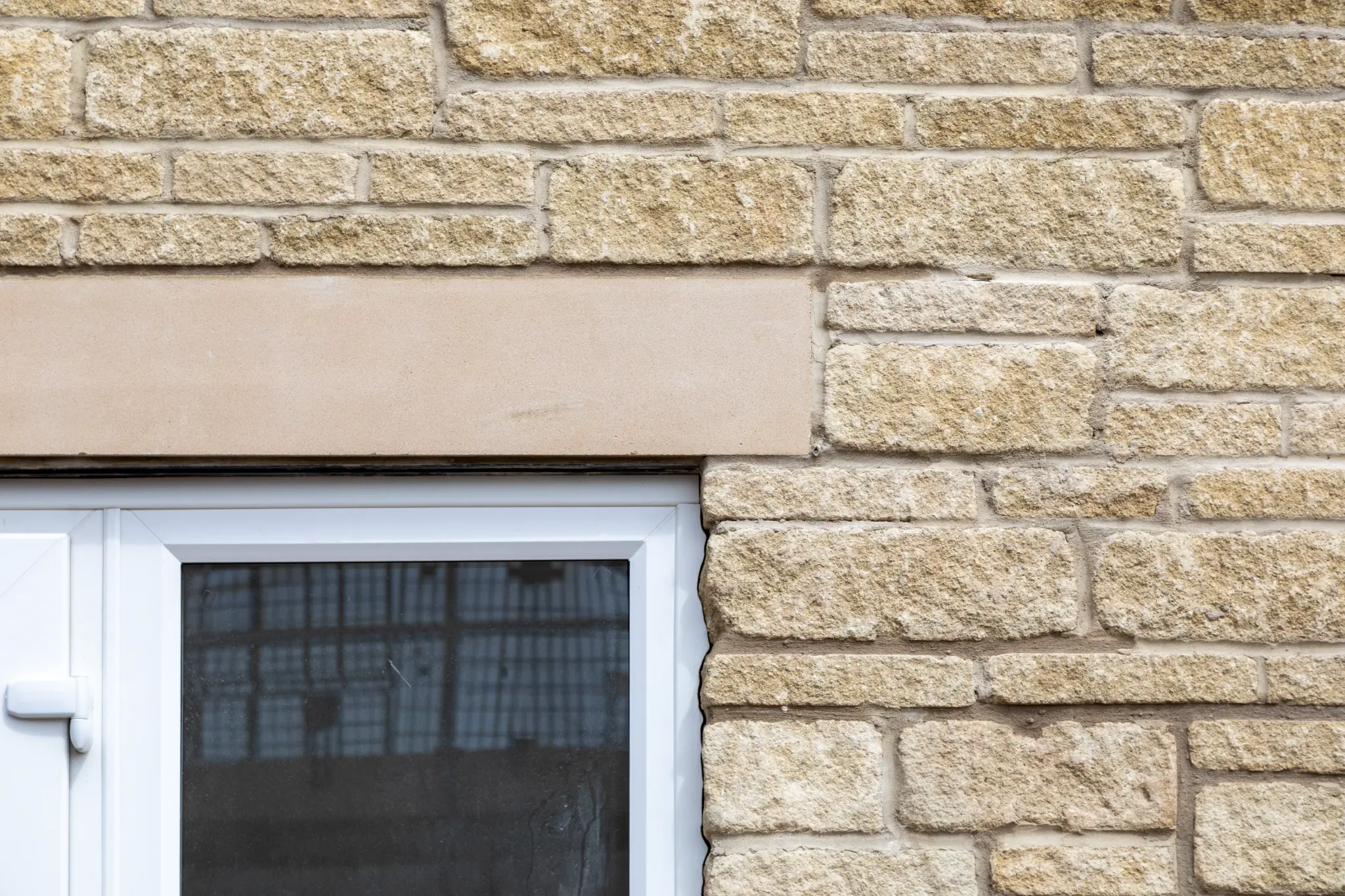
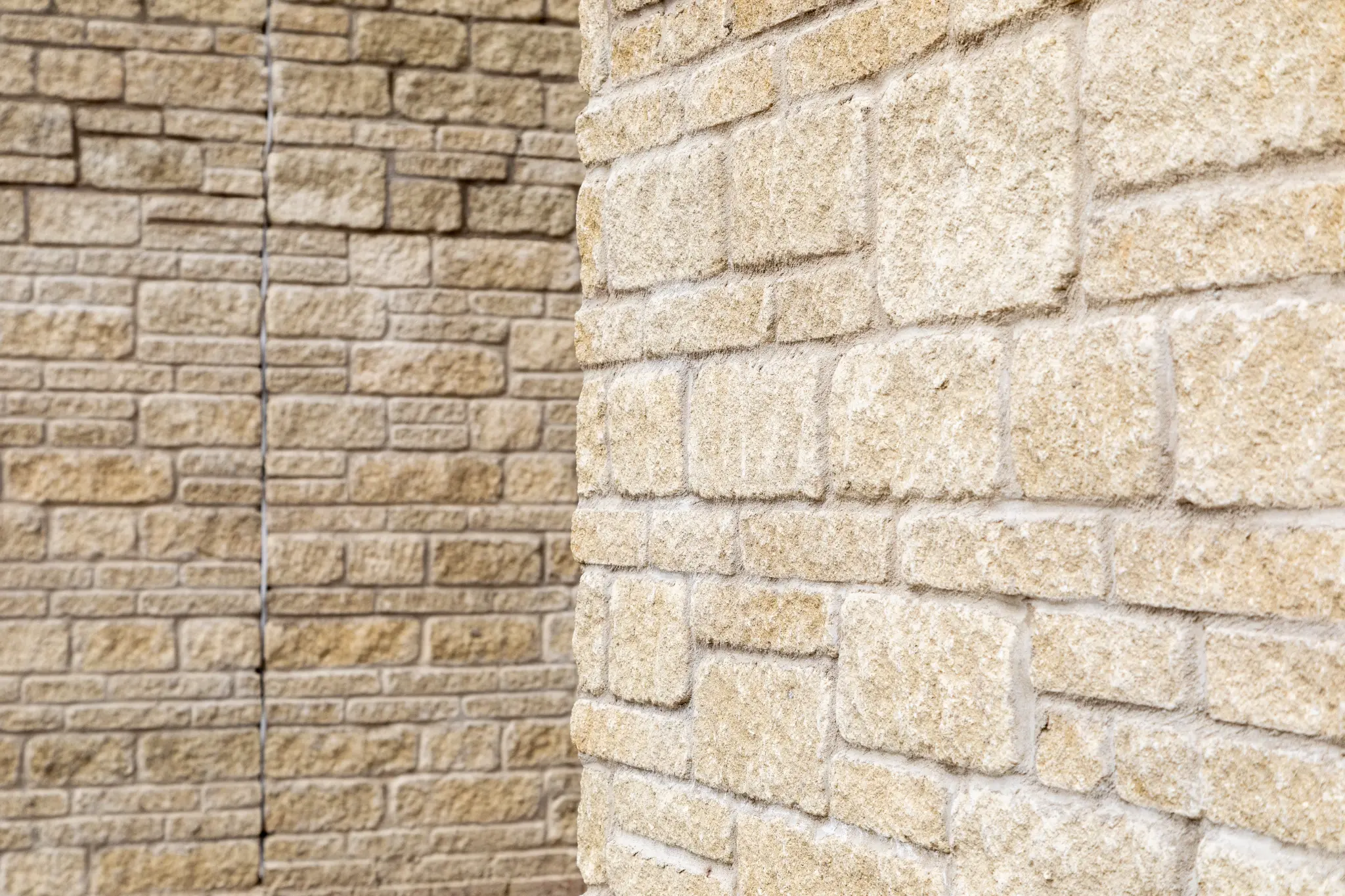
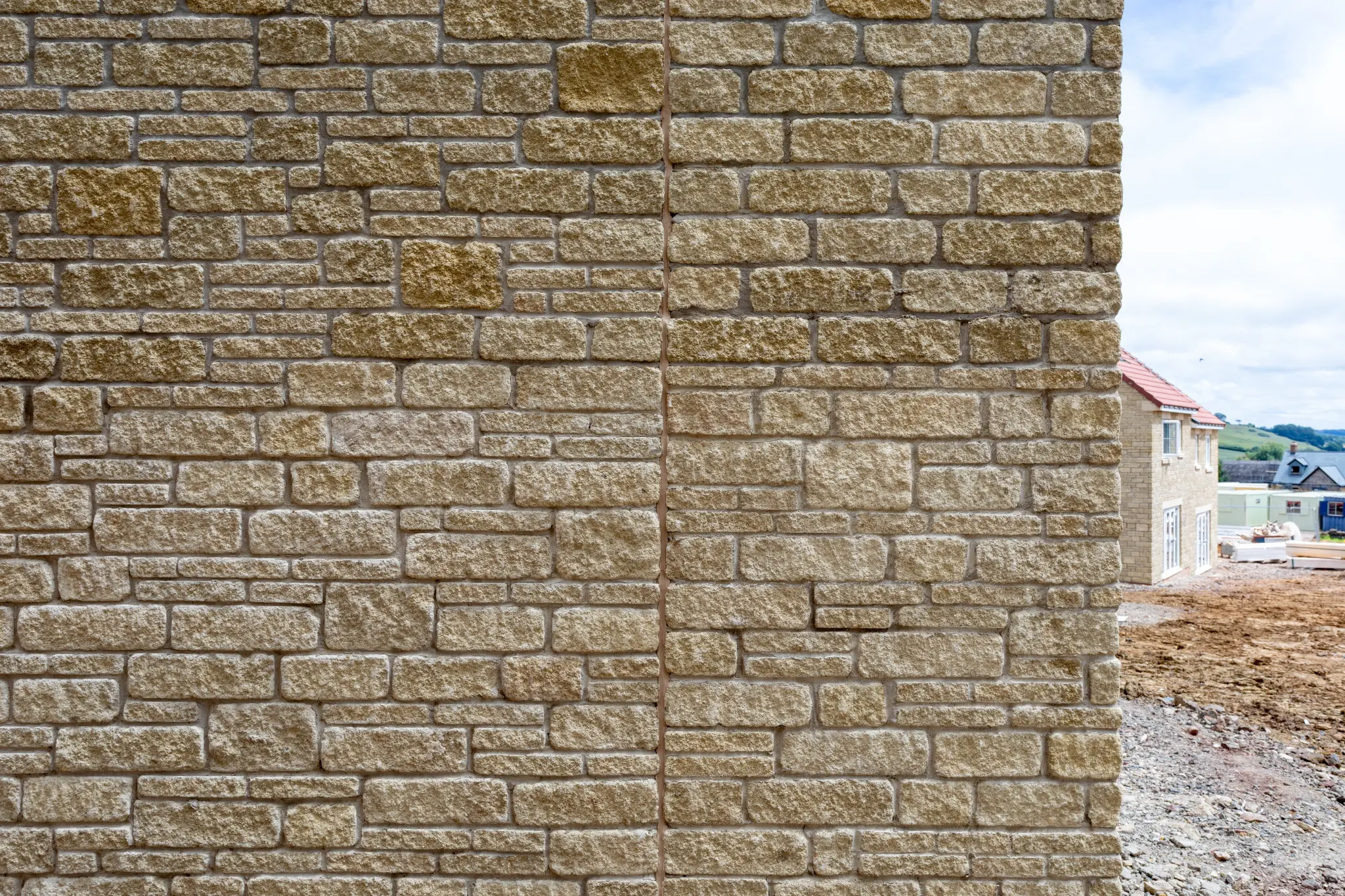
The client needed comprehensive photographic documentation at regular intervals throughout the build programme. Each visit covered the full site, with particular attention to construction details that would later be hidden behind plasterboard, render, or landscaping. Window cills and lintels needed to be captured at the point of installation. Expansion joints in the brickwork needed to be documented clearly enough to demonstrate correct spacing and placement. Internal wiring runs, service pipes, and first-fix plumbing all needed recording before they disappeared behind finished walls. And general progress photography was required showing each plot from groundworks through to completion.
This is the kind of photography where precision matters more than composition. The images need to be clear, well-lit, and detailed enough that an engineer or building inspector could use them as reference material months or years after the build is complete.
02Working on an Active Building Site
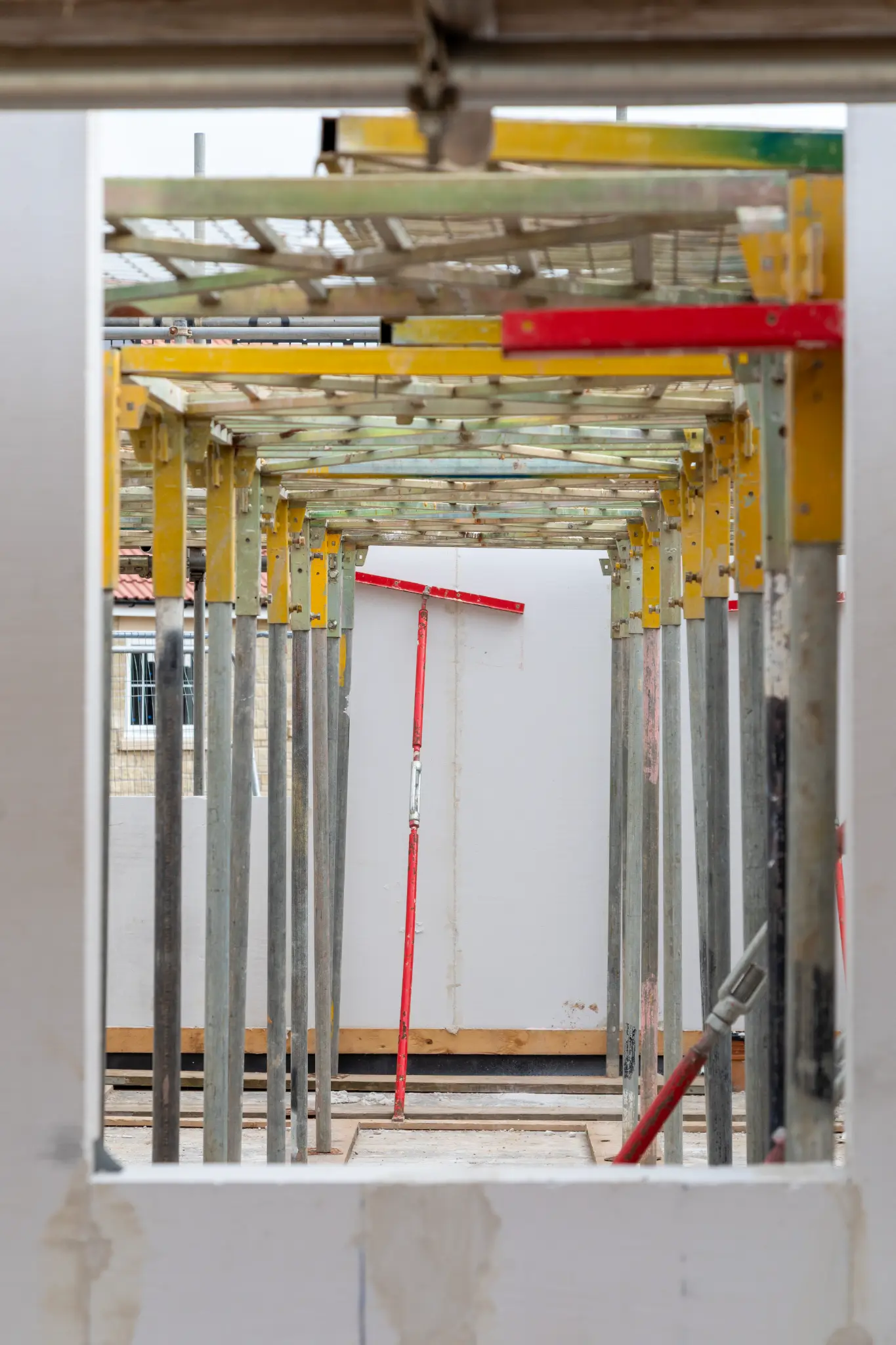
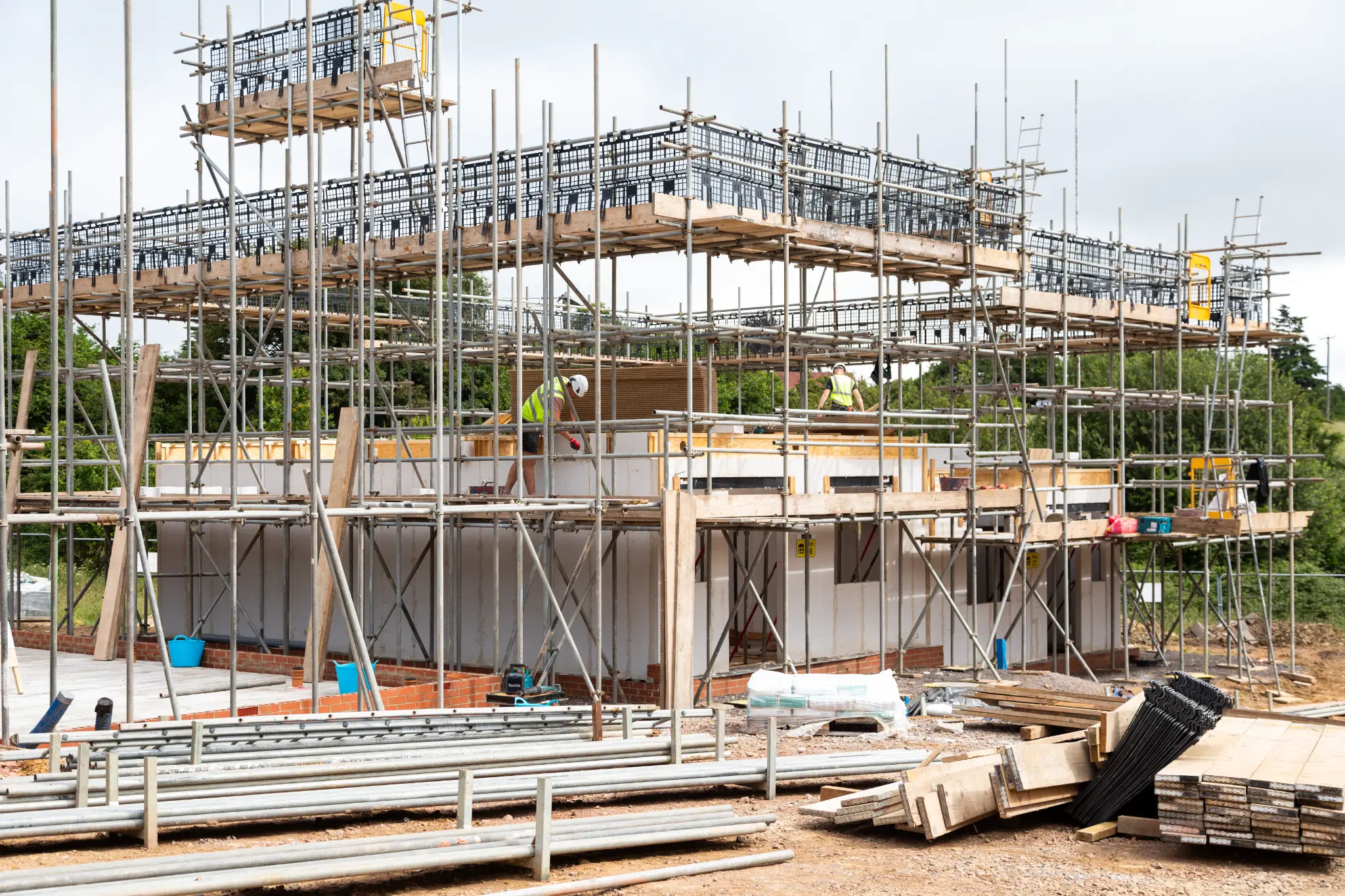
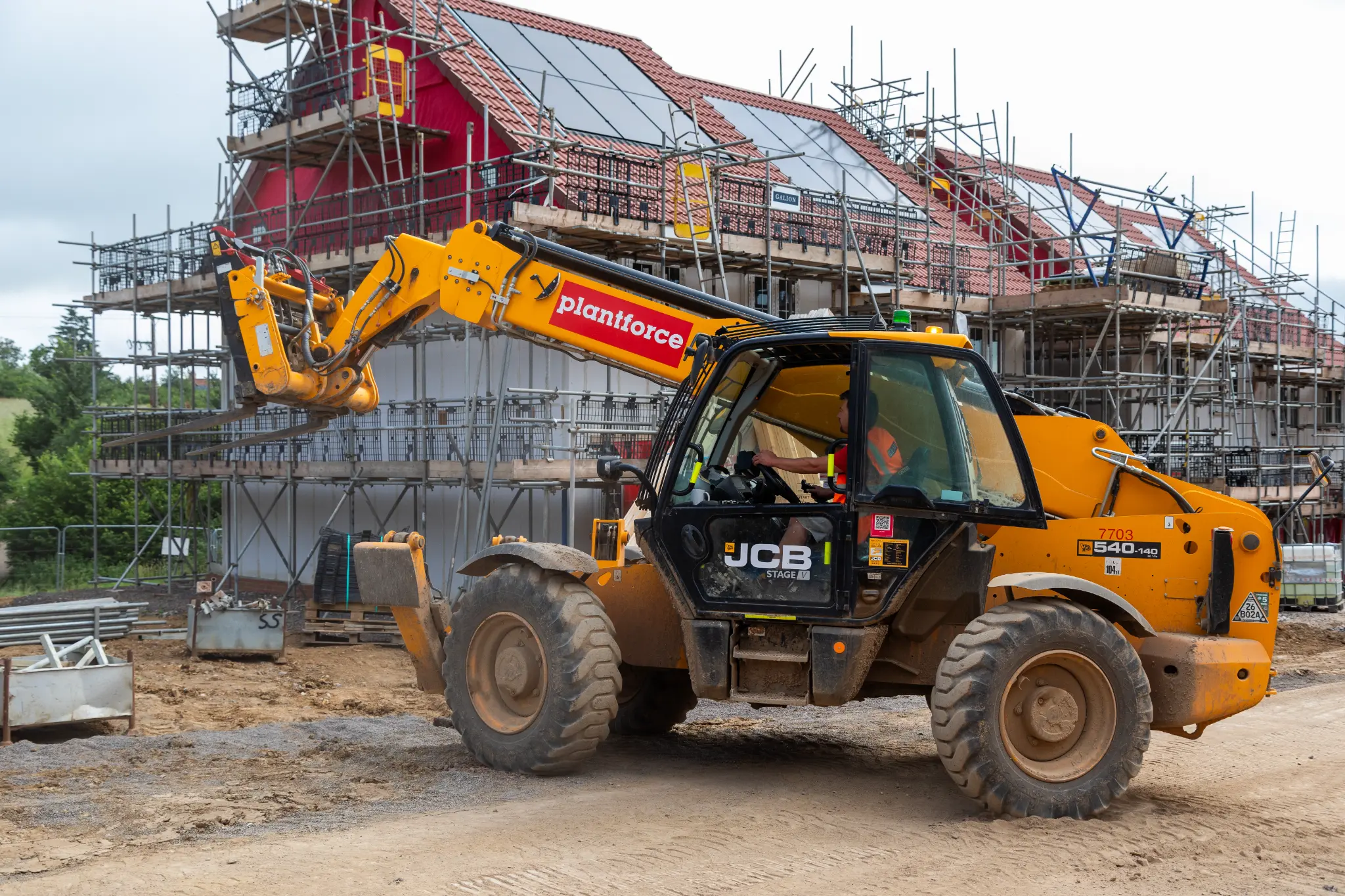
Photographing an active construction site presents challenges that simply do not exist in conventional property photography. The environment is constantly changing, often unpredictable, and governed by strict health and safety requirements that take priority over everything else.
Access and Timing
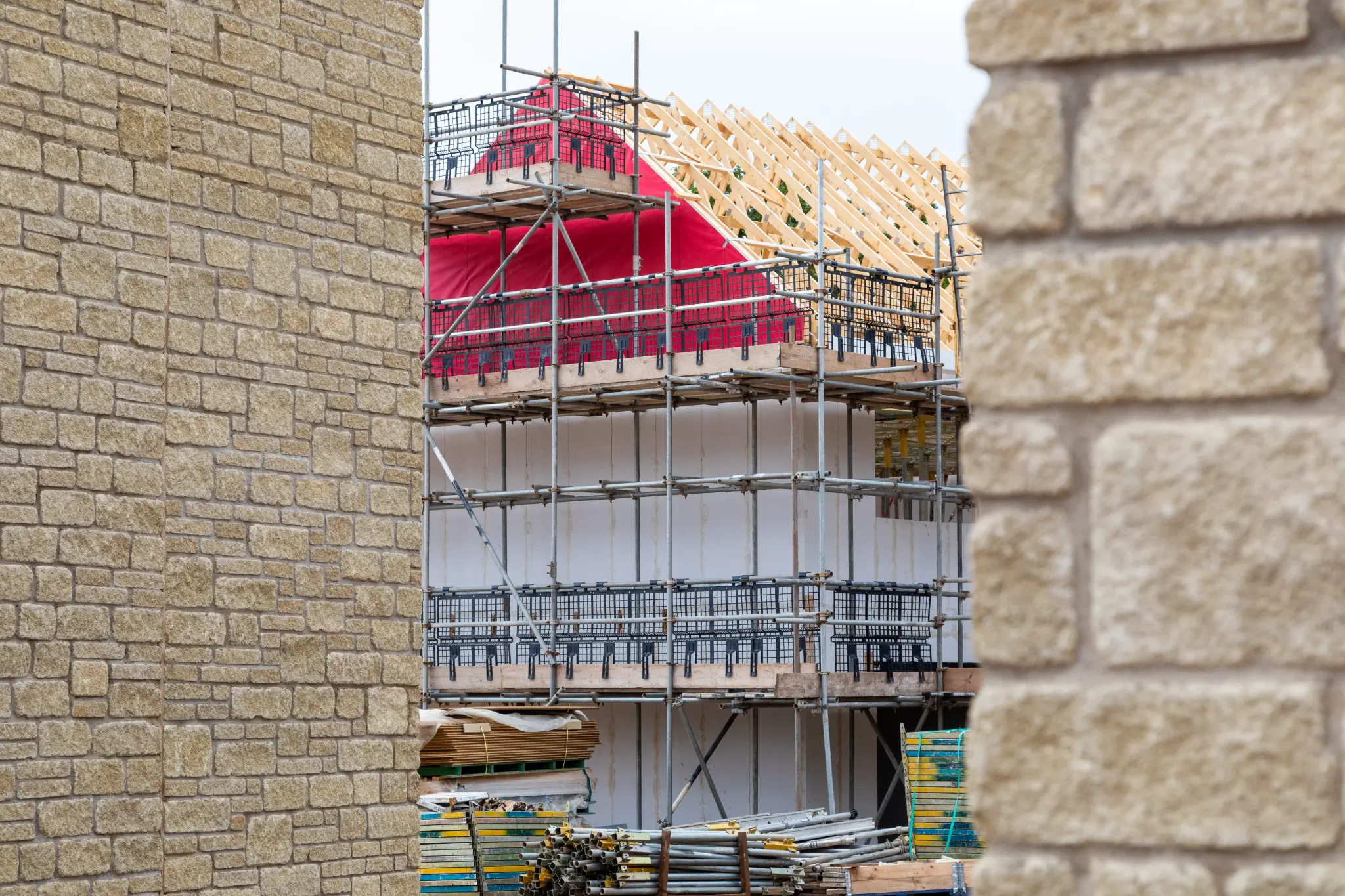
On a live site, access is never guaranteed. Scaffolding goes up and comes down according to the build schedule, not my photography schedule. A feature I need to document on Tuesday might be behind scaffolding boards by Thursday, or covered with render by the following week. This means I need to work closely with the site manager to understand the programme and time my visits to catch specific construction stages before they are covered up.
There are also practical constraints around when certain areas can be accessed safely. If a crane is operating overhead, that section of the site is off-limits. If concrete is being poured on one plot, I cannot be working in the adjacent trench. Flexibility and patience are essential.
Health and Safety
Every visit to a construction site requires full PPE, a site induction, and sign-in. I carry my own hard hat, high-visibility vest, steel-toe boots, and safety glasses as standard. But beyond the personal equipment, there is a constant awareness required when moving around the site. Uneven ground, open trenches, overhead loads, moving plant machinery, and trailing cables are all part of the environment.
Photographing construction details often means getting close to walls, foundations, and openings that may not yet have permanent barriers. I need to be aware of my surroundings at all times while simultaneously concentrating on getting a sharp, well-exposed image of a specific detail that might be only a few centimetres across.
Weather and Lighting
Unlike interior property photography where I can control the lighting, construction stage photography happens in whatever conditions the British weather decides to provide. Overcast days are actually preferable for detail shots because the diffused light reduces harsh shadows and makes it easier to see the texture and quality of brickwork, mortar joints, and other surface details.
Rain presents obvious problems, both for the camera equipment and for the quality of the images. Wet brickwork photographs differently to dry brickwork, and some details are simply impossible to capture clearly when surfaces are saturated. I schedule visits around the forecast where possible, but on a build programme with tight deadlines, sometimes you have to work with what you get.
03Capturing What Gets Hidden
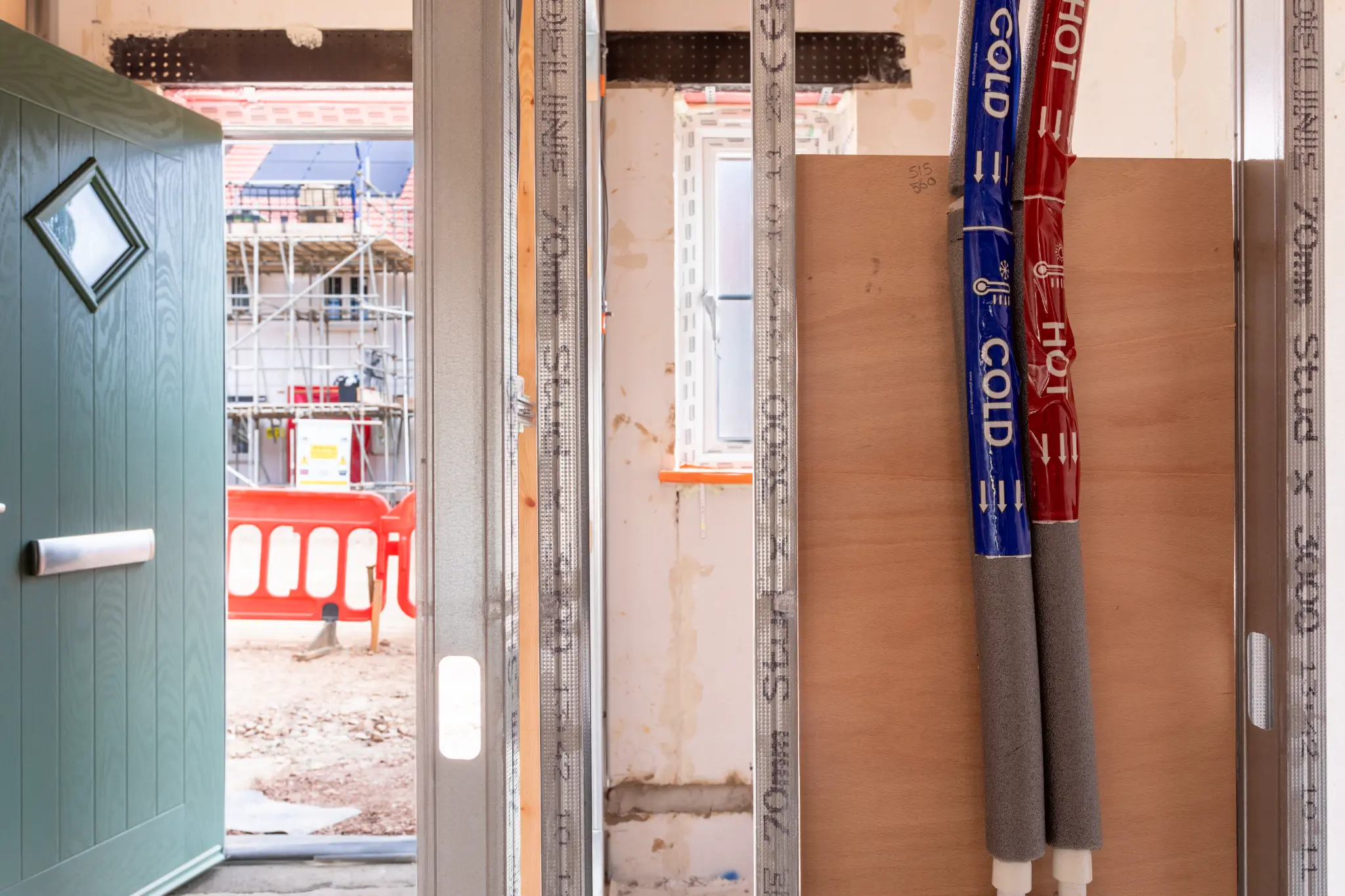
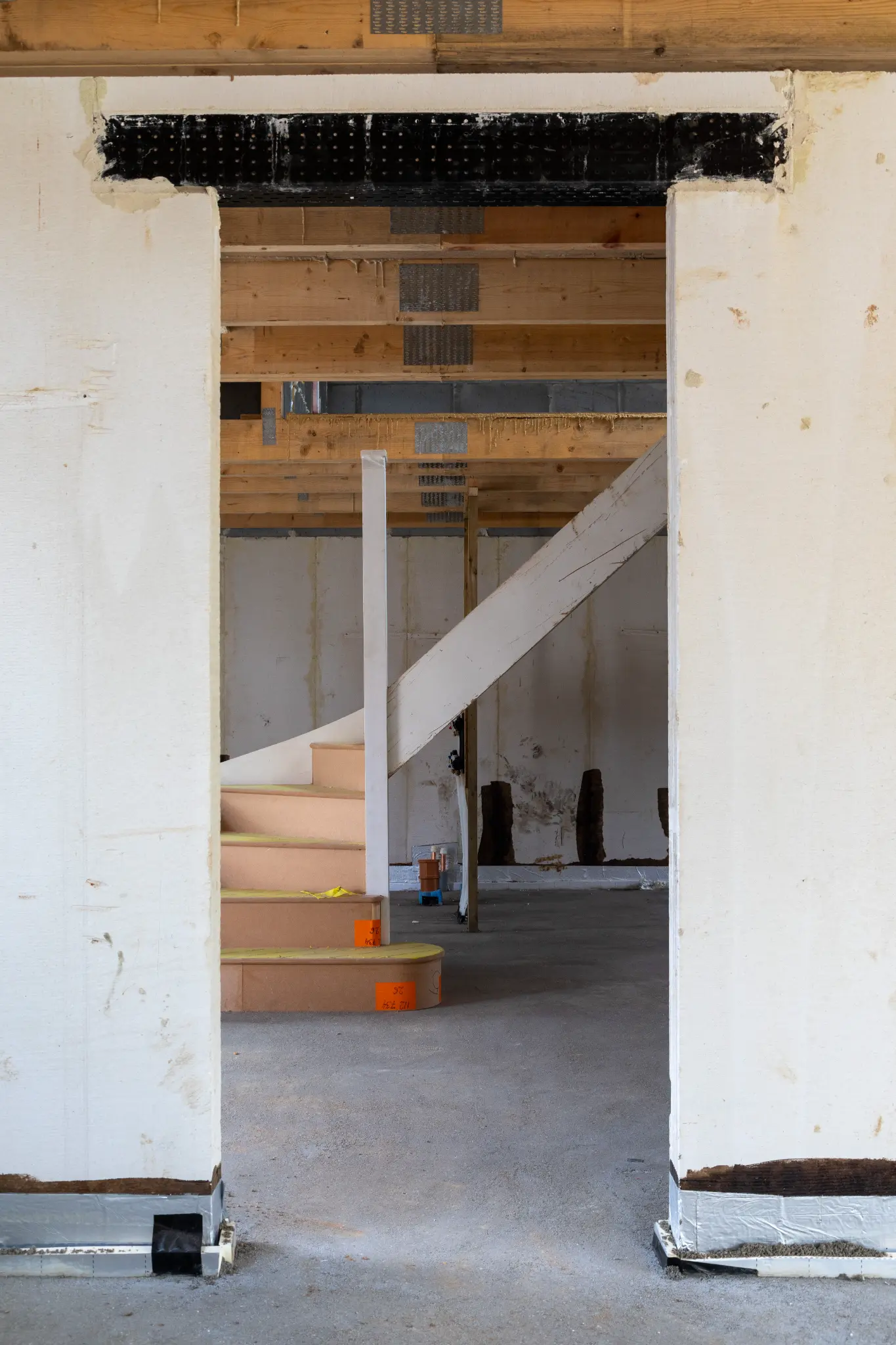
One of the most important aspects of construction stage photography is documenting the elements that will never be visible in the finished building. Internal wiring runs, service pipes, first-fix plumbing, insulation placement, and structural connections all need to be recorded before they disappear behind plasterboard and paint.
This matters for several reasons. If there is ever a dispute about what was installed, or where services were routed, the photographic record provides evidence. If future maintenance requires access to hidden services, the images show exactly where pipes and cables run. And for warranty purposes, the photographs demonstrate that work was carried out to specification at the time of installation.
Capturing these internal elements requires careful timing. There is often only a narrow window between first-fix completion and the boarding-up of walls and ceilings. Miss that window and the opportunity is gone. I coordinate closely with the site manager to ensure I am on site at the right moment for each plot, often visiting multiple times in a single week when several plots are reaching the same stage simultaneously.
04Progress Photography
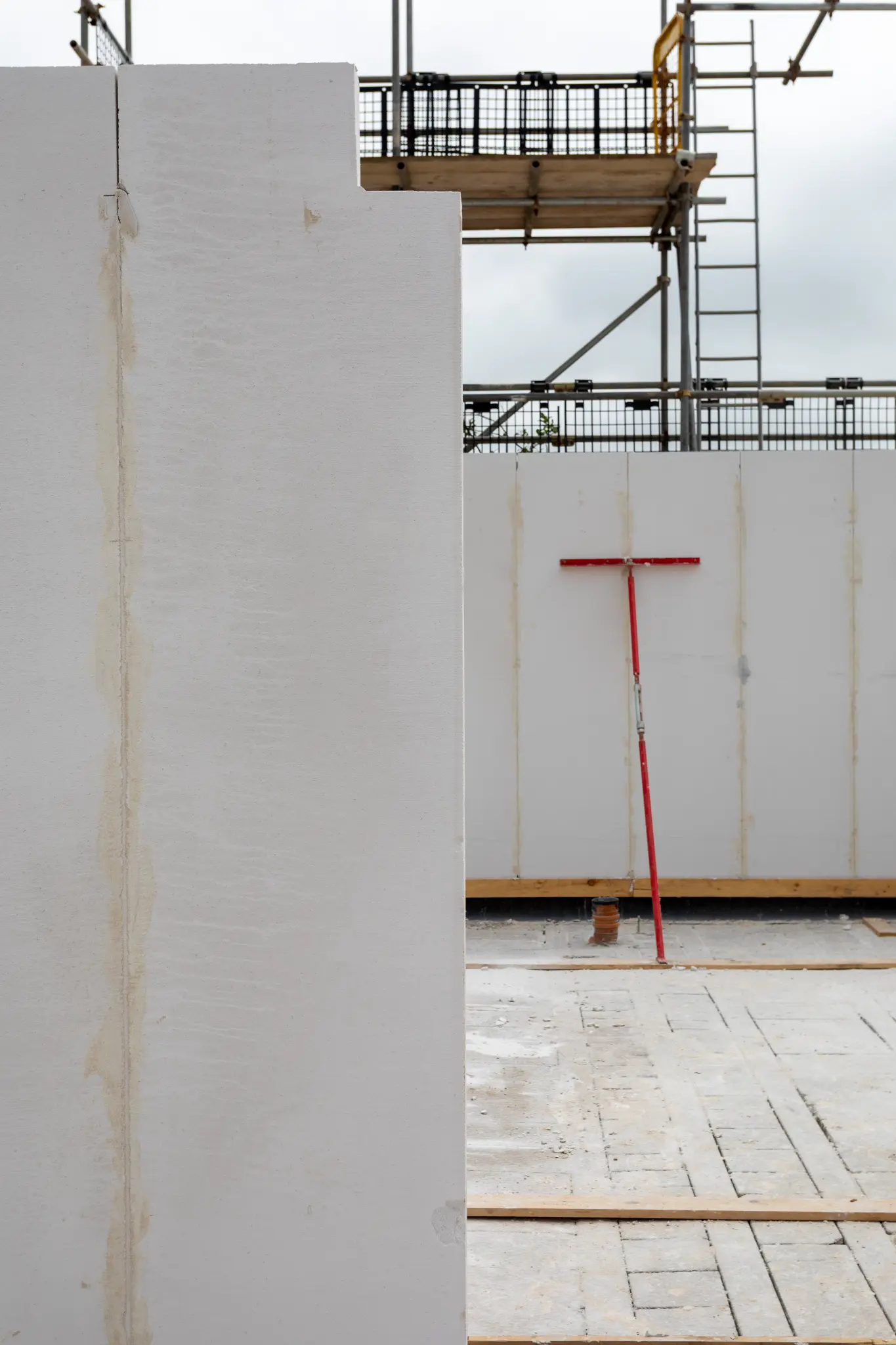
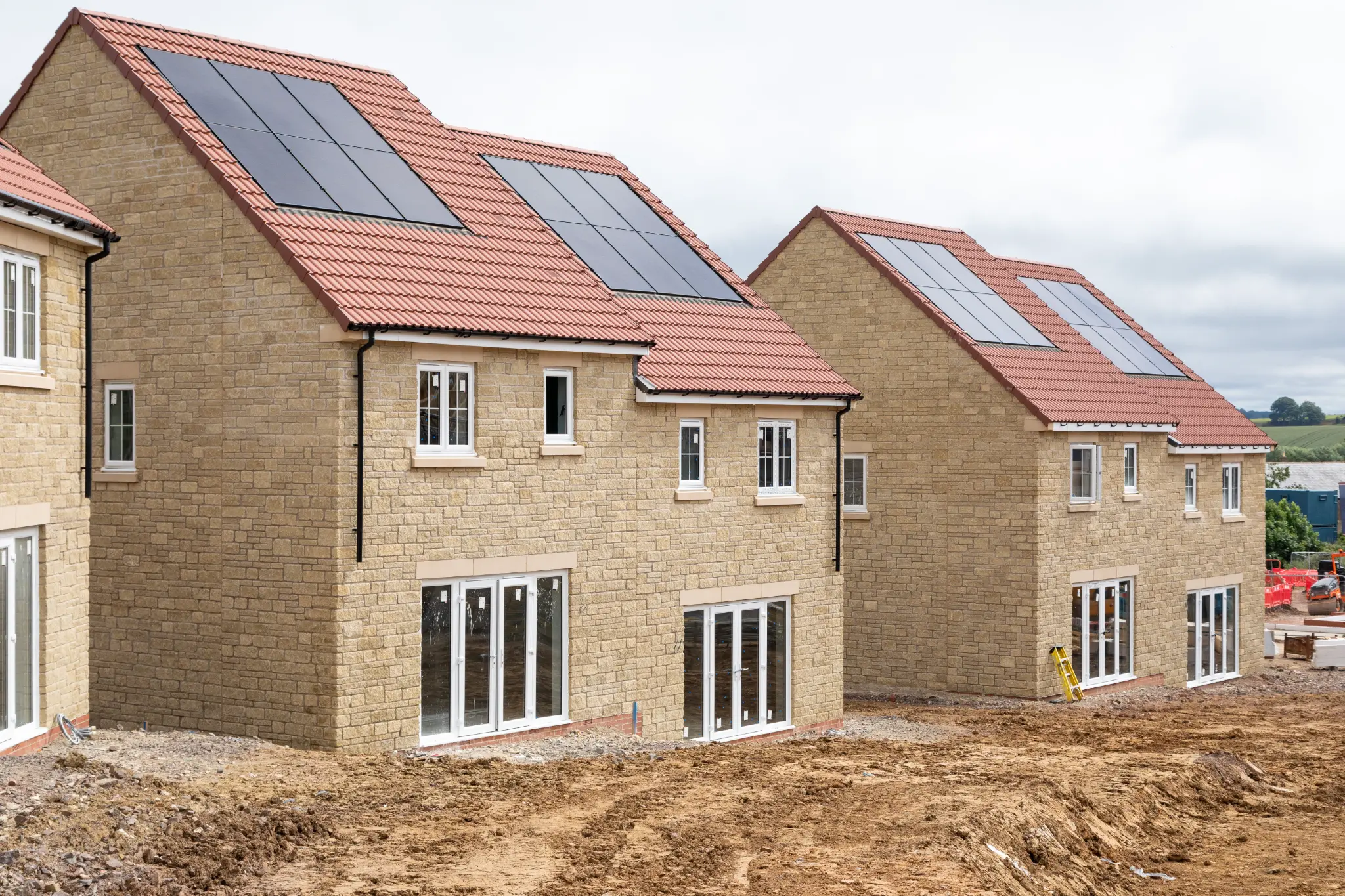
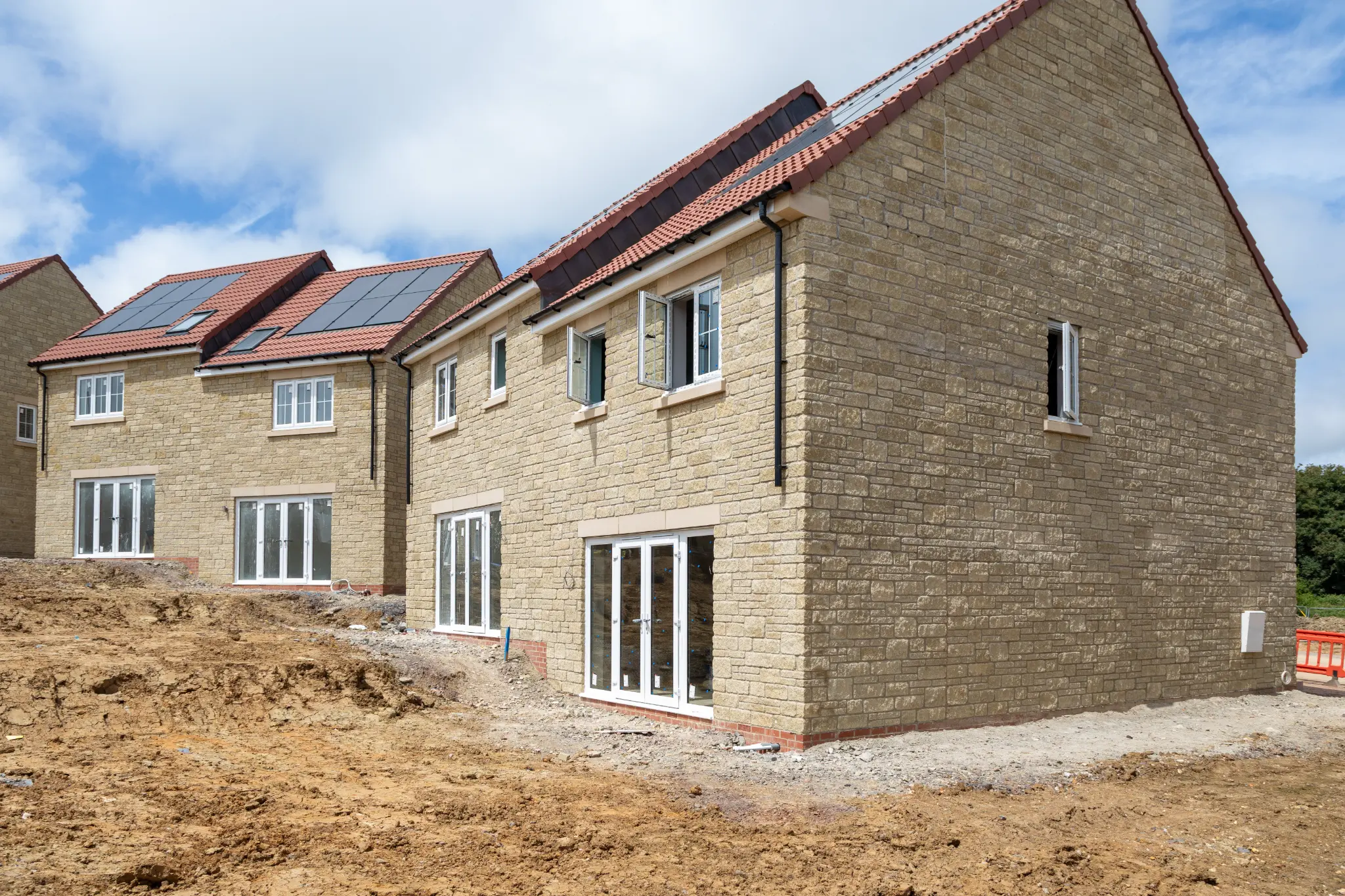
Beyond the specific detail shots, each visit produces a comprehensive set of progress images showing every plot from consistent viewpoints. Over the course of the build programme, these create a visual timeline that documents the entire project from groundworks to completion.
The progress shots serve multiple purposes. They demonstrate to investors and stakeholders that the programme is on track. They provide evidence for stage payment claims. They create a marketing asset that the developer can use to show the quality of their build process. And they form part of the permanent project record.
05Drone Photography on Construction Sites
Aerial photography adds a dimension to construction documentation that ground-level shots simply cannot provide. From above, you can see the relationship between plots, the progress across the entire site, the access roads, drainage runs, and landscaping works in a single frame.
However, flying a drone on a construction site requires additional planning and permissions. The site needs to be aware of the flight, operatives in the immediate area need to be briefed, and the flight itself needs to be planned around any crane operations or other aerial hazards. I hold a CAA licence for commercial drone operations and carry full insurance, but the coordination with the site team is just as important as the technical qualifications.
06Why Developers Choose Specialist Photography
Many developers rely on site managers or quantity surveyors to take progress photographs on their phones. While this is better than nothing, the quality and consistency of the images is rarely sufficient for formal documentation, marketing use, or dispute resolution.
Professional construction photography provides:
- Consistent quality across every visit, with properly exposed, sharp images that can be enlarged and examined in detail
- Systematic coverage following a shot list agreed with the client, ensuring nothing is missed
- Proper file management with images named, dated, and organised by plot and stage
- Drone capability for aerial overviews that show the full site context
- Independence as a third-party record that carries more weight than internal documentation
For Travis Perkins, Galion, and WholeHouse, having a professional photographer document the build at each stage means they have a comprehensive visual record that serves quality assurance, marketing, and compliance purposes simultaneously.
07Commercial Photography for Construction and Development
If you are a developer, contractor, or housing association looking for construction stage photography, I would be happy to discuss your requirements. I cover sites across Somerset, Bristol, Bath, Wiltshire, and the wider South West, and can work to regular visit schedules that align with your build programme.
My commercial photography services include construction documentation, progress photography, drone surveys, and completion photography for marketing. Each project is quoted individually based on site size, visit frequency, and specific documentation requirements.
Get in touch: Contact me to discuss construction stage photography for your development, or call 07545 450543 to talk through your requirements.
--- I provide commercial photography across the UK. Get in touch or call 07545 450543 to discuss your project.
I photographed this project for Travis Perkins, Galion, and WholeHouse. Explore my commercial photography services, or get in touch to discuss your project. For ongoing site documentation, see my construction photography service, and for aerial progress photography, see my commercial drone photography page.