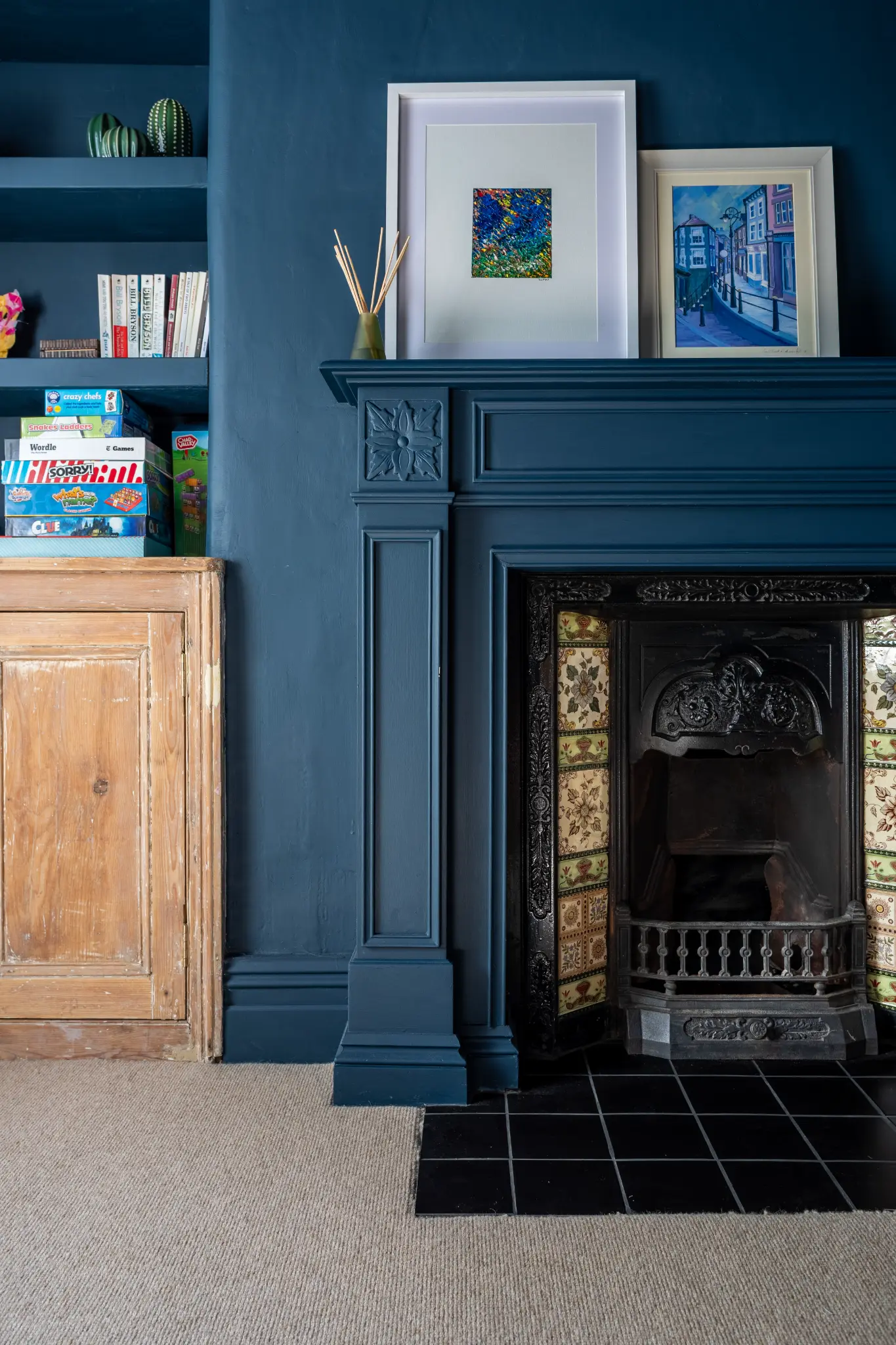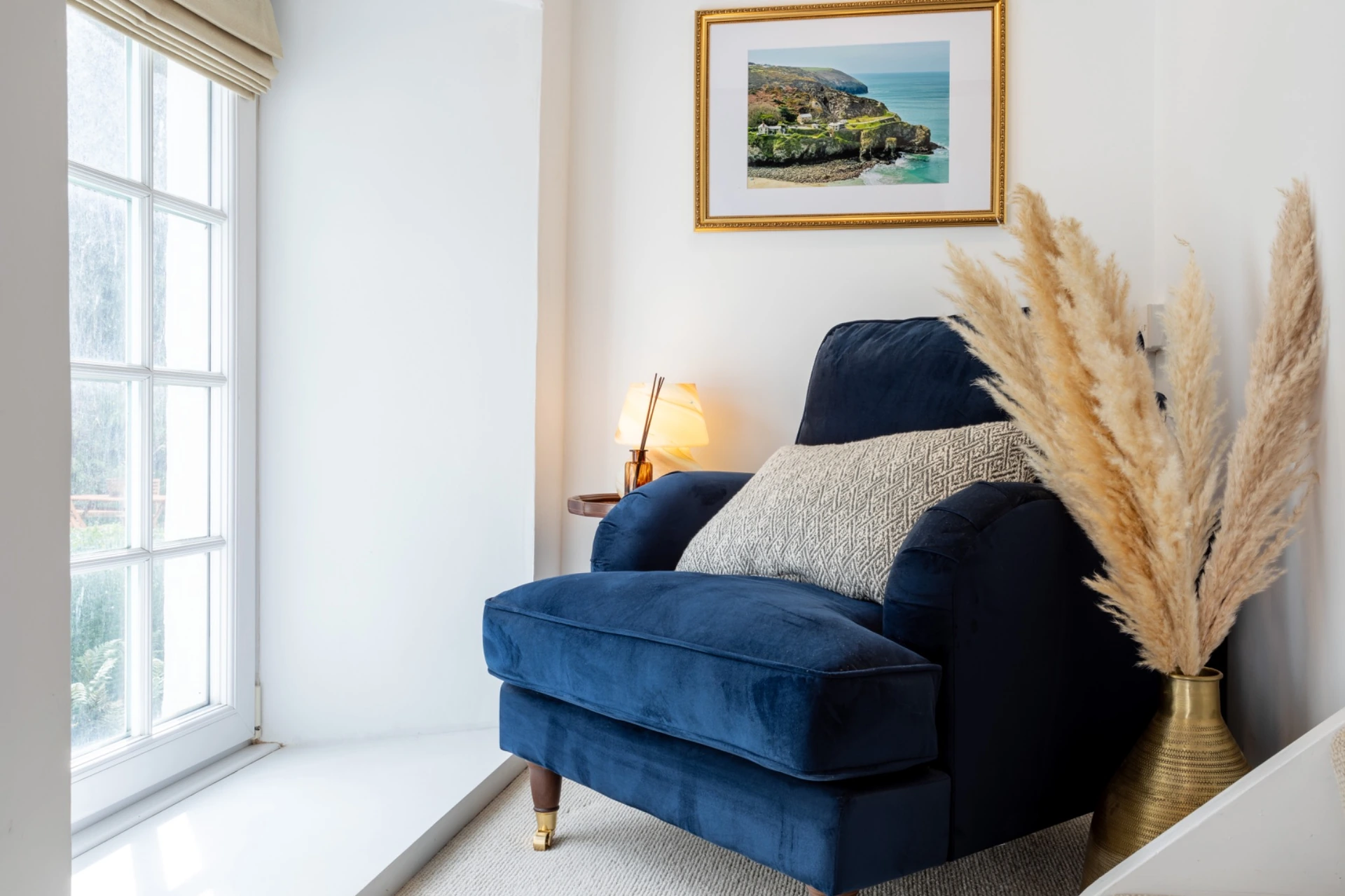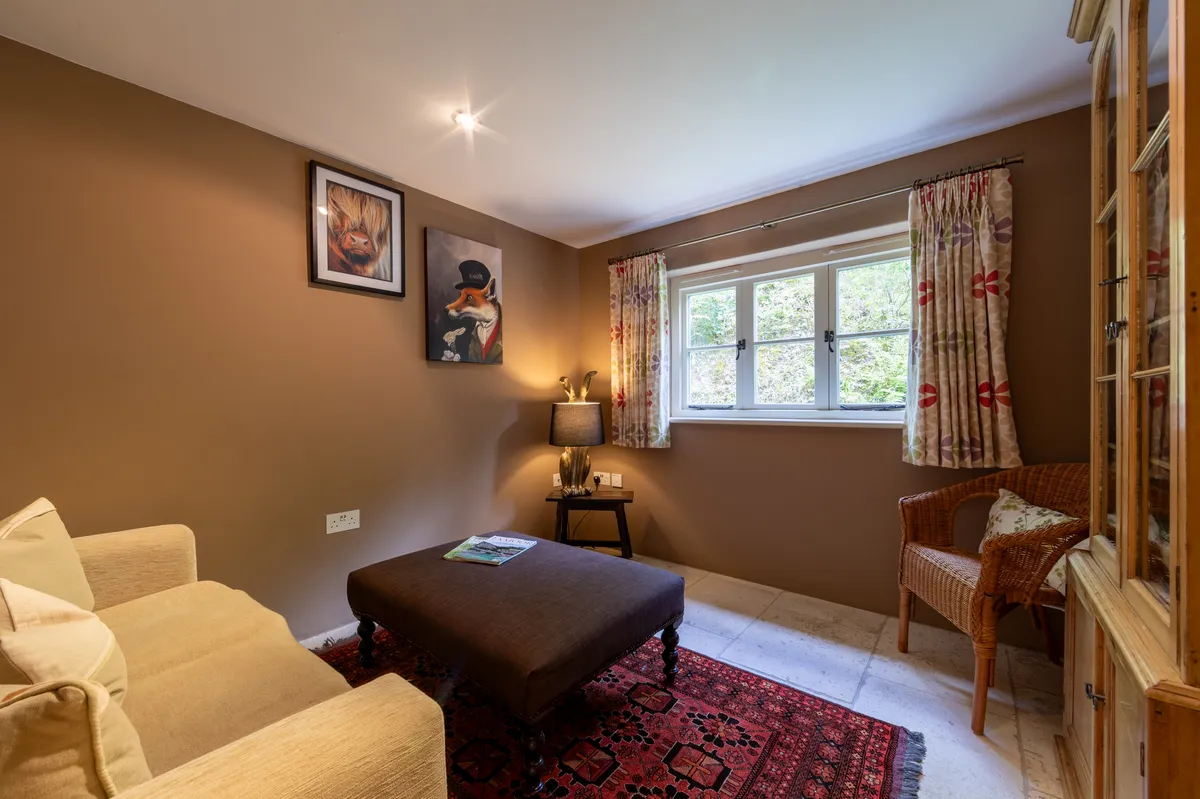

To make a small room appear more spacious in photographs, use a wide-angle lens with a focal length between 10-20mm and shoot from a corner or doorway to maximize the visible area. Enhance the sense of space by using plenty of natural and artificial light, decluttering the room, and maintaining a low camera height. This approach creates a bright, airy, and inviting image that accurately represents the property's potential.
As a property photographer with over 17 years of experience covering Somerset, Bristol, and Bath, I’ve seen my fair share of beautiful homes. From modern apartments in Bristol to charming cottages in the heart of Glastonbury, each property has its unique character. One of the most common challenges I encounter, especially in the lovely period properties scattered across Somerset, is photographing small rooms. A box room, a compact study, or a narrow ensuite can be tricky to capture in a way that feels spacious and inviting. But get it right, and you can transform a potential negative into a charming, cosy feature. Whether it's a compact Bristol terrace or a cosy Somerset cottage, these property photography tips work for any small space.
In this guide, I’m going to share some of my professional secrets on how to photograph small rooms effectively. These are techniques I use every day to help estate agents and homeowners present their properties in the best possible light.
01Master the Wide-Angle Lens
The single most important tool in your arsenal for small spaces is a wide-angle lens. It allows you to capture a much broader field of view than a standard lens, instantly making a room feel larger. However, it’s a tool that requires a delicate touch. My go-to lens is a 16-35mm, and I typically shoot between 17mm and 24mm. This range is the sweet spot for interiors.
It’s tempting to go as wide as possible, say 16mm or even wider, but this can lead to noticeable distortion. You’ll see walls starting to curve and furniture near the edges of the frame looking stretched and unnatural. The goal is to create a sense of space, not a funhouse-mirror effect. The key is to show as much of the room as possible while keeping everything looking realistic and proportionate.
02Get Your Camera Height Right
This is a subtle trick that makes a huge difference. Many amateur photographers make the mistake of shooting from eye level. When you do this in a small room, it can make the space feel cramped and can cause vertical lines (like walls and door frames) to converge, making them look like they’re falling backwards. This is a dead giveaway of an amateur shot.
My approach is to shoot from a lower vantage point, usually around chest or even waist height. I always use a tripod to ensure my camera is perfectly level. This lower angle has two benefits: it makes the room feel more expansive and it keeps all the vertical lines straight and true. It creates a more professional, architectural look that is far more pleasing to the eye.
03Decluttering is Non-Negotiable
I can’t stress this enough: you can have the best camera gear in the world, but if the room is cluttered, the photo will fail. Small spaces are incredibly sensitive to clutter. A few misplaced items that might go unnoticed in a large living room can completely overwhelm a small bedroom.
Before you even think about taking a picture, be ruthless with decluttering. Remove everything that isn’t essential. This includes personal photos, toiletries, piles of books, excess cushions, and any unnecessary furniture. You are creating a blank canvas. The goal is to allow potential buyers to envision their own lives in that space, not to give them a tour of your personal belongings. Think of it as staging the room for its big moment.
04Shoot from the Doorway
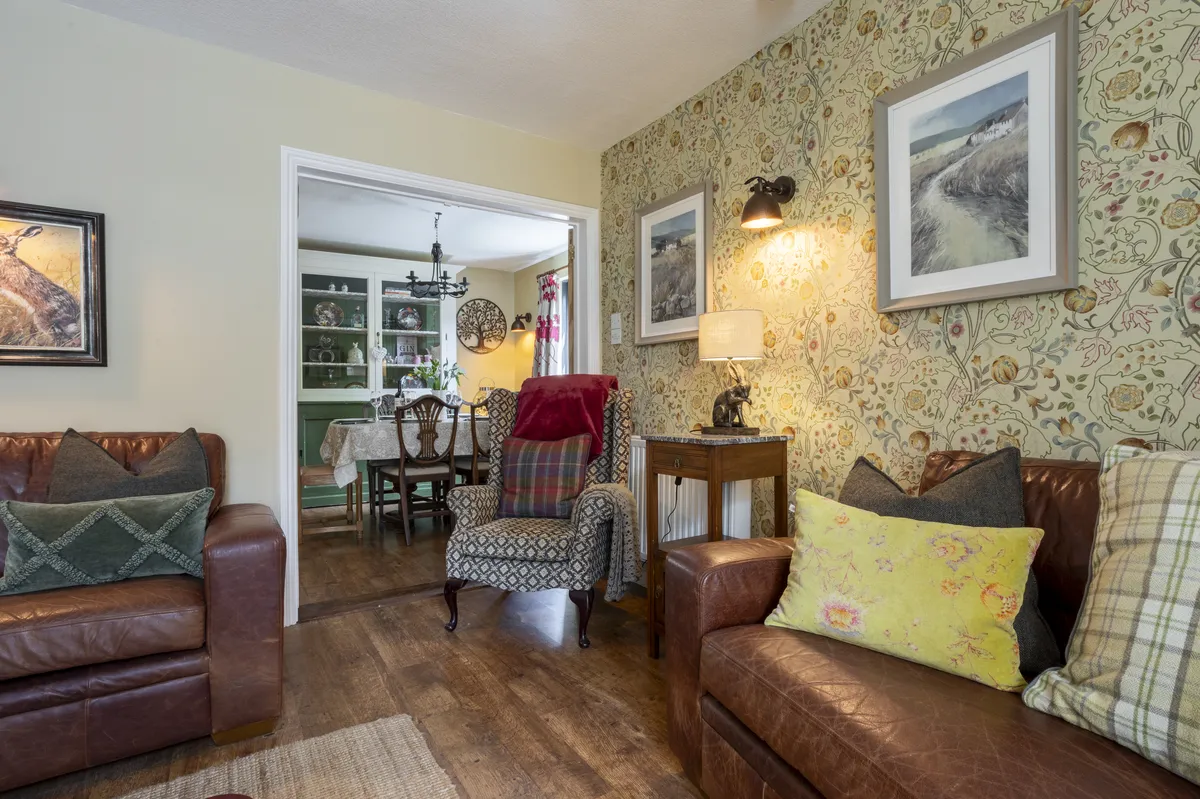
A classic and highly effective technique is to stand in the doorway and shoot into the room. This position naturally maximises the sense of depth and space. It uses the door frame to create a natural border for the image and draws the viewer’s eye into the heart of the room. By capturing the floor and the far corner, you create leading lines that enhance the feeling of spaciousness.
Sometimes, the best composition involves showing a small part of the hallway or landing outside the room. This can help to contextualise the space and make it feel more connected to the rest of the property, rather than just an isolated box.
05Vertical vs. Horizontal: A Strategic Choice
Most property photos are taken in a horizontal (landscape) format. This is generally the best way to capture the width and layout of a room. However, for small spaces, a vertical (portrait) shot can sometimes be a powerful alternative. If a room has a particularly high ceiling, a feature wall, or an interesting light fitting, a vertical composition can help to emphasise that height and draw the eye upwards, creating a different kind of spaciousness.
I often provide a mix of both. A primary horizontal shot shows the whole room, and a secondary vertical shot might focus on a specific feature, adding a touch of creative flair to the property listing.
06My Secret Weapon for Dark Rooms: HDR
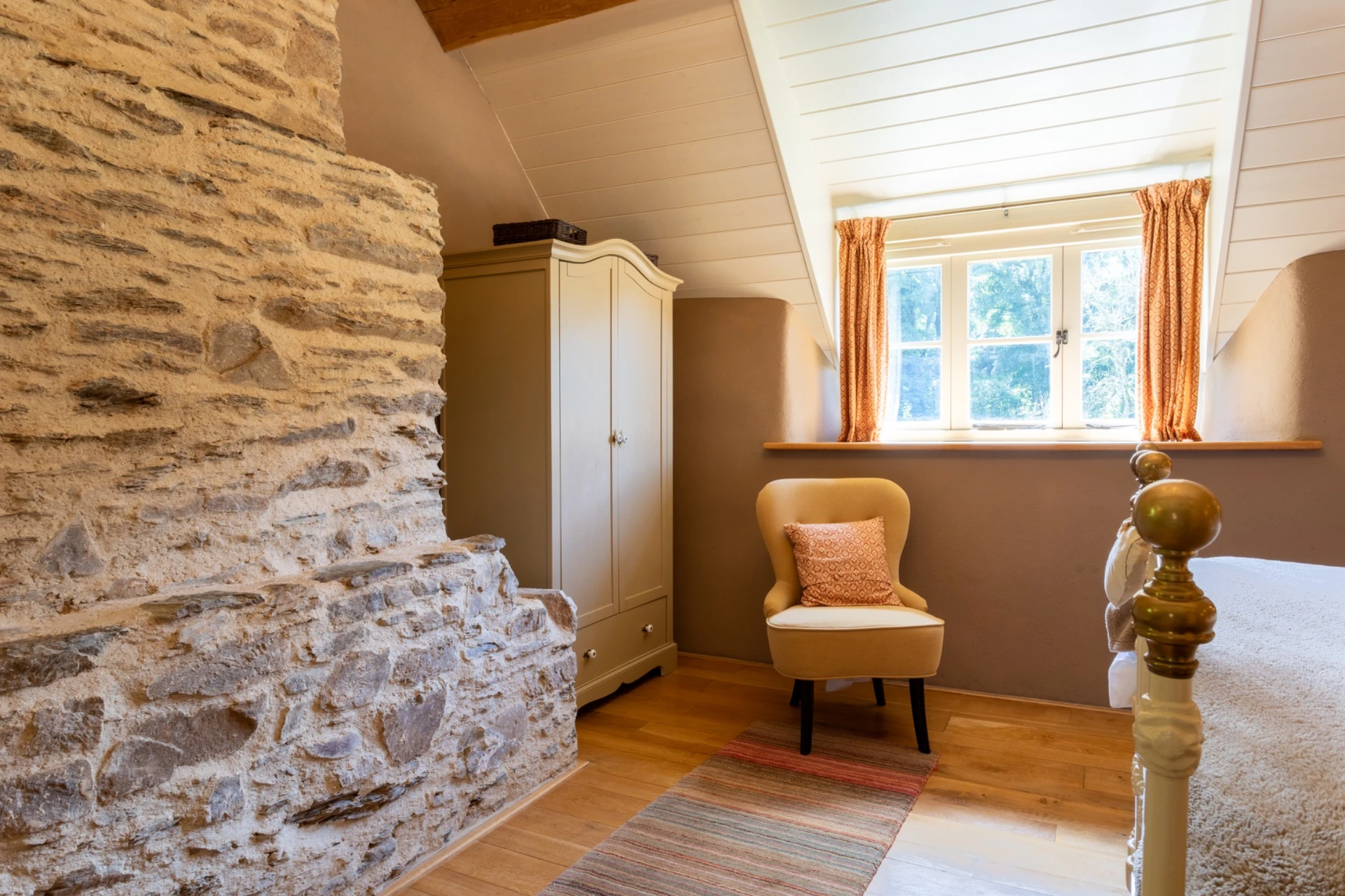
Small rooms often suffer from a lack of natural light, especially in older stone-built cottages you find around areas like Frome or Wells. You might have one small window and several dark corners. Some photographers tackle this with complex flash setups, a technique known as ‘flambient’ photography. It can be very effective, but my personal preference has always been to work with natural light wherever possible.
This is where my High Dynamic Range (HDR) technique comes in. Instead of using one single exposure, I take multiple bracketed shots, typically five, at different brightness levels. I then blend these images together in post-production. This process allows me to capture all the detail from the darkest shadows to the brightest highlights, creating a final image that is incredibly detailed, balanced, and, most importantly, looks completely natural. It ensures that even the darkest corner of a small room is visible, without the artificial look that flash can sometimes create.
Related reading: Kitchen and Bathroom Photography Tips | Lighting Guide for Property Photography
07Putting It All Together
Photographing small rooms is a puzzle. It’s about combining these techniques, a wide-angle lens, a low camera height, ruthless decluttering, and smart use of light, to create an image that is both honest and aspirational. It’s about showing a space not just as it is, but as it could be: a cosy, functional, and inviting part of a home.
While these tips can certainly help you take better photos, the expertise of a professional can make a significant impact on your property’s marketing. If you have a property in Somerset, Bristol, or Bath and want to ensure every room looks its absolute best, please don’t hesitate to get in touch. I’d love to help.
Want to see these techniques in action? Browse my property photography across Somerset, Bristol and Bath or get in touch for a quote.