
Photographing kitchens and bathrooms effectively involves preparing the space by decluttering and cleaning, then using a mix of natural light and bounced flash to create a bright, even look. Use a wide-angle lens from a low vantage point to make the rooms feel larger, keeping vertical lines straight to avoid distortion. Highlight premium features like faucets, tiles, and countertops with detailed close-up shots to attract potential buyers.
As a property photographer with over 17 years of experience covering Somerset, Bristol, and Bath, I've seen what makes a property listing truly stand out. While every room has its role, there's a golden rule in this business: kitchens and bathrooms sell homes. These are the rooms that capture a buyer's imagination and often seal the deal. They are the most expensive to renovate, so a great set of photos showing them at their best is not just a bonus; it's essential. Kitchens and bathrooms sell homes, and as a property photographer in Somerset, I know how to make them look their best.
In this guide, I'll walk you through some of my professional tips for photographing these crucial spaces, ensuring they look as aspirational and inviting as possible to potential buyers.
01Why These Rooms are the Stars of the Show
Think about your own experience when browsing for property. Where do your eyes go first? After the initial exterior shot, it's almost always the kitchen. It's the heart of the home, a hub of daily activity, and a place where families gather. Buyers aren't just looking at cupboards and worktops; they're picturing themselves making breakfast, hosting dinner parties, and living their life in that space.
A beautiful, well-photographed bathroom evokes a sense of sanctuary and luxury. It’s a private retreat. A clean, bright, and modern bathroom suggests the home has been well-maintained, while a poorly lit or cluttered one can be a major red flag. Because these rooms are so costly to update, buyers are looking for reassurance that they won't need to spend a fortune right after moving in. Your property photos are your first and best chance to provide that reassurance.
02The Kitchen Hero Shot: Finding the Perfect Angle
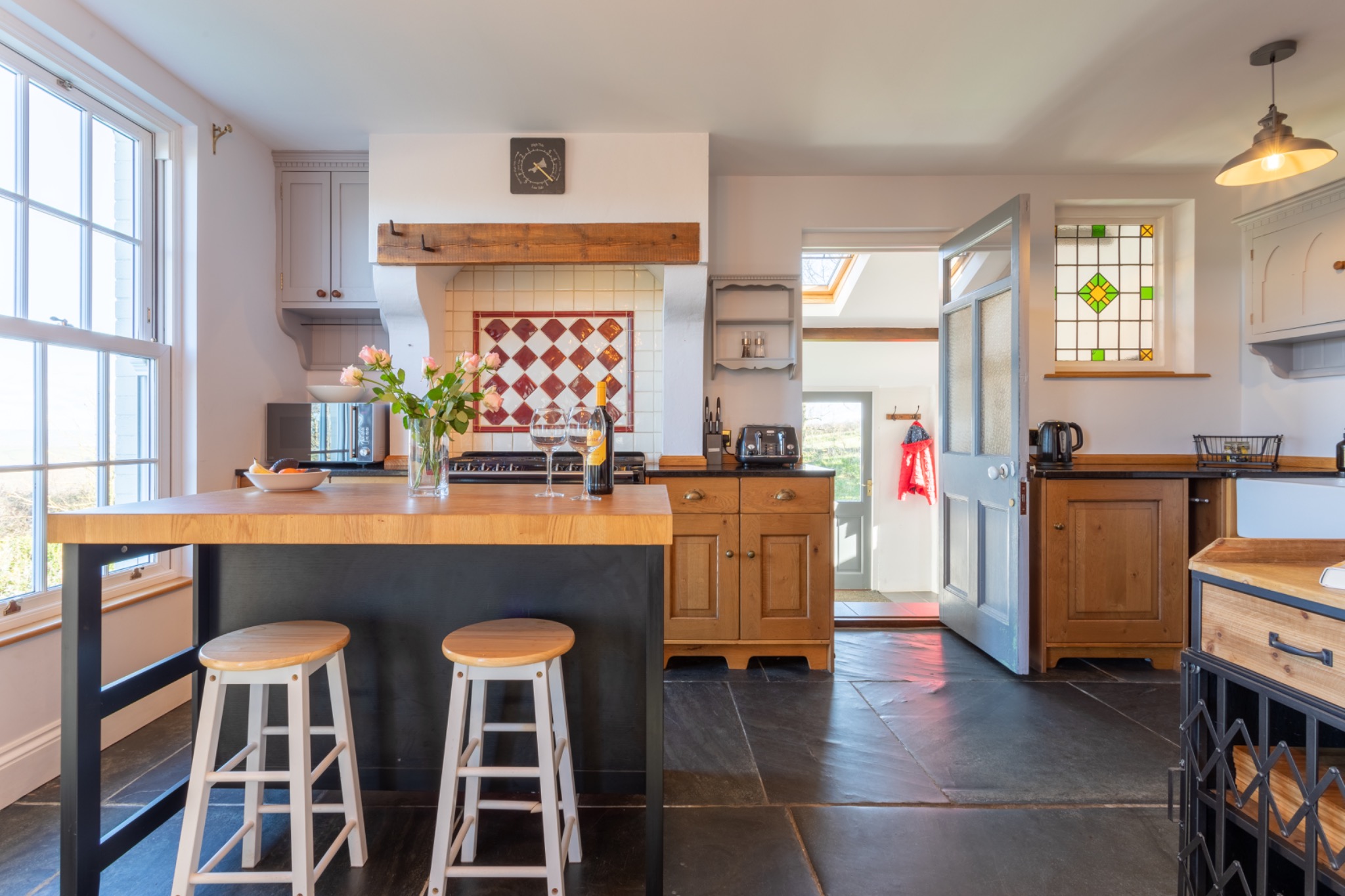
Every kitchen has a ‘hero shot’ – the one angle that captures its best features in a single frame. My goal is always to find this shot first. Typically, it’s a wider view from a corner or doorway that shows the flow of the room, the quality of the worktops, and the main appliances. I want to create a sense of space and light.
To achieve this, I use a wide-angle lens, but carefully. Too wide, and you get distortion that makes the room feel unnatural. The key is to keep the camera level and shoot from a height that feels natural – usually around chest height. This prevents the vertical lines of cabinets and doorways from converging, which is a tell-tale sign of amateur photography.
My preferred method is to use natural light wherever possible. I’ll open all the blinds and turn on all the lights to create a bright, airy feel. Then, I use my High Dynamic Range (HDR) technique. This involves taking multiple photos at different exposures and blending them together. It allows me to capture all the detail, from the bright light coming through the window to the subtle textures of the cabinetry in the shadows, without any area being too dark or blown out. It creates a much more natural and appealing look than using a harsh flash.
03Worktop Styling: Less is More
Clutter is the enemy of good property photography. Before I even take my camera out, I advise homeowners to completely clear their worktops. We want to show off the surface area, not the owner's collection of kitchen gadgets.
Once cleared, we can be selective about what we add back. A few carefully chosen items can add a touch of life and colour. Think:
- A bowl of fresh fruit (lemons or green apples work well).
- A high-quality chopping board with a new-looking knife.
- A stylish coffee pot or kettle.
- A small, healthy-looking plant or a vase of fresh flowers.
The key is to keep it minimal and aspirational. We are selling a lifestyle, not just a kitchen.
04Tackling Bathroom Challenges: Small Spaces and Reflections
Bathrooms present their own unique set of challenges. They are often the smallest rooms in the house, and they are filled with reflective surfaces like mirrors, chrome taps, and glossy tiles. This can be a photographer’s nightmare.
My approach is similar to the kitchen: find the best angle to maximise the sense of space. This often means shooting from the doorway, looking in. Again, keeping the camera perfectly level is crucial to ensure the walls and tiles look straight and true.
Mirrors are the biggest hurdle. You have to shoot in a way that you don’t end up with a selfie in the final image! This requires careful positioning, often shooting from an angle where my reflection is hidden by the edge of the mirror or a doorway. Sometimes, it involves a bit of post-production magic to remove any stray reflections, but getting it right in-camera is always the goal.
Steam is another issue. I always make sure the room is well-ventilated and any steam has cleared before I start shooting. We want crisp, clear shots, not a foggy mess.
For lighting, I again rely on natural light and my HDR techniques. Many bathrooms, especially in the beautiful period properties we have across Somerset and Bath, can be quite dark. A single flash can create harsh glare on tiles and mirrors. By blending multiple exposures, I can create a bright, clean, and evenly lit image that feels welcoming and luxurious, showcasing the space without any distracting hotspots or deep shadows.
05Common Mistakes to Avoid
I often see the same mistakes in property listings. Here are a few to watch out for:
- Leaving the toilet seat up: It’s a small detail, but it looks incredibly unprofessional. Always put it down.
- Cluttered surfaces: As mentioned, clear away everything. Toothbrushes, shampoo bottles, and dish soap have no place in your photos.
- Wonky angles: Photos taken from a low or high angle distort the room. Keep the camera level.
- Bad lighting: Dark, shadowy photos are a huge turn-off. Photos with harsh flash glare are just as bad. The goal is bright, soft, and even light.
- Forgetting the details: Don’t just take wide shots. Capture close-ups of nice features like taps, tiles, or a high-end oven. These details can signal quality to a buyer.
Related reading: Whether to Use Lights On or Off | Tips for Photographing Small Rooms
06Staging for Somerset Style: Period vs. Modern
One of the things I love about working in this part of the world, from the Georgian terraces of Bath to the charming cottages in villages like Wedmore and Cheddar, is the variety of properties. Staging a kitchen or bathroom should respect the style of the home.
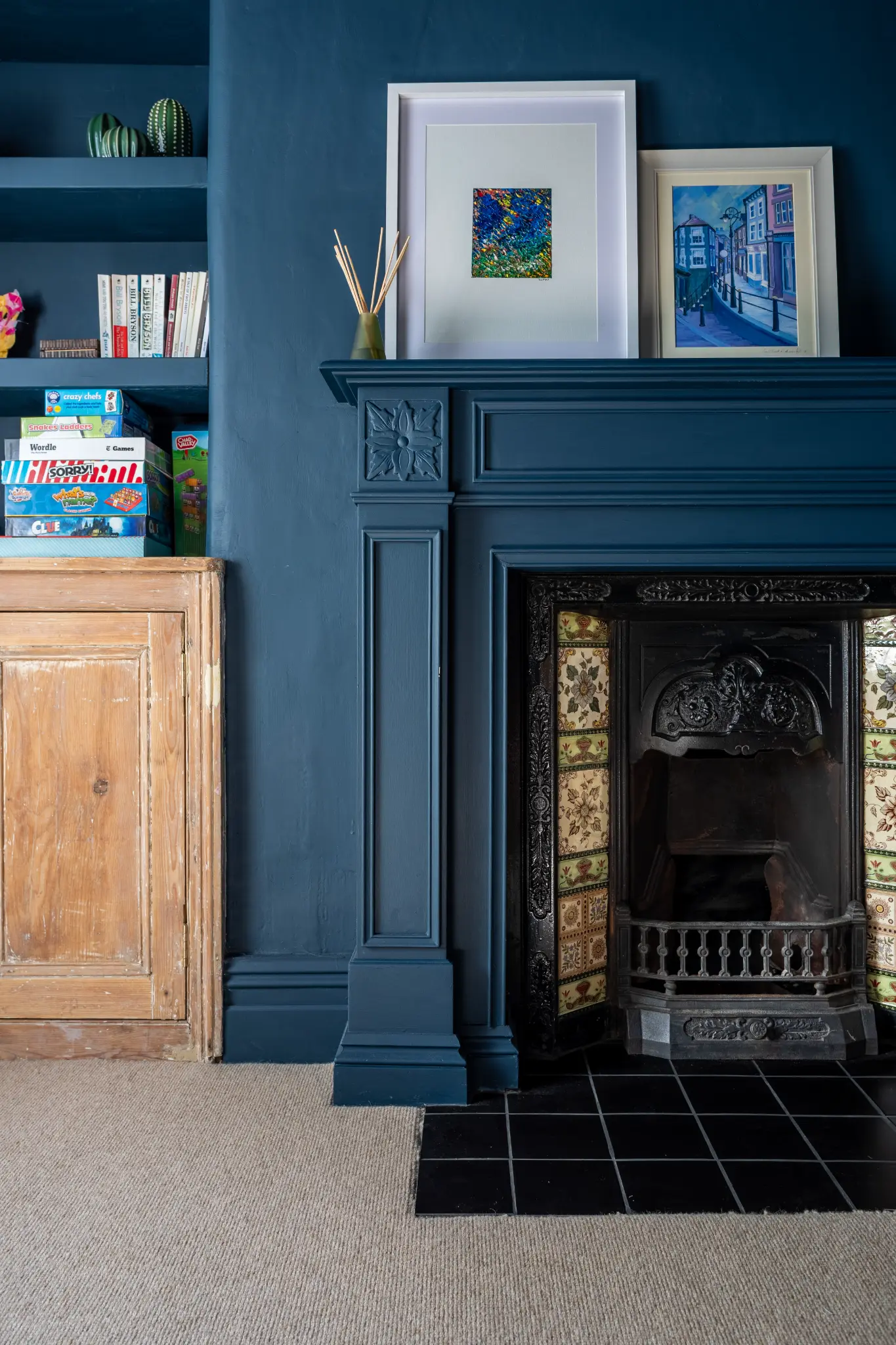
For a period kitchen, like you might find in a Frome townhouse, we want to enhance its character. We might use some rustic elements like a wooden breadboard, some classic Le Creuset cookware, or a vintage-style kettle. We want to complement the flagstone floors or original beams, not fight against them. The lighting here is key to bringing warmth to the space.
For a modern kitchen in a new-build in, say, Keynsham or a new development in Bristol, the look is all about clean lines and minimalism. Here, less is definitely more. A simple orchid, a high-tech coffee machine, and perhaps a single cookbook on a stand is all you need. The focus is on the sleek surfaces and integrated appliances.
By tailoring the staging to the property’s character, we create a more cohesive and attractive image that resonates with the right kind of buyer.
Getting the photography right in these key rooms can make a monumental difference to your property listing. It can attract more viewings, generate higher offers, and ultimately lead to a faster sale. It’s an investment that pays for itself many times over.
If you’re selling your property in Somerset, Bristol, or Bath and want to make sure your kitchen and bathroom look their absolute best, please get in touch. I’d love to help you capture the true potential of your home.
Based locally and covering the whole of Somerset, Bristol, and Bath. View my property photography across Somerset, Bristol and Bath or get in touch to arrange a shoot.