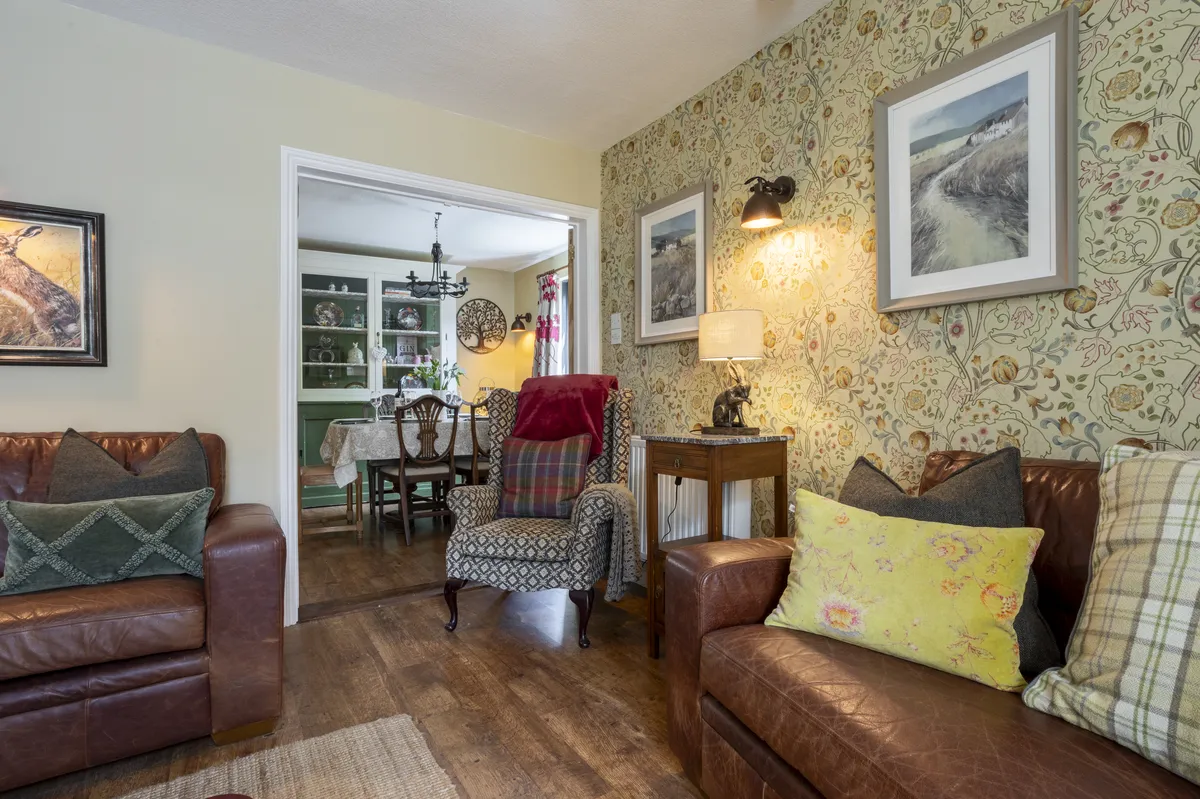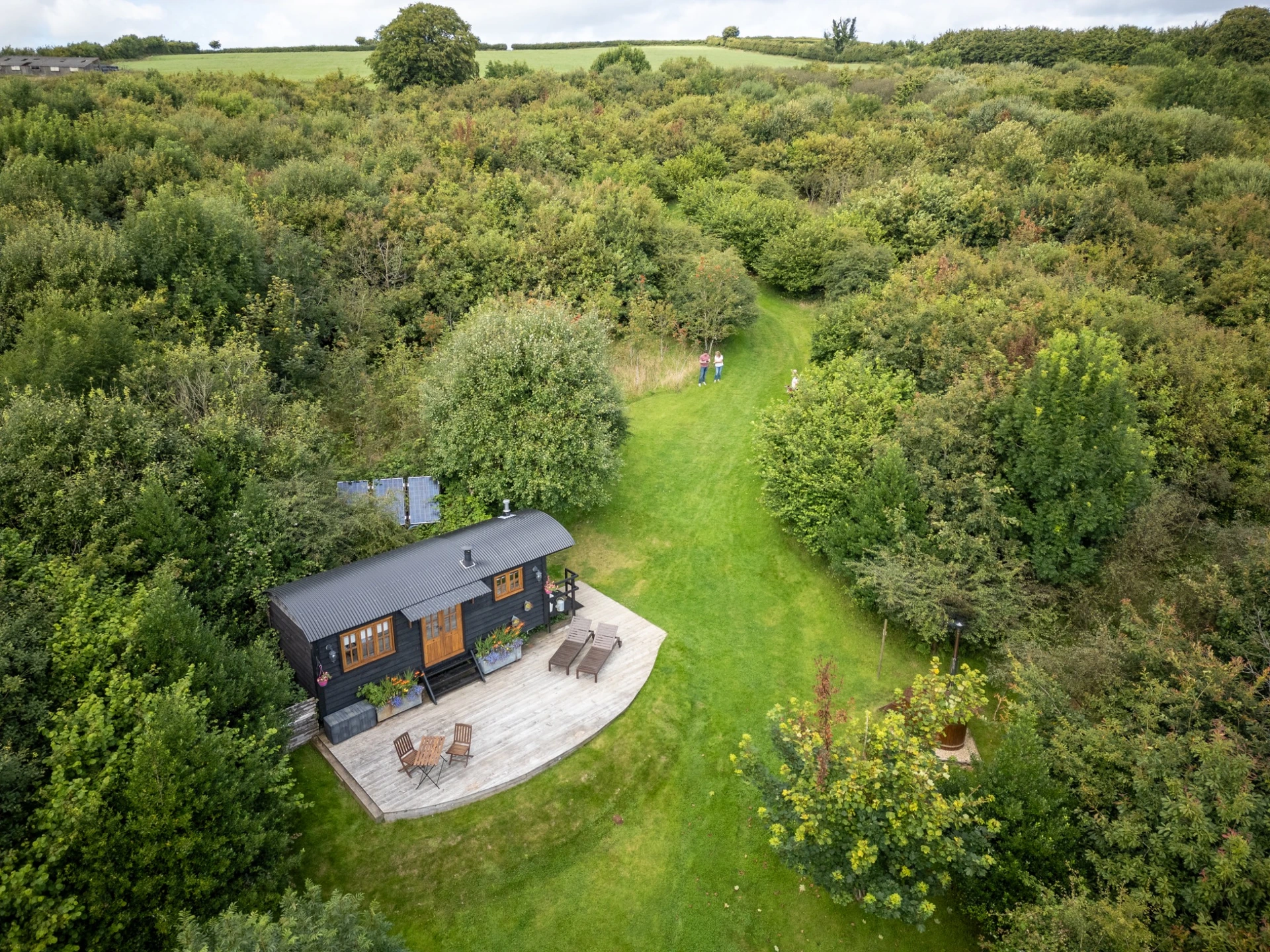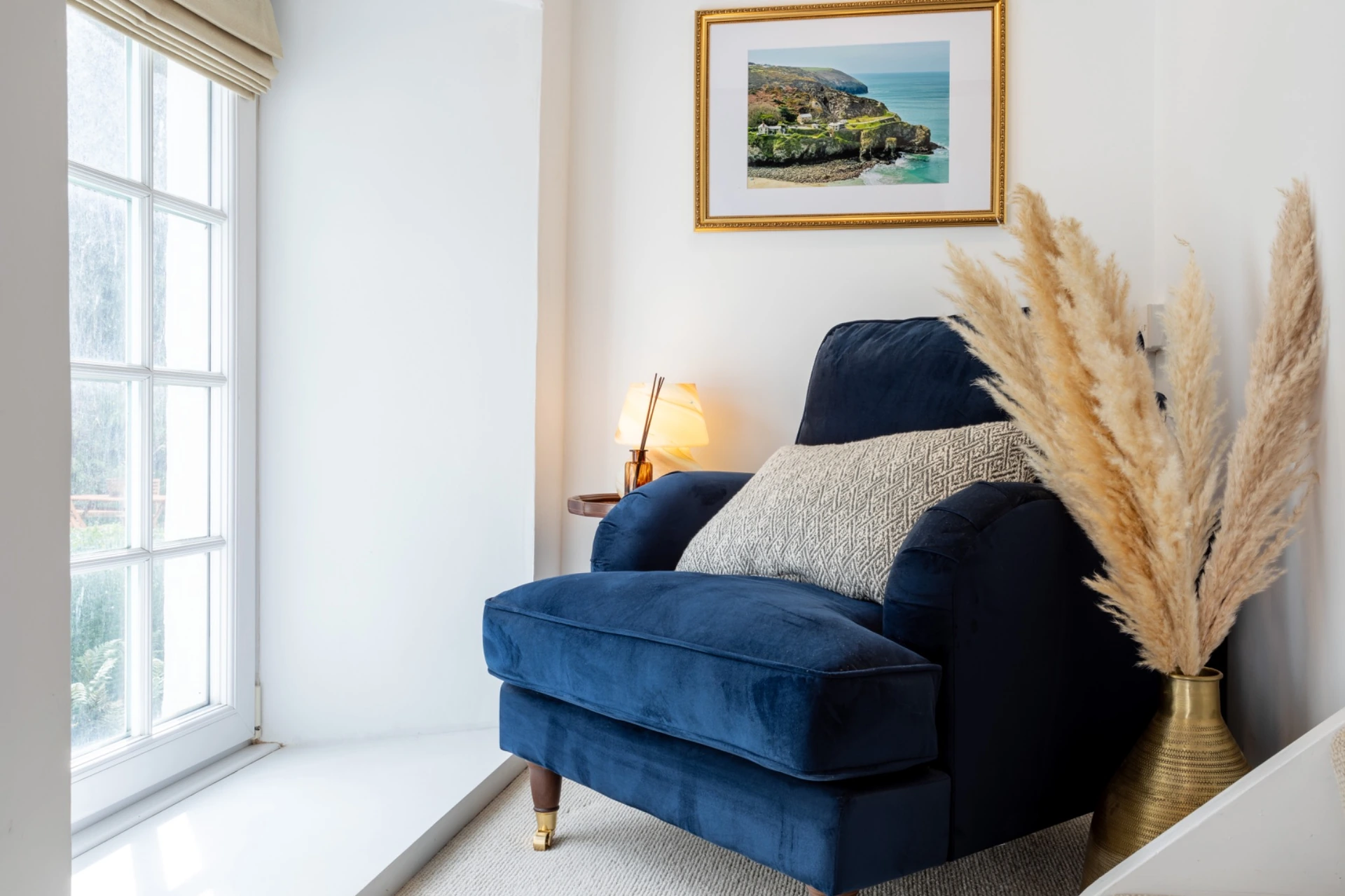

To prepare your property for a professional photography shoot, focus on three key areas: decluttering and depersonalising every room to create a sense of space, deep cleaning all surfaces including windows, kitchens, and bathrooms, and maximising light by opening all curtains and turning on every light. Stage key areas with fresh flowers, neutral bedding, and a tidy fruit bowl. Remove personal photos, pet items, toiletries, and bins. On the day, leave parking space for the photographer and allow 90 minutes to 2 hours for the shoot. This comprehensive preparation is the single most impactful thing you can do to achieve better property photos and a faster sale.
Preparing your property for a professional photography shoot is one of the most impactful things you can do to sell or let it faster. As a property photographer who has shot hundreds of homes across Somerset, Bristol, and Bath, I can tell you that the difference between a well-prepared home and an unprepared one is dramatic, not just in the photos, but in the results they achieve.
Great property photography is a team effort. Your preparation and my photography skills work together to create images that stop people scrolling. In a crowded market, especially in competitive areas like Bristol and Bath, professional photos are your number one marketing tool. They are the first impression potential buyers will have of your home, and I want that impression to be a fantastic one.
This comprehensive guide brings together everything I've learned from years of experience into one definitive checklist. Whether you're a homeowner selling for the first time, an estate agent preparing a client's property, or a landlord marketing a rental, follow these steps and you'll be amazed at the difference it makes.
01Why Preparation Matters
Consider this: a potential buyer's journey almost always begins online. Before they schedule a viewing, before they speak to an agent, they will scroll through countless listings. Your property's photographs are your single most powerful tool to make them stop and take notice. Exceptional images can evoke a feeling of warmth, space, and desirability, compelling a buyer to learn more. Conversely, poorly lit, cluttered, or unprofessional photos can instantly devalue a property, making it appear smaller, darker, and less appealing.
My role as your photographer is to capture your property in its best possible light. However, I can only photograph what's there. If a room is cluttered, dark, or untidy, the photos will reflect that. Think of it like showing up for a professional portrait session, you'd brush your hair and wear your best clothes. Preparing your home for a photoshoot is the same principle.
02Decluttering: The Most Important Step
The absolute number one priority is to declutter. This is the single most transformative thing you can do. We're aiming for a 'show home' look, not a 'lived-in' one. Potential buyers need to be able to mentally place their own belongings into the space, and that's hard to do if it's full of personal items.
A Philosophy of 'Less is More'
Depersonalise with purpose. Pack away personal photographs, children's drawings, and unique collections. While these items are precious to you, they can prevent buyers from forming their own emotional connection to the space. You want them to see a beautiful house, not a stranger's home.
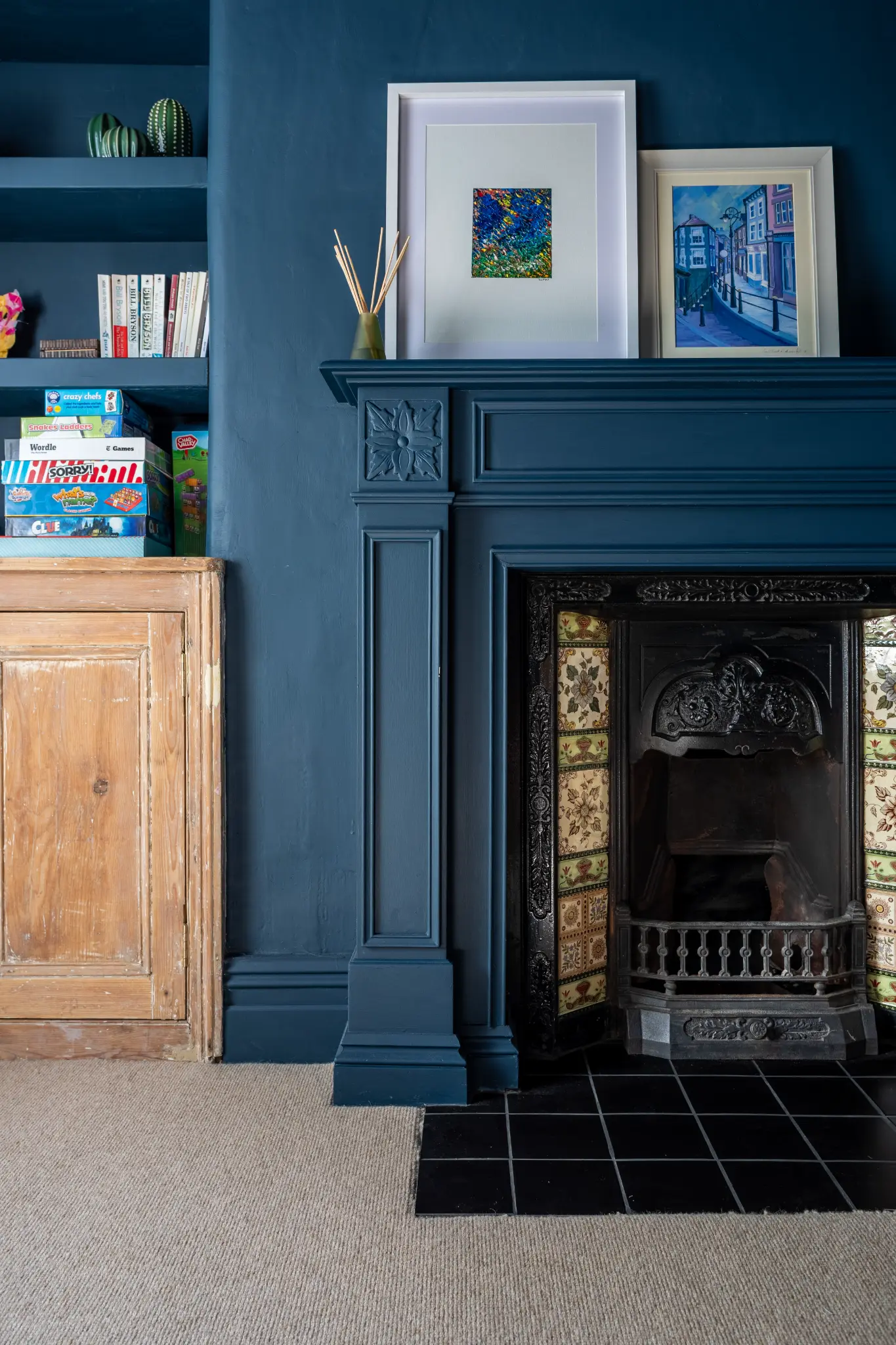
Conquer the surfaces. Countertops, tables, desks, and windowsills should be almost entirely clear. A few carefully chosen decorative items, a stylish coffee table book, a simple vase, can add personality without creating clutter.
The closet check. Buyers are notoriously curious. They will open closets, cupboards, and pantries. An overflowing closet suggests a lack of storage space, which is a major red flag. Organise these spaces to appear neat and spacious, even if it means temporarily storing some items elsewhere.
Create a pet-free zone. We all adore our furry family members, but their presence can be a distraction in photos. Tuck away pet beds, food and water bowls, toys, and litter trays before the photoshoot.
Don't just hide things in cupboards, use boxes and temporarily store them in the garage, a friend's house, or a spare room that isn't being photographed. It might feel a bit strange living in such a minimalist space for a day or two, but I promise you, it's worth it for the final images.
03Deep Cleaning: Every Detail Counts
Think 'spotless'. A deep clean is essential. My high-resolution camera will pick up every detail, including dust, smudges, and stains you might not normally notice. Buyers will zoom in on the photos online, so I need to make sure everything is pristine.
Windows: Clean them inside and out. This makes a huge difference to the light coming into the room. Sparkling clean glass lets the light flood in and makes exterior shots look crisp.
Surfaces: Dust and polish all surfaces, including skirting boards, light fittings, and picture frames.
Floors: Hoover and mop all floors. If you have carpets, consider getting them professionally cleaned if they have any stubborn stains.
Kitchen: Clean all appliances until they sparkle, the hob, oven, extractor fan, and sink. Make sure there are no dishes in the sink or on the draining board.
Bathroom: Clean the toilet, shower, bath, and sink until they are gleaming. Remove all personal toiletries, no one wants to see shampoo bottles and toothbrushes. A pristine, spa-like bathroom looks amazing in photos. Put out fresh, clean towels (preferably plain and neutral-coloured).
04Lighting: Illuminating Your Home's Best Features
Light is the most important ingredient in photography, and I want as much of it as possible. While I bring professional lighting equipment to every shoot, your preparation can significantly enhance the final result.
A symphony of lights. Before my arrival, please conduct a full 'light check'. Turn on every single light in the house, from overhead fixtures and lamps to under-cabinet and accent lighting. This layering of light sources creates a warm, welcoming, and luxurious feel.
The bulb audit. Take a moment to check for any burnt-out bulbs and replace them. It's also crucial to ensure that all bulbs in a single room are of the same colour temperature. A mix of warm and cool white bulbs can create an inconsistent look in photos.
Open all curtains and blinds. We want to flood every room with natural light. Make sure they are hanging neatly. Even if I'll be using professional lighting techniques, natural light creates the warm, welcoming feel that buyers respond to.
05Room-by-Room Preparation Checklist
The Kitchen
- Clear countertops completely. A coffee machine and a neat fruit bowl are acceptable, but everything else should be stored away
- Remove all magnets, photos, reminders, and calendars from the refrigerator door
- Deep clean all appliance surfaces, the oven, hob, extractor fan, and microwave should be spotless
- Hide all dishes, tea towels, cleaning sprays, and sponges. The sink should be empty and gleaming
The Living Room
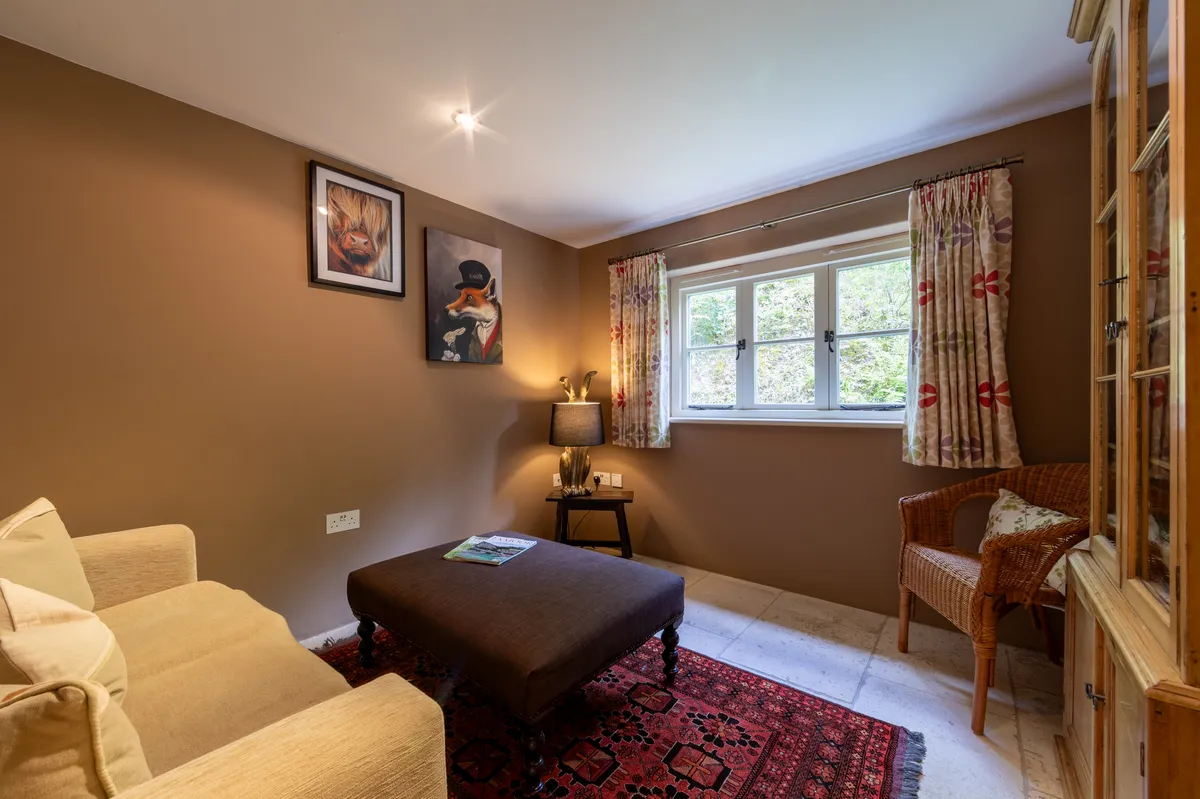
- Remove all clutter from coffee tables, side tables, and shelves. Leave only a few curated decorative items
- Plump up all cushions and neatly fold any throws or blankets
- Arrange furniture to create an inviting conversation area, resist the urge to push everything against the walls
- Conceal all remote controls, magazines, newspapers, and personal electronic devices
The Dining Room
- Set the table with a simple, elegant place setting for two or four people
- A single, tasteful centrepiece, a vase of flowers or a modern candle holder, is sufficient
- Ensure all chairs are pushed in neatly and are evenly spaced around the table
The Bedrooms
- Make the beds with fresh, crisp, and preferably neutral-coloured linen. A well-made bed is crucial
- Clear bedside tables of everything except a lamp and perhaps a single book
- Ensure all clothing, shoes, and personal items are put away out of sight
- Tidy wardrobes and closets, as potential buyers may look inside
- Add a couple of decorative cushions and a throw to make the bed look inviting
The Bathrooms
- Clear countertops of all toiletries. Store toothbrushes, razors, and personal care products in a cabinet
- Thoroughly clean the sink, toilet, shower screen, and bath until surfaces are sparkling
- Hang a fresh, clean set of matching towels. Avoid bold patterns
- Remove old toilet brushes and any bath mats from the floor
The Exterior
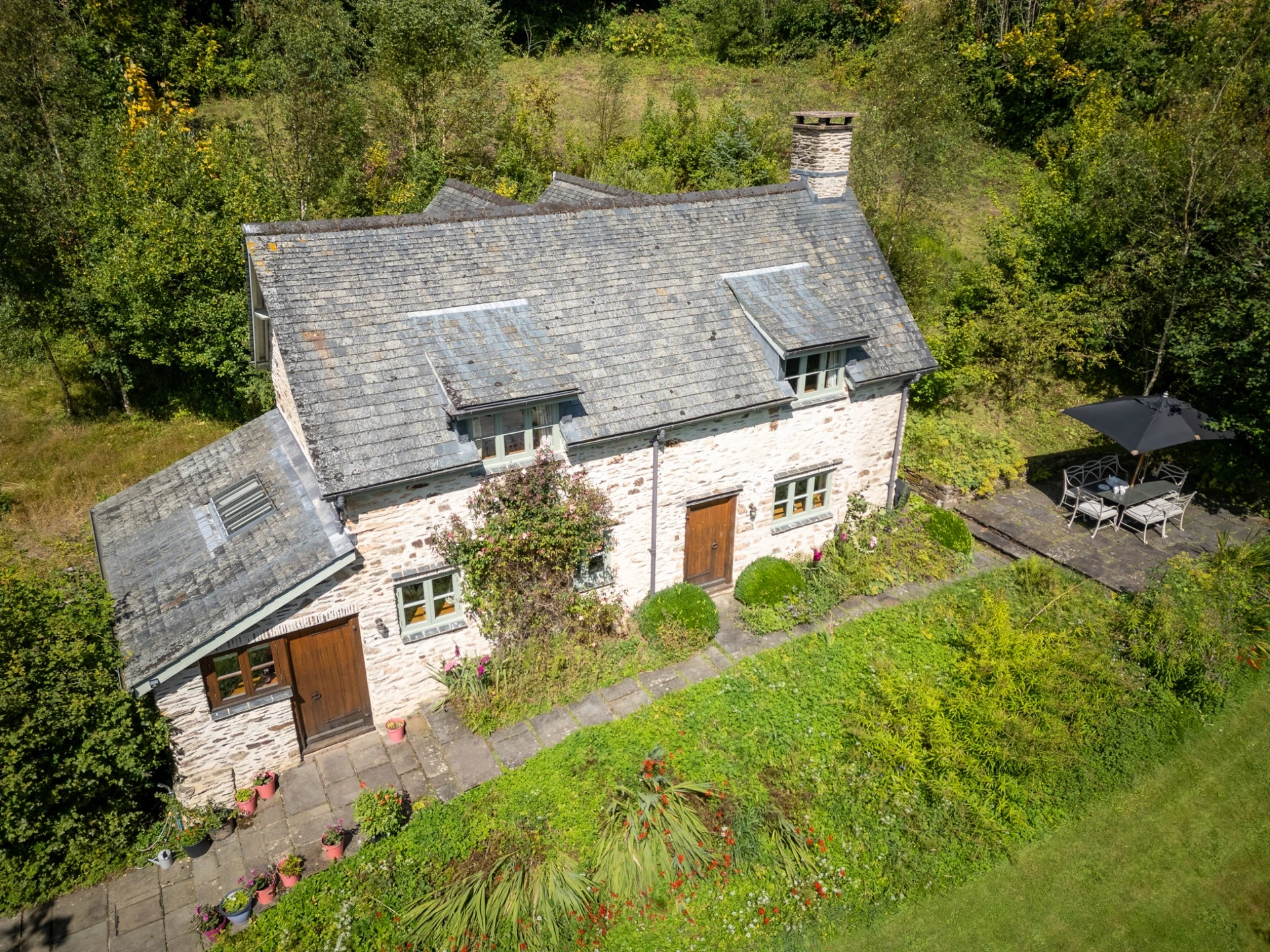
- Mow the lawn and ensure all garden edges are neatly trimmed
- Weed flower beds, prune overgrown shrubs, and add a fresh layer of bark or mulch if needed
- Store away all gardening tools, children's toys, bicycles, and wheelie bins
- Sweep all paths, patios, and the driveway. Consider a pressure wash for stubborn stains
- Clean the front door, polish the handle and letterbox, and ensure any external lights are clean and working
- Move cars off the drive if possible, especially for exterior and drone shots
06Staging: Adding the Finishing Touches
With the clutter gone and everything clean, you can focus on staging. Staging is the art of adding small touches that make your home feel more appealing and aspirational. You don't need to spend a fortune, effective staging is about using what you have to its best advantage.
Fresh flowers. A simple vase of fresh flowers on a dining table or coffee table can bring life and colour to a room.
Fruit bowl. A bowl of fresh fruit (like green apples or lemons) in the kitchen adds a nice touch.
The power of green. Introducing plants is one of the easiest and most effective staging tricks. A splash of green can bring life, colour, and a sense of freshness to any room.
Set the scene. You could set the dining table for a meal (keep it simple, just placemats, plates, and glasses). In the living room, have a couple of art books on the coffee table.
Outdoor staging. Consider adding outdoor cushions on garden furniture, a potted plant by the door, or a neatly set table to make the garden feel like an extension of the living space.
The key is not to overdo it. We want it to look natural and aspirational, not staged and fake.
07What to Hide: The Quick-Fire List
Make these items disappear before I arrive:
- Personal photos and family memorabilia
- Pets' belongings, food bowls, beds, toys, litter trays
- All toiletries, shampoo, shower gel, toothbrushes
- Fridge magnets and children's drawings
- Drying racks with laundry
- Piles of mail and paperwork
- Remote controls, phone chargers, and loose wires
- All kitchen and bathroom bins
- Wheelie bins and recycling boxes
08What About Pets?
I love pets, but a photoshoot is not the best time for them to be around. It's best to arrange for them to be out of the house for the duration of the shoot. This is for two reasons: firstly, it avoids them accidentally getting in the shot. Secondly, and more importantly, it's a matter of safety, I'll be moving around with expensive camera equipment and tripods, and it can be a hazard for both me and your furry friends.
09What Not to Worry About
Don't stress about minor imperfections. Small marks on walls, slightly worn carpets, or dated fixtures are things that professional editing and careful composition can minimise. Focus your energy on cleanliness and decluttering, these make the biggest visual impact.
Also, don't worry about the weather. While sunshine is lovely, I shoot in all conditions and can replace overcast skies with blue ones in post-production. The interior shots, which are often the most important, aren't affected by the weather at all.
10On the Day of the Shoot
Parking. If you have a driveway, please leave a space for me. I'll have a fair bit of equipment to bring in, so being able to park close to the property is a huge help. If there's no driveway, just let me know the best place to park nearby.
Final walk-through. When I arrive, I'll do a quick walk-through with you to identify anything that might need adjusting. I might move a piece of furniture slightly, adjust a lamp, or suggest tucking something out of frame. This is all part of the service, my goal is to make your property look its absolute best.
You don't need to stay. As long as I can get access to the property, you're welcome to leave me to it. Many clients prefer to go out for a coffee or run some errands. Just make sure you've done all the preparation before you leave.
Timing. The whole shoot typically takes between 45 minutes and 2 hours depending on the property's size, and you'll have your fully edited photos back within 48 hours (express 24-hour turnaround available).
A little preparation goes a long way. The time you invest now will be reflected in the quality of the photographs, which will ultimately help you achieve a faster sale and a better price. If you're ready to get your property on the market and want photos that do it justice, get in touch or check out the pricing page. My packages start from just £149, and I can help you decide which one is right for you. Let's work together to make your property shine.
For a more detailed room-by-room decluttering guide, check out my Decluttering for Property Photos: A Room-by-Room Checklist.
Want to see these techniques in action? Browse my property photography across Somerset, Bristol and Bath or get in touch for a quote.