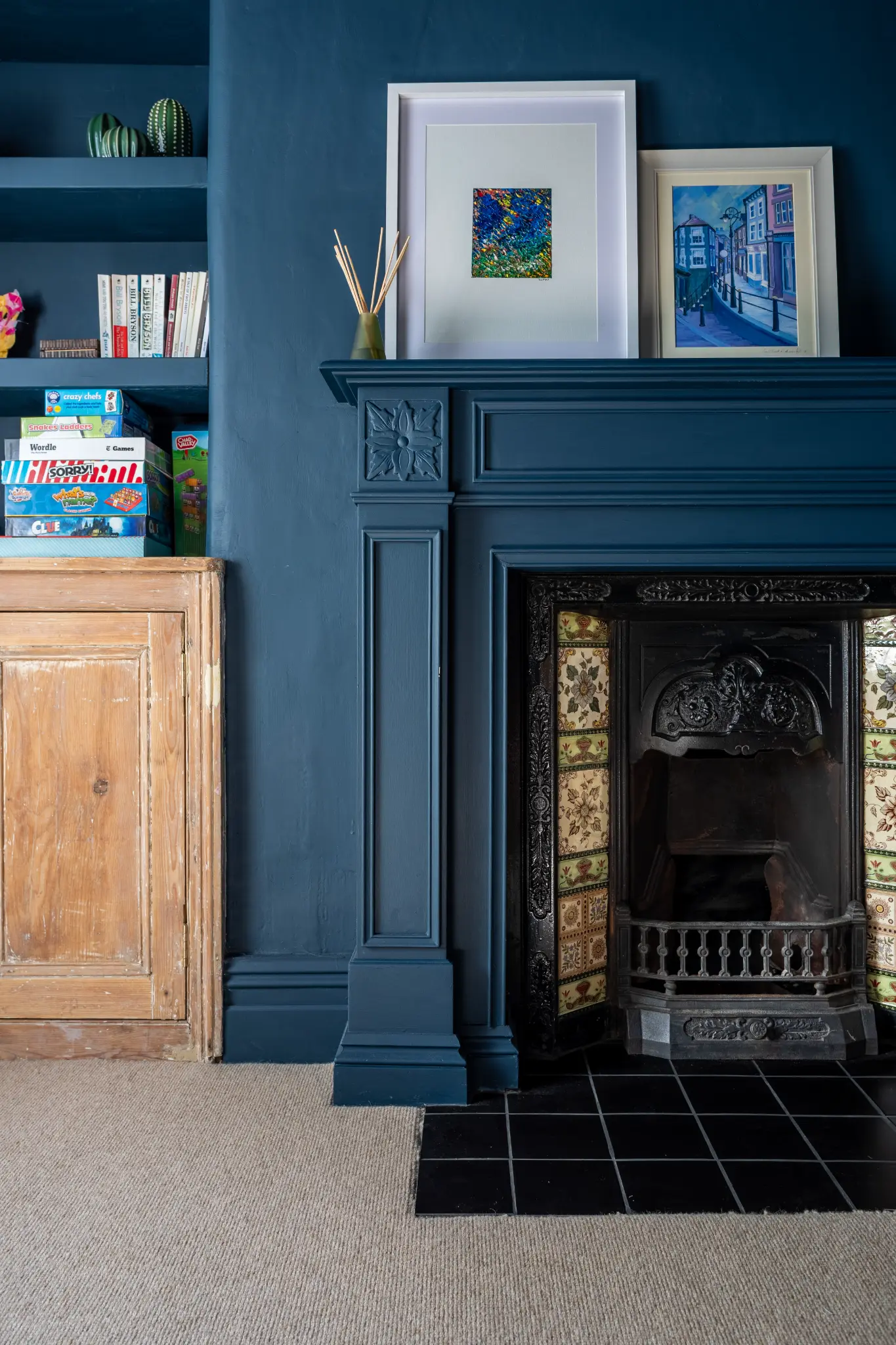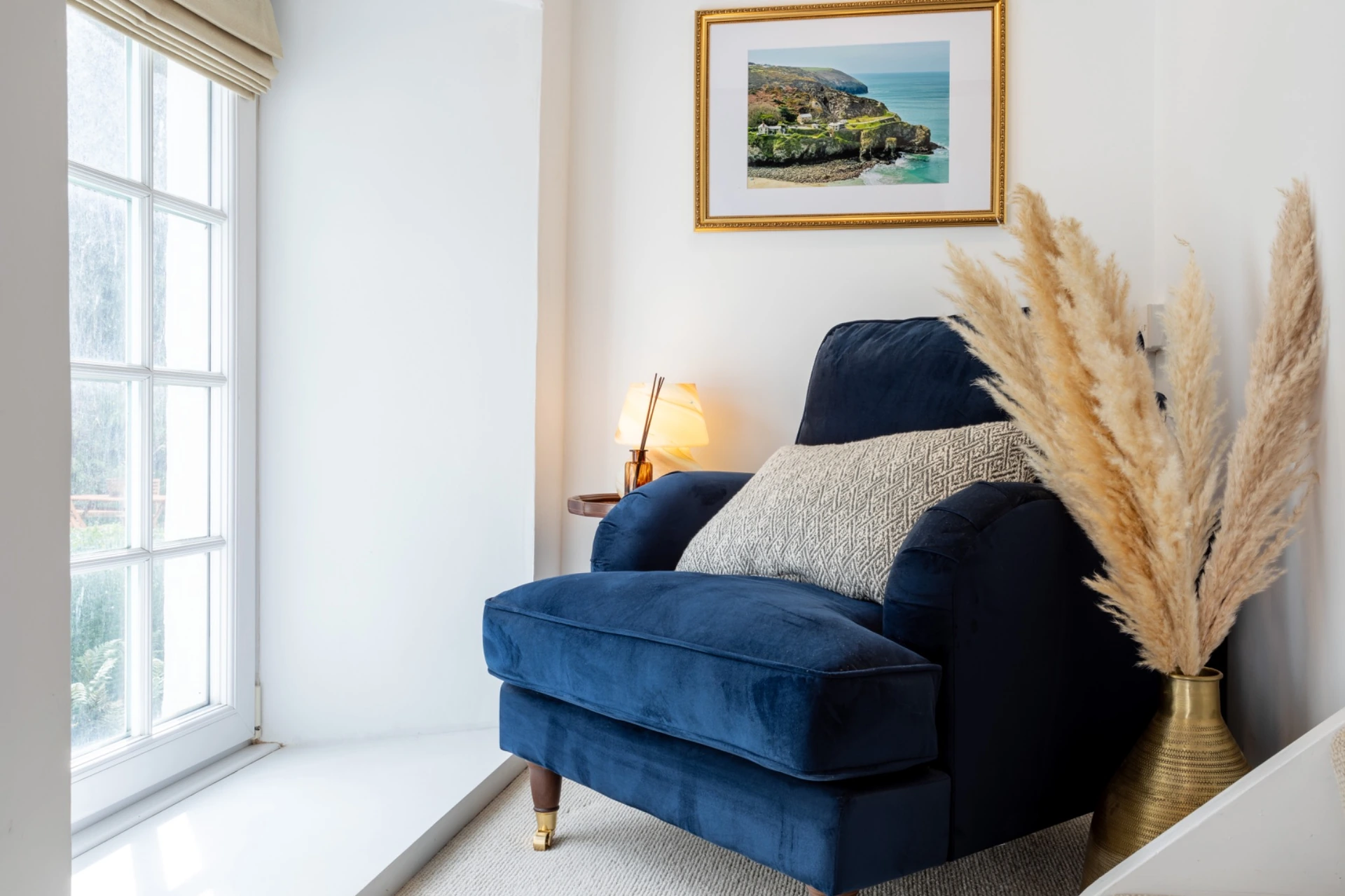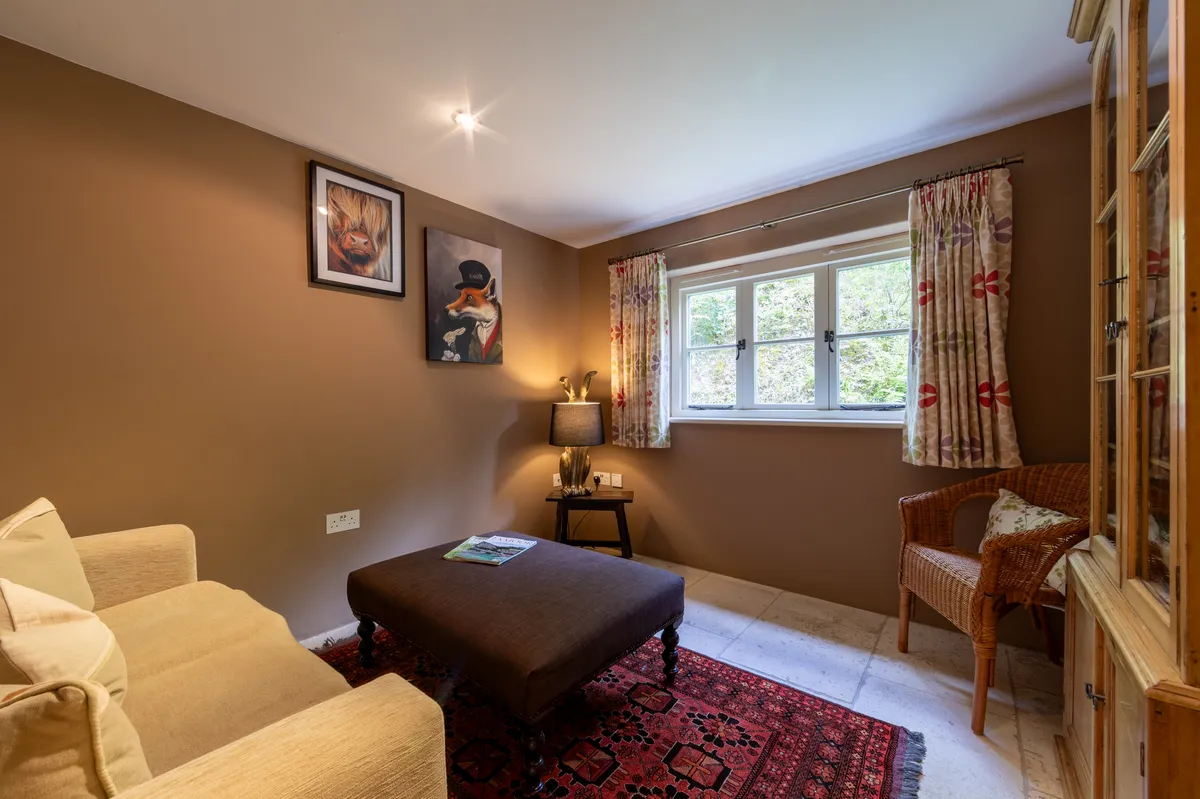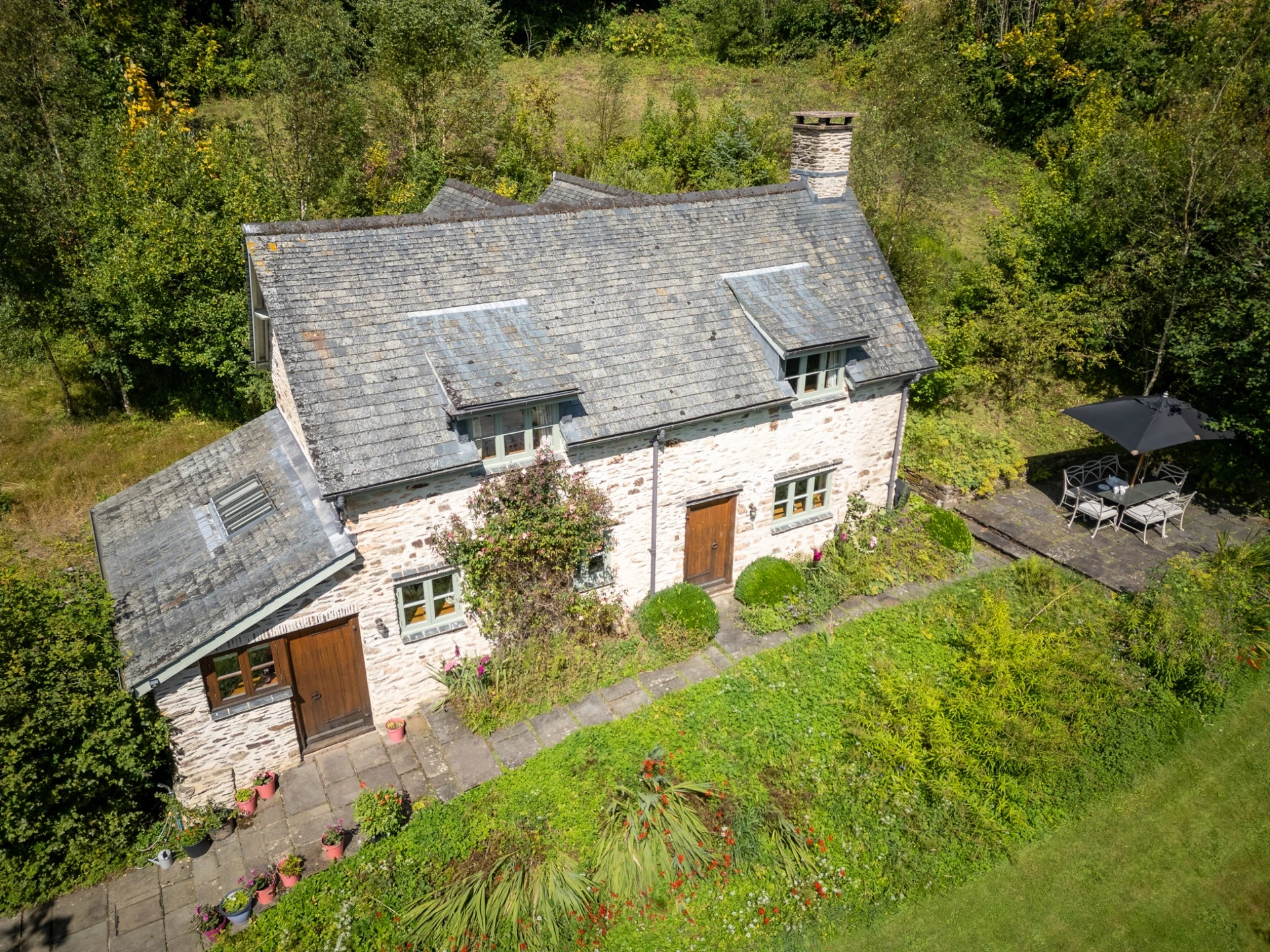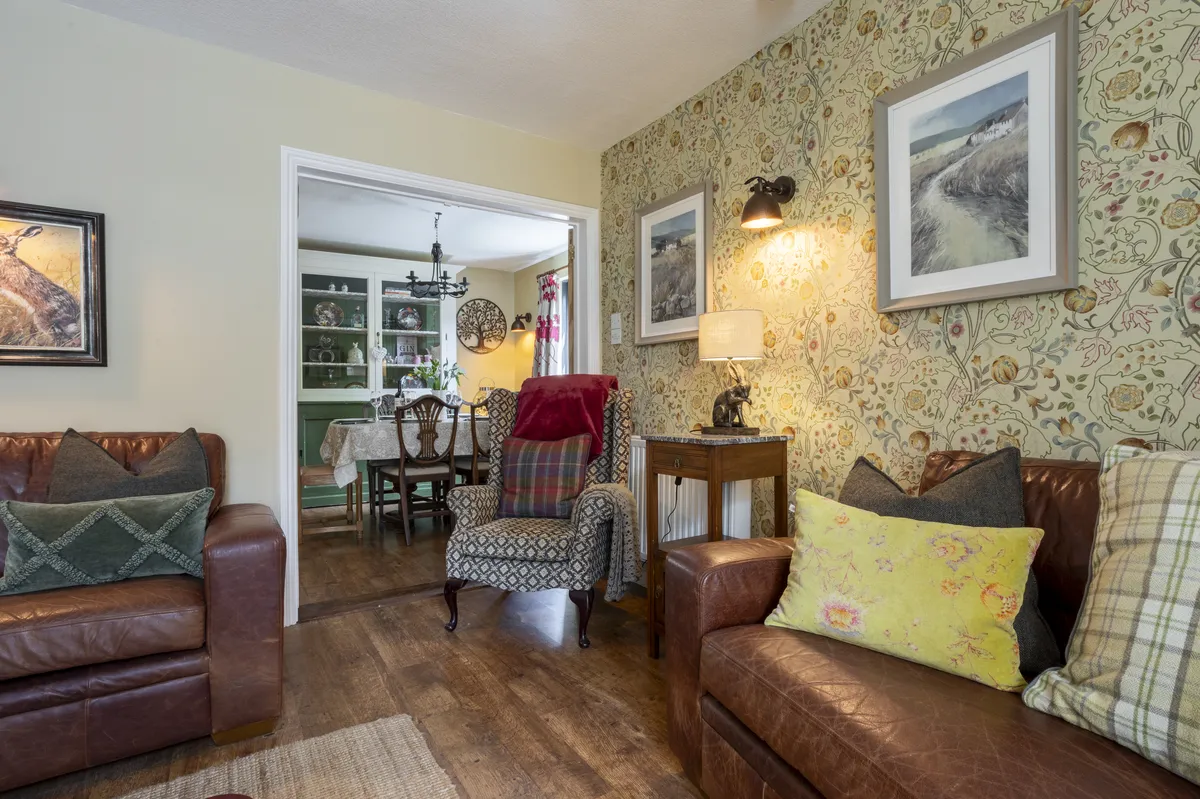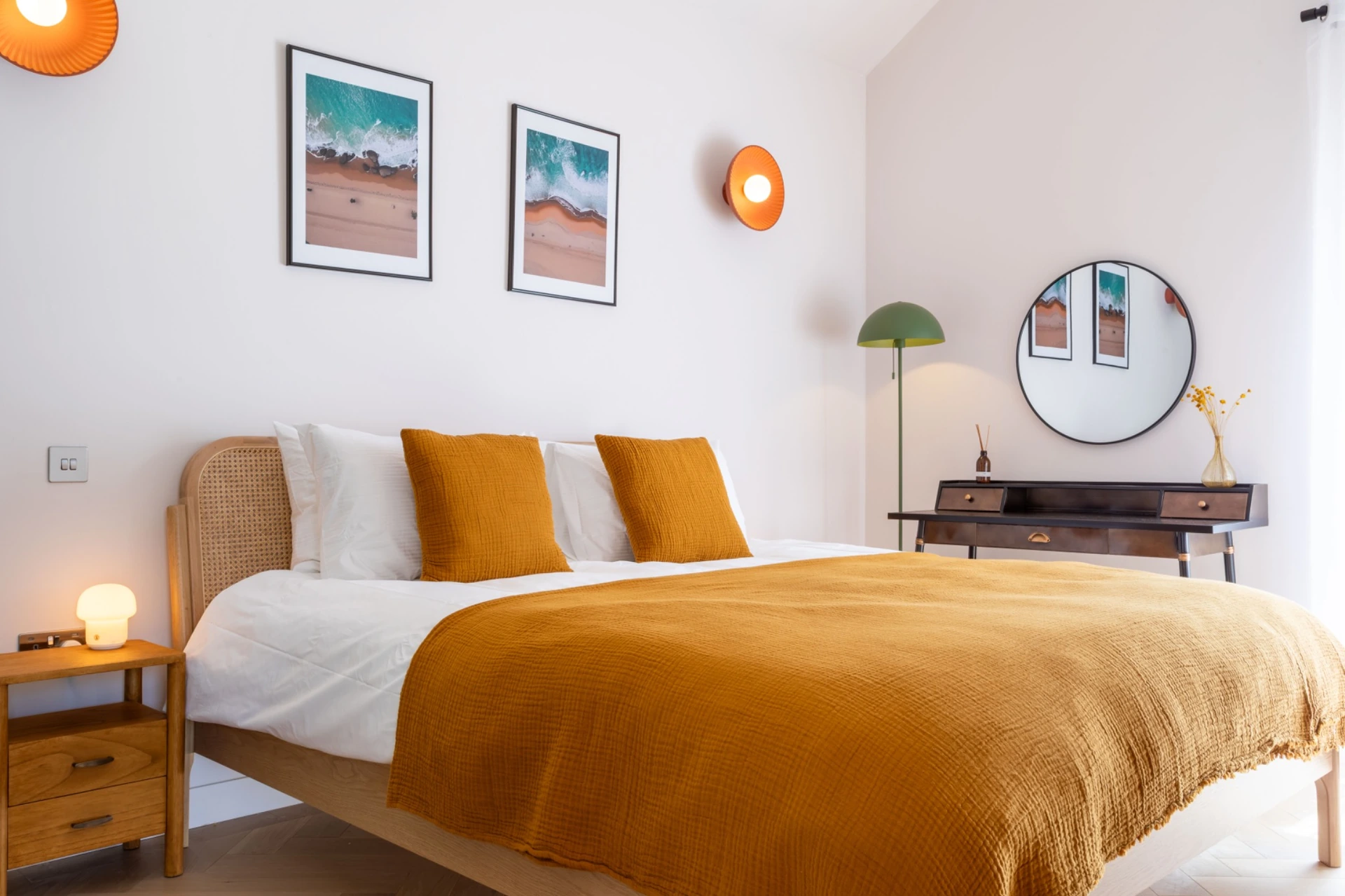

For professional property photography, the general advice is to turn off all interior lights and use natural light from windows, supplemented by a photographer's external flash. This approach avoids the mixed lighting temperatures from different artificial light sources, which can create unnatural colour casts in the images. Relying on natural and controlled flash lighting ensures a clean, bright, and true-to-life representation of the property.
It’s a question I get asked all the time by estate agents and homeowners across Somerset and Bristol: “Should we leave the lights on for the photos?” It seems like a simple query, but the answer is a classic “it depends.” As a property photographer with over 17 years of experience, I’ve seen it all, from dazzling chandeliers to those, let’s say, less-than-photogenic ceiling fans with a single, sad-looking bulb. My general preference? I lean towards a well-lit room. I’m all about creating bright, inviting images that make a potential buyer feel right at home, and the right lighting plays a huge part in that. This is one of the most common questions I get from estate agents across Somerset, Bristol, and Bath when booking property photography.
But it’s not a hard and fast rule. Every room has its own personality, and my job is to capture it in the best possible light, pun absolutely intended. So, let’s dive into the great debate: lights on or lights off?
01The Glow Up: When to Leave the Lights On
There are times when flipping the switch is the best thing you can do for a room. A warm, welcoming glow from a few strategically placed lamps can work wonders, making a space feel cosy and lived-in. This is especially true for properties in areas like Bath, where the beautiful, historic architecture can sometimes feel a little imposing. A bit of soft light can instantly make those grand rooms feel more like a home.
Leaving the lights on can also help to fill in any awkward shadows that natural light just can’t reach. Think of those little nooks and crannies that can look dark and uninviting in a photo. A splash of artificial light can bring them to life, adding depth and dimension to the image. It’s all about creating a balanced, harmonious look that shows off the space in its entirety.
And let’s not forget the fixtures themselves. If a property has some stunning designer lighting, you’ll definitely want to show it off. A beautiful pendant light over a kitchen island or a grand chandelier in a hallway can be a real selling point. In these cases, turning them on is a no-brainer. It’s like putting a spotlight on one of the property’s best features.
02When Darkness Reigns: The Case for Turning Lights Off
Of course, there are also times when I’ll walk into a room and my first instinct is to hit the off switch. One of the biggest culprits here is the dreaded colour cast. You know the one I’m talking about, that sickly yellow or green hue that some older bulbs can throw off. It clashes with the natural light coming in from the windows and can make even the most beautifully decorated room look, well, a bit grim. My style is all about bright and airy, and a weird colour cast is the fastest way to ruin that vibe.
Then there are the fixtures. For every gorgeous designer lamp, there are a dozen ugly, dated ceiling fixtures that do nothing for the room. Think of those fluorescent strip lights in a kitchen or the aforementioned sad-looking ceiling fan. Leaving those on just draws attention to them, and not in a good way. In these situations, it’s much better to rely on the natural light and my trusty off-camera flashes to create a bright, clean look.
Mixed lighting is another challenge. When you have a combination of natural light, overhead lights, and maybe a lamp or two, it can create a messy, uneven look. The different light sources will have different colour temperatures, which can be a nightmare to balance. In these cases, I’ll often turn off all the artificial lights and use my own equipment to create a more consistent and pleasing effect. It’s all about control, and sometimes, the best way to get that is to start with a blank canvas.
03My Approach on the Day
So, how do I decide what to do when I arrive at a property? It’s a process of observation and experimentation. I’ll walk through the space, take a look at the available light, and assess the fixtures. I’ll usually take a few test shots with the lights on and a few with them off to see what’s working best. It’s a very fluid process, and what works for one room might not work for the next.
I always come prepared with my own lighting gear, so I’m never solely reliant on the existing lights. This gives me the flexibility to create the look I want, regardless of the situation. My goal is always to produce images that are bright, inviting, and true to the character of the property. And if that means turning off every single light and starting from scratch, then that’s what I’ll do.
For my clients in Weston-super-Mare and the surrounding areas, from the bustling streets of Bristol to the elegant crescents of Bath, the service is always the same. I take the time to get it right, ensuring that every single shot is the best it can be. And yes, that includes the drone shots that come as standard with all my packages!
Related reading: Natural Light and HDR Techniques | Photographing Kitchens and Bathrooms
04Tips for Estate Agents and Homeowners
If you’re preparing a property for a photoshoot, there are a few things you can do to help the process go smoothly:
- Check your bulbs: Make sure all the bulbs in a fixture are the same type and colour temperature. A mix of warm and cool bulbs will look jarring in a photo.
- Clean the fixtures: Dust and cobwebs are never a good look. Give your light fixtures a quick wipe-down before the photographer arrives.
- Consider the style: If you have a property with a very specific style, think about how the lighting contributes to that. For a modern, minimalist home, you might want to keep the lighting clean and simple. For a cosy country cottage, a few warm lamps could be the perfect finishing touch.
- Trust your photographer: At the end of the day, your photographer is the expert. They’ll know how to get the best results, so be open to their suggestions. If they ask to turn a light on or off, there’s usually a very good reason for it.
Ultimately, the decision to leave lights on or off is a collaborative one. By working together, I can create a set of images that will make your property shine and attract the right buyers. And with prices starting from just £149, getting professional photos that make an impact is more accessible than you might think.
Want to see these techniques in action? Browse my property photography across Somerset, Bristol and Bath or get in touch for a quote.