Editorial property photography focuses on storytelling and atmosphere for publications, while sales-focused photography aims to clearly present a property's features for potential buyers. The key distinction lies in their purpose: editorial photography sells a lifestyle or architectural vision, whereas sales photography markets the property itself to drive a transaction. UK-based The Property Photo Guy, with prices from £175, can advise on the best approach for a specific property.
There are two distinct schools of property photography, and they exist for good reason. Editorial photography and classic estate agent photography serve different purposes, appeal to different audiences, and work best in different contexts. Neither is better than the other — they're different tools for different jobs.
I shoot both. Some briefs call for one, some call for the other, and plenty call for a blend of the two. Here's how they differ, when each works best, and how to decide which approach suits your property or project.
01What Editorial Property Photography Looks Like
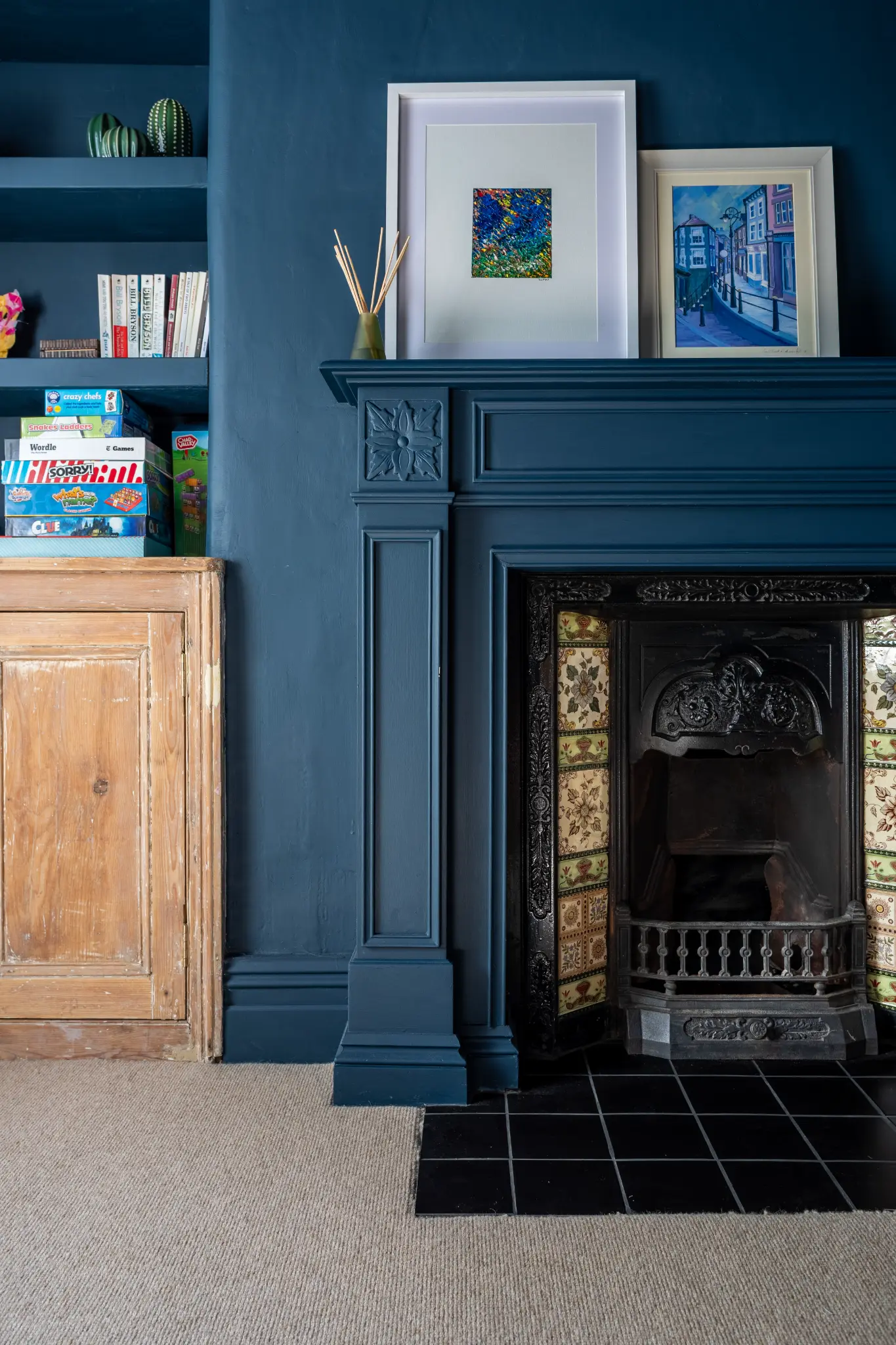
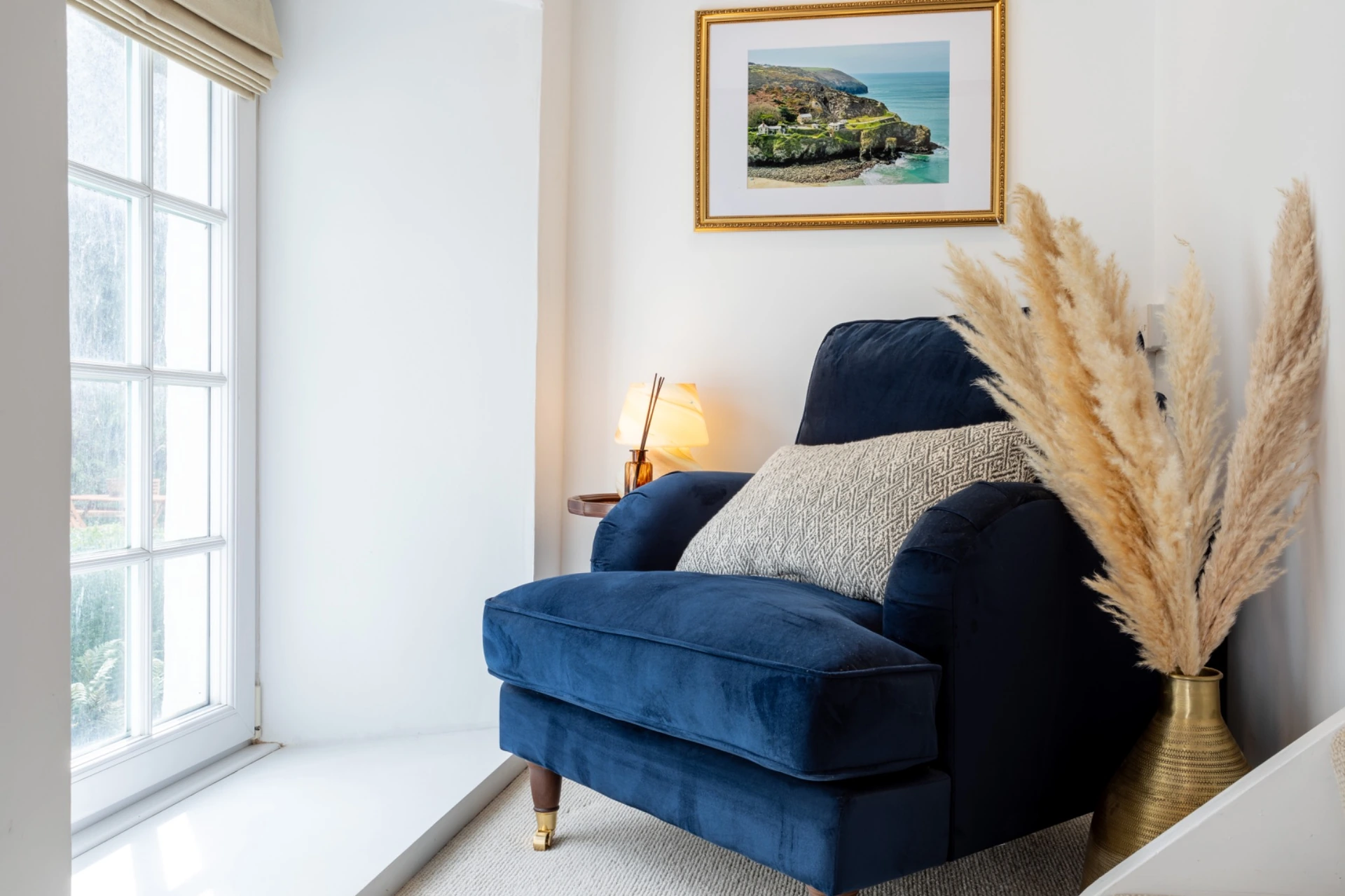
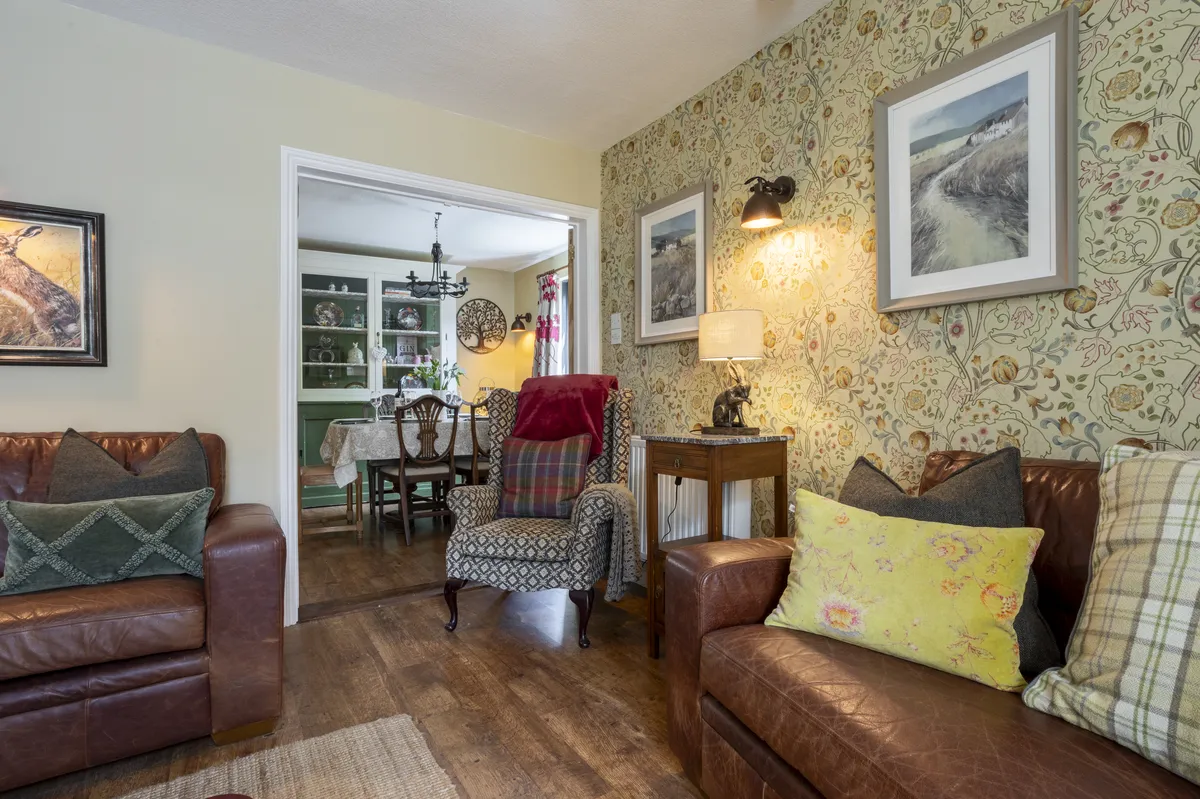
Editorial photography — sometimes called architectural or interiors photography — is the style you see in magazines like Homes & Gardens, Elle Decoration, or the Sunday supplements. It's storytelling through images. The composition is deliberate. The lighting is often dramatic. There's a heavy emphasis on detail shots: the grain of a wooden worktop, a brass tap catching the light, a single stem in a vase on a windowsill.
The hallmarks are easy to spot:
- Shallow depth of field — that blurry background effect that draws the eye to a specific detail
- Tight crops — showing a corner of a room or a single feature rather than the whole space
- Styled scenes — carefully arranged objects that might take time to set up for a single frame
- Dramatic lighting — moody shadows, pools of light, deliberate contrast
- Portrait orientation — perfect for social media feeds and magazine layouts
- Artistic composition — leading lines, framing within frames, negative space
This approach creates images that make you feel something. It's photography that communicates atmosphere, quality, and lifestyle. The viewer isn't just seeing a room — they're imagining a way of living.
02What Classic Estate Agent Photography Looks Like
Classic estate agent photography has a completely different job. When someone is scrolling through Rightmove at 10pm trying to find their next home, they need information. They want to know: how big is the kitchen? Where are the windows? Is there room for a dining table? What does the garden actually look like?
The hallmarks of this approach:
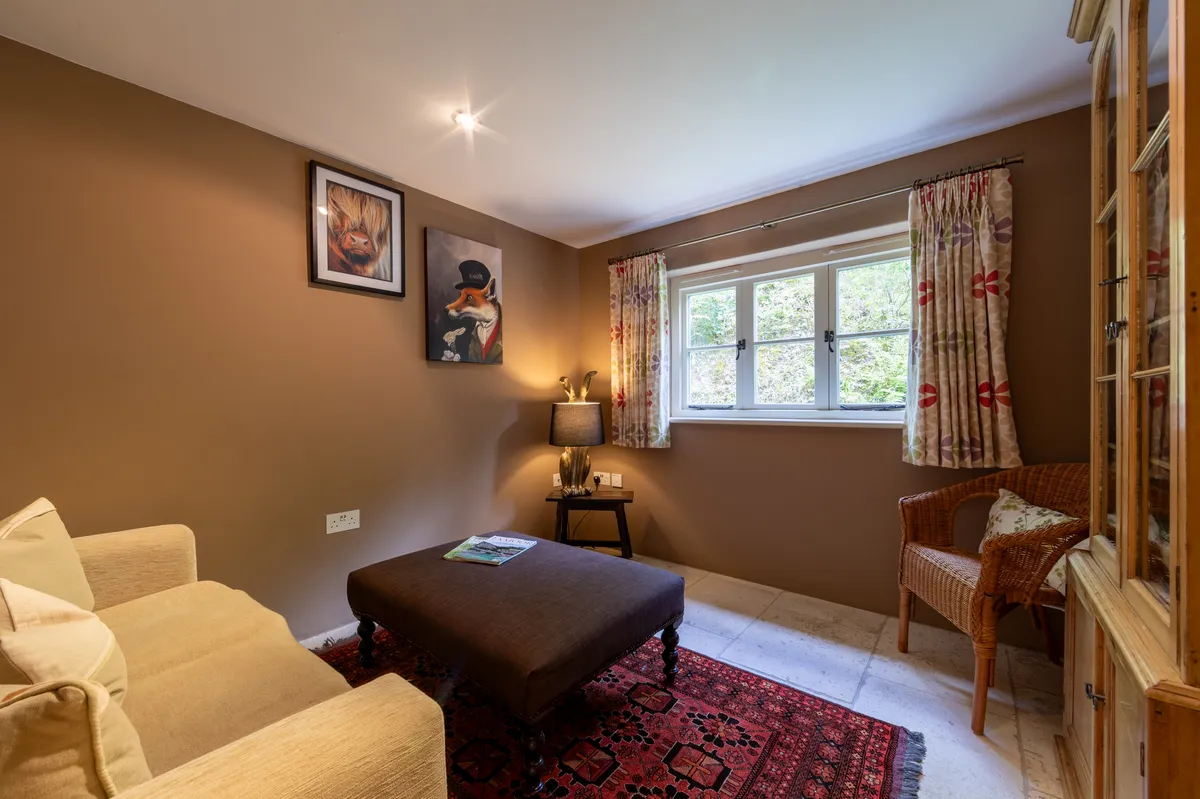
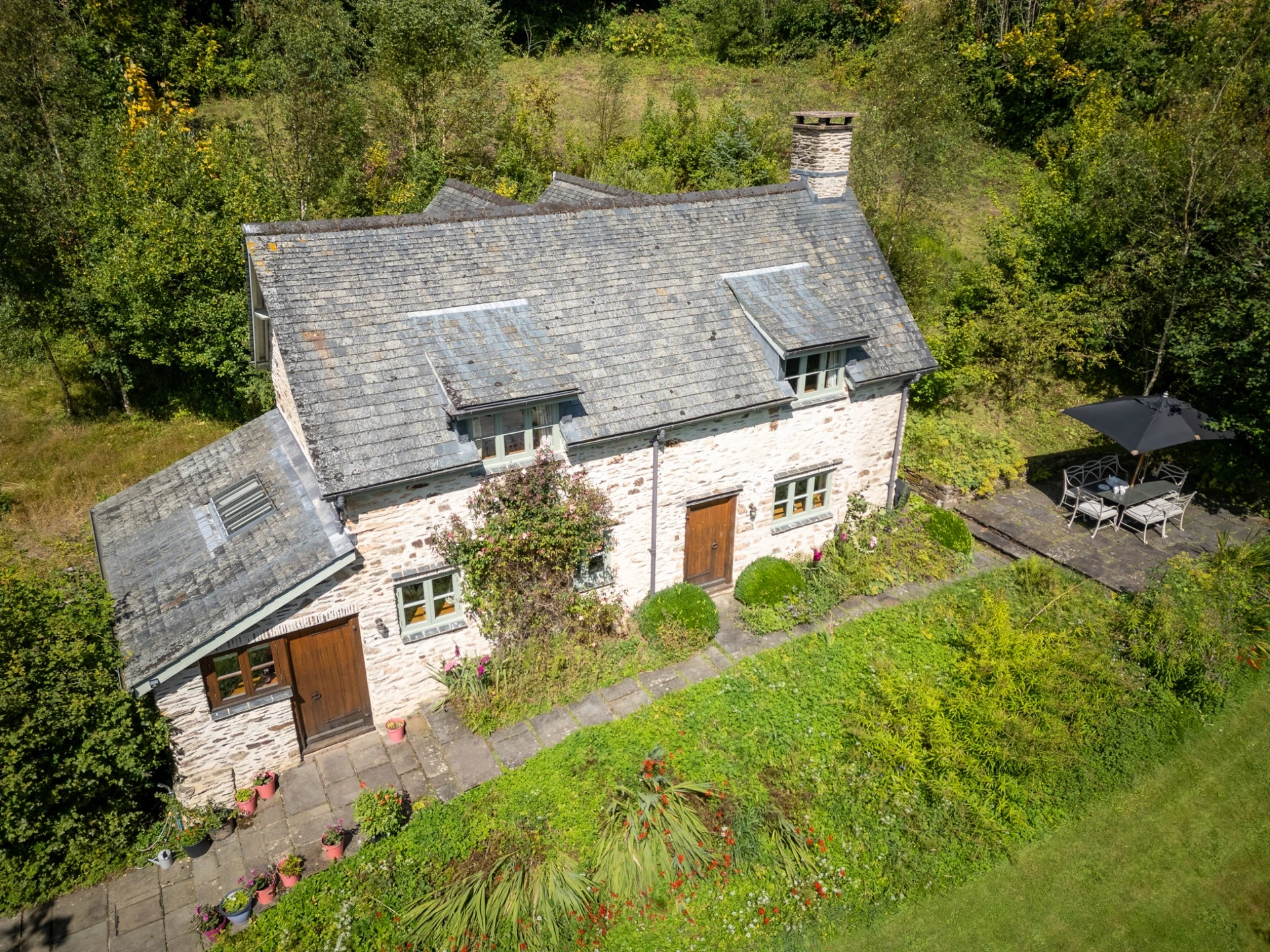
- Wide-angle lenses — showing the full room from the best angle
- Bright, even lighting — no dramatic shadows, everything clearly visible
- Landscape orientation — optimised for portal listings and landscape displays
- Consistent exposure — every image feels like part of the same property
- Window views visible — not blown out to white
- Accurate proportions — honest representation of room sizes and layouts
This approach gives buyers enough information to decide whether a viewing is worth their time. It's clear, honest, and efficient. Rightmove's own research shows that listings with professional photography receive 12% more leads — and the key word there is "professional," meaning well-lit, well-composed images that show the property accurately.
03A Side-by-Side Comparison
To make the differences concrete, here's how the same spaces get treated under each approach:
| Room | Editorial Approach | Classic Agent Approach |
|---|---|---|
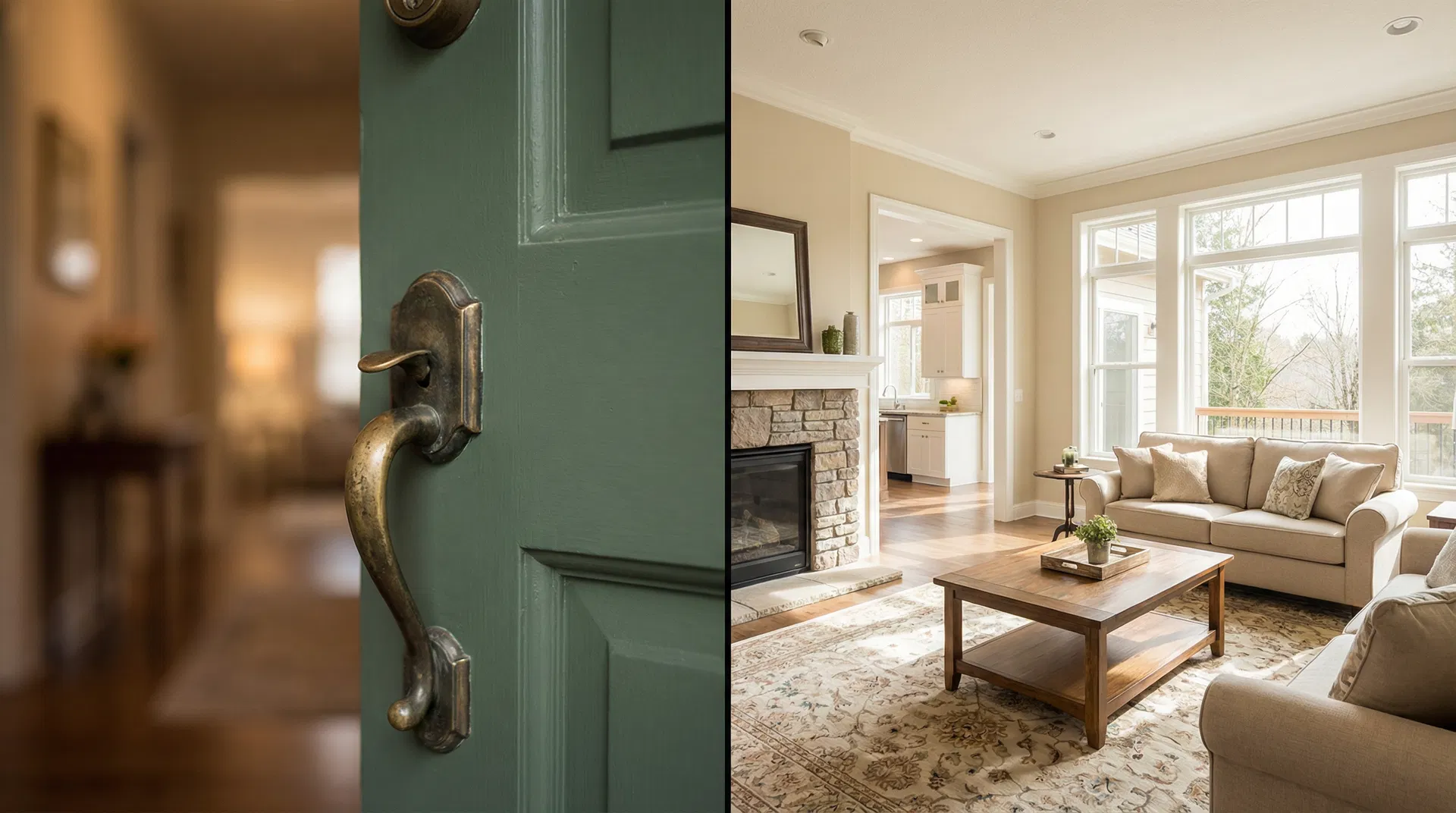
| Living room | Tight crop of fireplace with styled mantelpiece, shallow depth of field, portrait orientation | Full room wide-angle showing layout, windows, and connecting spaces |
| Kitchen | Close-up of worktop texture with coffee cup and cookbook, dramatic side lighting | Full kitchen showing units, appliances, island, and window |
| Bedroom | Low-angle shot with textured linen and bedside styling, warm tones | Bright, clear shot showing bed, wardrobes, and room proportions |
| Bathroom | Artistic shot of brass taps with soft focus background | Clear shot showing bath, shower, basin, and tiling |
| Garden | Close-up of planting with blurred house in background | Wide shot from house showing full garden depth and boundaries |
| Exterior | Dusk shot with dramatic sky and warm interior glow | Daylight front elevation showing the full property |
Neither column is wrong. They're answering different questions. The editorial column answers "what does it feel like to be here?" The classic column answers "what will I actually get?"
04When Editorial Is the Right Choice
Editorial photography works brilliantly in specific contexts:
Holiday lets and Airbnb. Guests are buying an experience, not a property. Close-ups of the welcome hamper, the log burner, the roll-top bath — these sell bookings. The lifestyle details close the deal because guests want to imagine their weekend away.
Interior design portfolios. If the photos are showcasing design work rather than selling the property, editorial is exactly right. Designers need the detail shots, the styled vignettes, the dramatic lighting that shows off their material choices and spatial decisions.
Social media marketing. Portrait-orientation editorial shots are built for Instagram and TikTok. They stop the scroll. A moody close-up of a period fireplace or a beautifully styled kitchen corner performs far better on social feeds than a standard wide-angle room shot.
New-build show homes. Developers selling a lifestyle and a specification benefit from the editorial approach. Detail shots of the kitchen worktop, the bathroom fixtures, the built-in storage — these communicate quality and finish level.
Brochures and print marketing. A printed property brochure has space for both approaches, and the editorial images add richness and personality to the presentation.
Young sellers and personal use. Some clients want stylised shots for their own records or to use when they eventually sell — images that capture the personality of their home, not just the layout. Editorial gives them something they'll actually want to frame or post.
05When Classic Estate Agent Photography Is the Right Choice
The classic approach earns its keep in different situations:
Standard residential sales. When the goal is viewings, buyers need to understand the property quickly. Clear, bright, wide shots that show every room from the best angle — this is what generates calls to the agent.
Portal optimisation. Rightmove, Zoopla, and OnTheMarket display images in landscape format at relatively small sizes. Wide, bright shots read well at thumbnail size. Moody editorial crops can look dark and unclear at that scale.
Higher-volume agency work. When an agent needs 20 properties photographed per week, the classic approach delivers consistent, reliable results that work for every listing.
Properties where space is the selling point. If a home's main appeal is its size, layout, or flow between rooms, wide shots that show those proportions clearly are doing the heavy lifting.
Competitive markets. In areas where buyers are comparing dozens of similar properties, clear photography that quickly communicates what makes this one different (the extension, the garden, the views) outperforms artistic ambiguity.
06Combining Both Approaches
The most effective property marketing often uses both styles together. Here's how that works in practice:
For a sale listing: Lead with 5-6 bright, wide shots that show the key rooms clearly (living room, kitchen, master bedroom, bathroom, garden). These answer the buyer's basic questions. Then add 3-4 editorial detail shots that give the listing personality — the original cornicing, the view through a doorway, afternoon light on the kitchen worktop. The wide shots get the click; the detail shots create the emotional connection.
For a holiday let: Lead with one or two wide shots so guests understand the space, then lean heavily into editorial — the styled bed, the log burner close-up, the breakfast table set for two. Guests need just enough information to know the property works for them, then the editorial shots sell the experience.
For a developer brochure: Mix both throughout. Wide shots of the show home rooms for the floor plan context, editorial details of the specification and finish quality, drone shots for the site context, and twilight exteriors for the front cover.
07The Technical Differences
Beyond the visual style, there are practical differences in how each approach is shot:
Lens choice. Classic estate agent work typically uses ultra-wide lenses (10-16mm on crop sensors) to show maximum room coverage. Editorial work uses longer focal lengths (24-50mm equivalent) for more natural perspective and compression.
Lighting. Classic work often uses flash to fill shadows and create even, bright exposure throughout. Editorial work more often uses natural light, sometimes supplemented with subtle fill, to preserve the mood and atmosphere of a space.
Post-processing. Classic work gets colour-corrected, straightened, and brightened — clean and consistent. Editorial work might get more creative grading — warmer tones, selective contrast, vignetting, or black-and-white conversion.
Shoot time. A classic estate agent shoot of a 3-bed house might take 45-60 minutes. An editorial shoot of the same property could take 2-3 hours because of the styling, the detail setups, and waiting for the right light.
Deliverables. Classic work typically delivers 15-25 landscape images. Editorial work might deliver fewer images but in a mix of landscape and portrait orientations, with more variety in composition and focal length.
08How to Decide What You Need
Ask yourself these questions:
- 1.Where will the photos be used? Portal listing = classic. Social media = editorial. Brochure = both.
- 2.Who is the audience? Active buyers searching portals = classic. Aspirational browsers on Instagram = editorial. Holiday guests = editorial with some wide shots.
- 3.What's the property's main selling point? Space and layout = classic. Character and finish quality = editorial. Both = both.
- 4.What's the timeline? Need photos live tomorrow = classic. Planning a marketing campaign over weeks = editorial or both.
- 5.What's the budget? Editorial takes longer to shoot and process, so it typically costs more. Classic is more efficient per-image.
09What I Offer
I shoot both approaches and everything in between. Some weeks I'm doing fast-turnaround classic shoots for agents who need listings live by 5pm. Other weeks I'm spending a morning on an editorial shoot for a holiday let owner who wants scroll-stopping social media content. And plenty of briefs sit in the middle — a developer who wants clean sales shots plus some editorial details for their brochure.
When we discuss your project, I'll ask what the photos are for and who they're aimed at. That tells me which approach — or which blend — will work best. There's no one-size-fits-all answer, and that's exactly why both styles exist.
Based in Somerset and available across the South West and beyond. Get in touch to discuss your project, or use the pricing page to build a package.
Based in Somerset and covering Bristol, Bath, and the wider South West. View my property photography across Somerset, Bristol and Bath or get in touch to discuss your project.