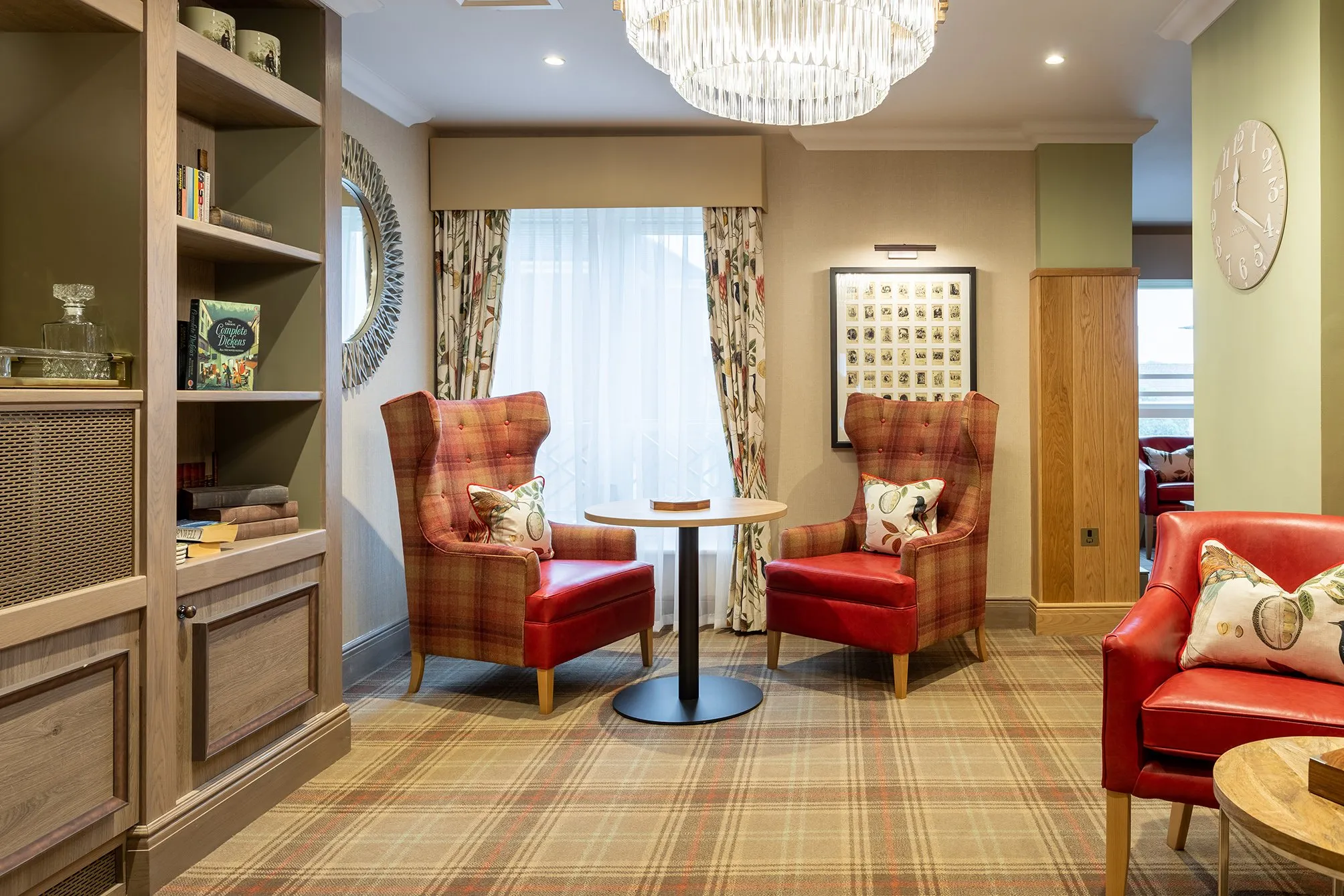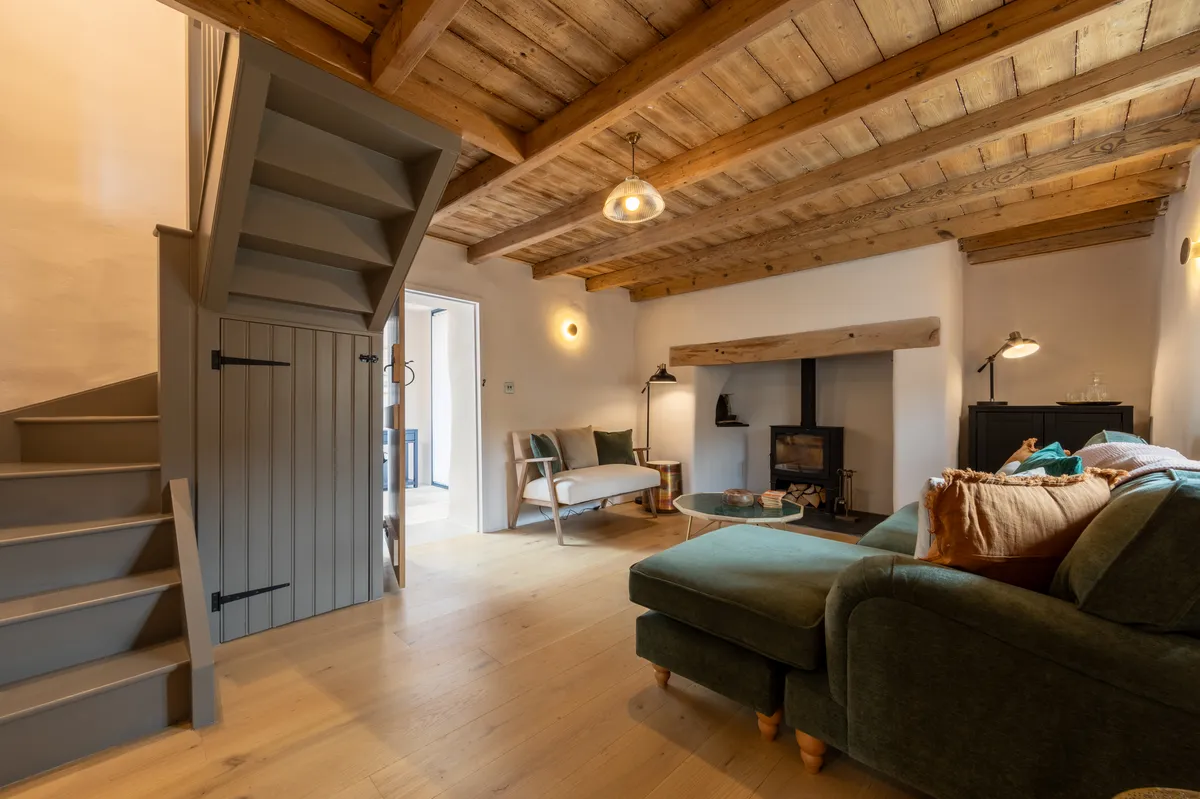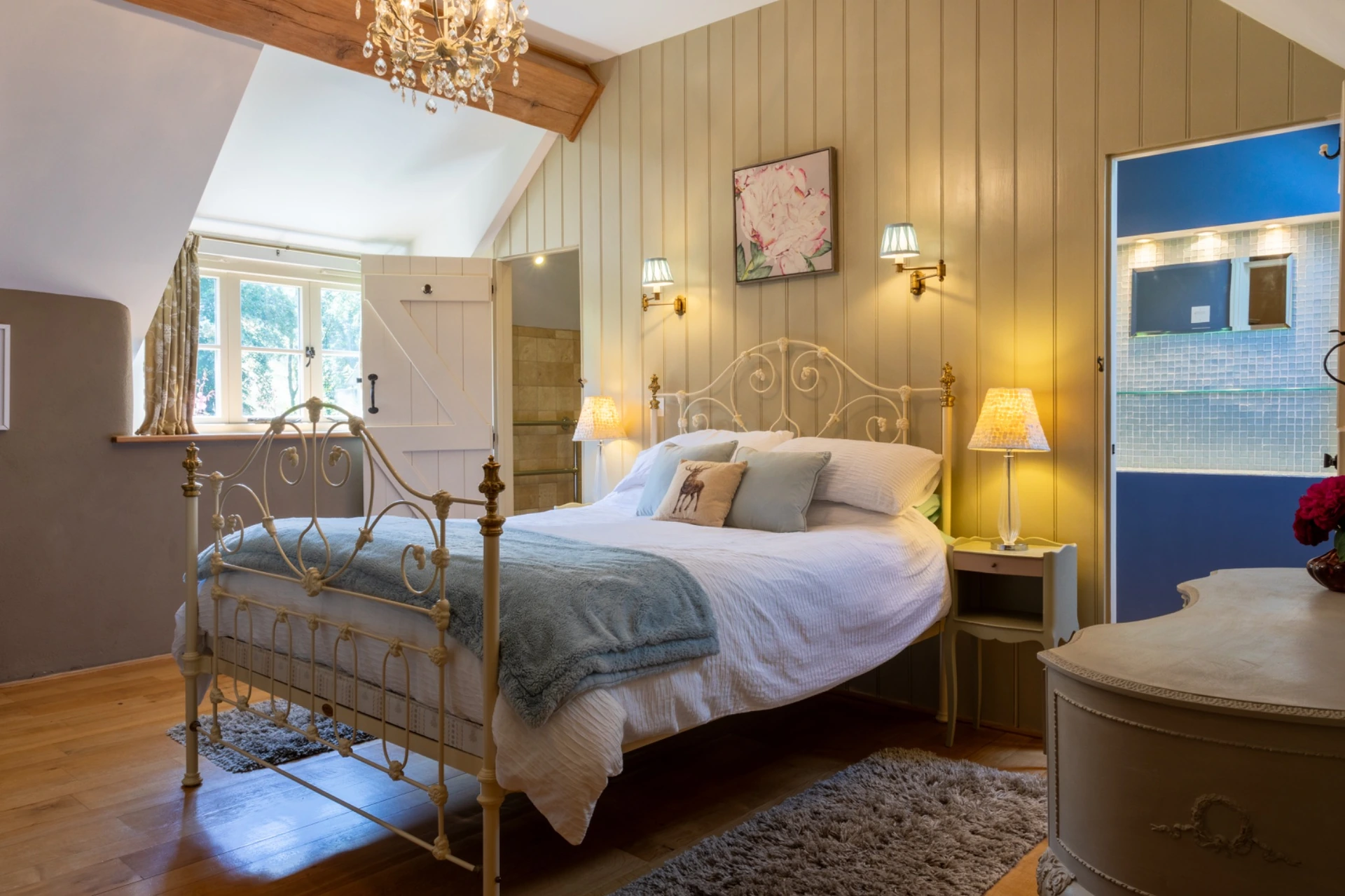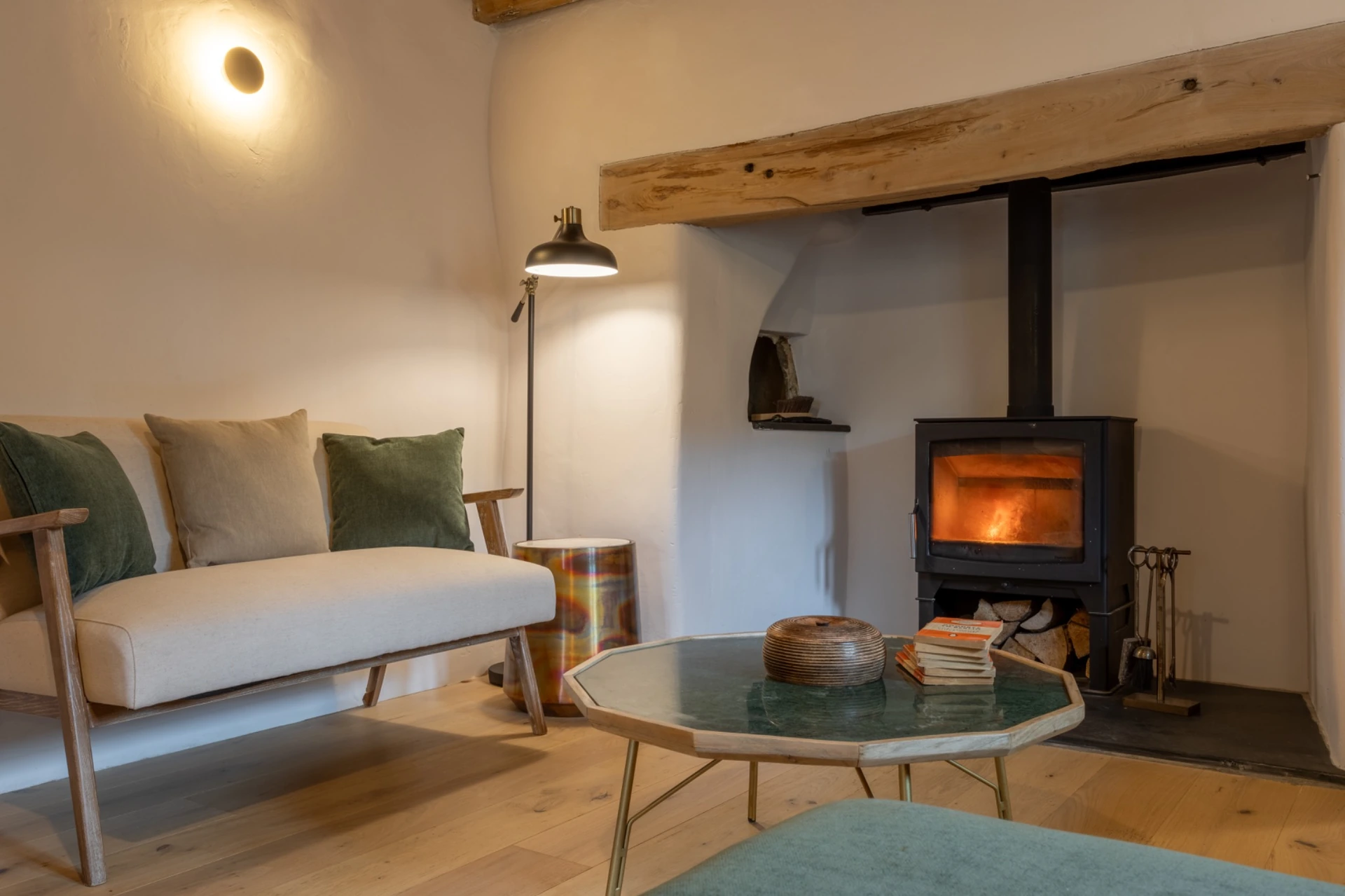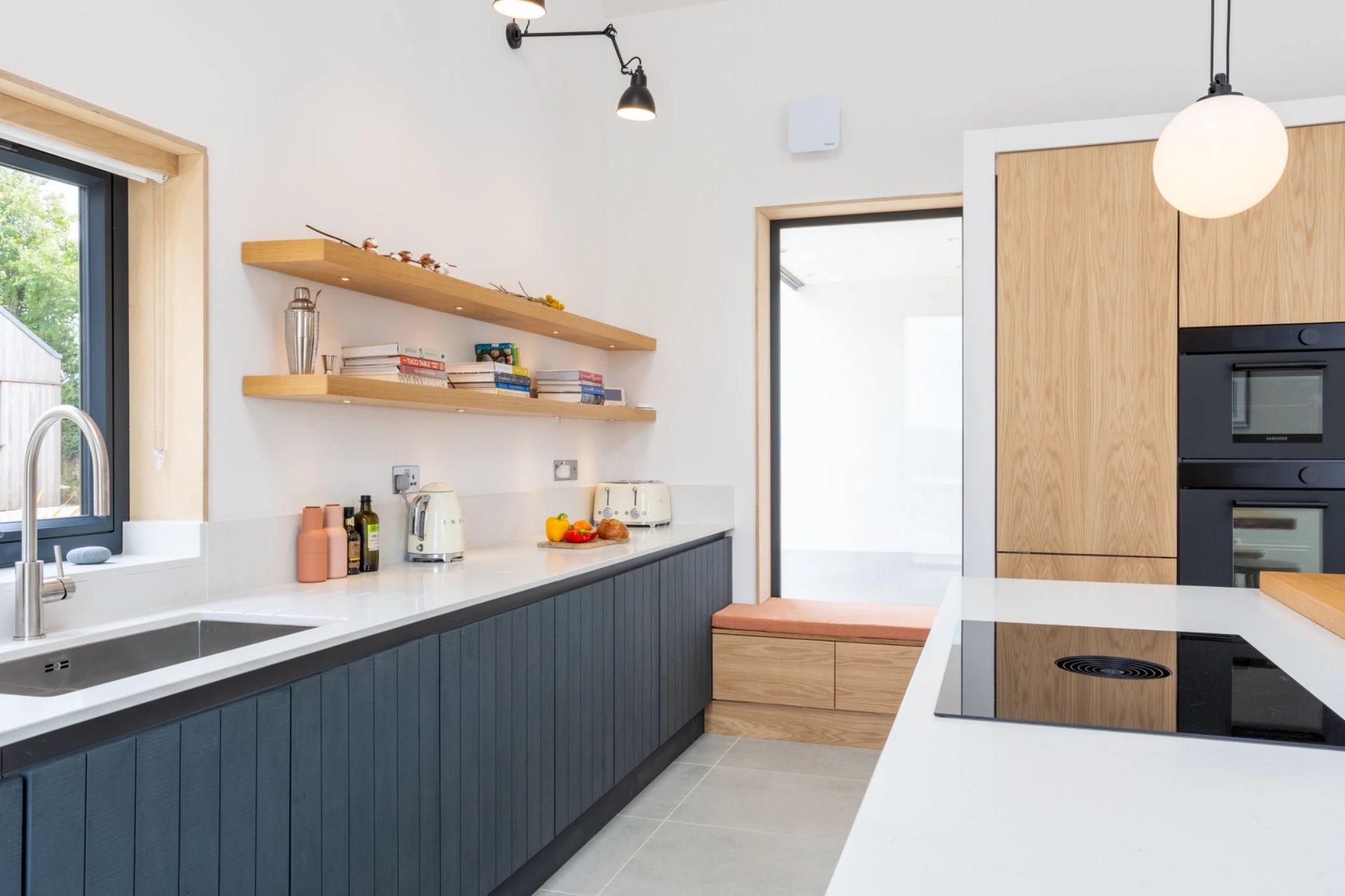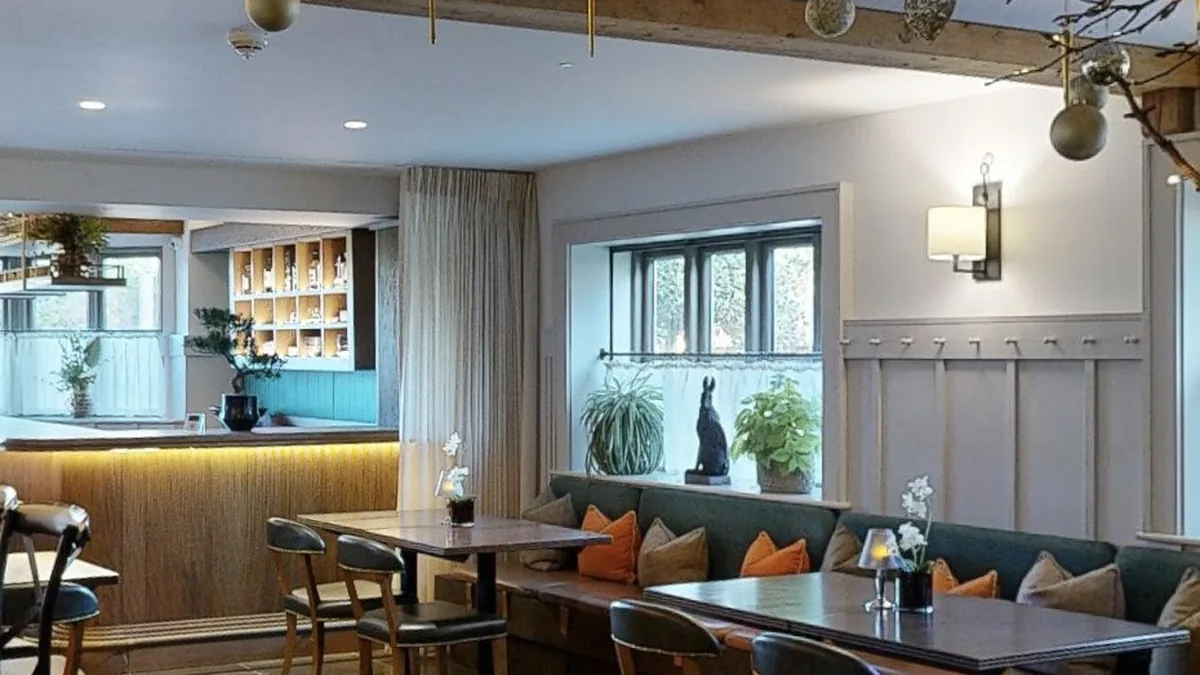
Hotel and B&B photography in Bath and Somerset should create a clear visual journey from arrival to room, bathroom, dining and the details that make the stay worth choosing. A planned gallery gives guests enough confidence to book while keeping the property's strongest reason to stay front and centre.
01Guests Need to Understand the Stay Quickly
For hotels and B&Bs in Bath and Somerset, the photography has to do two jobs at once. It needs to create a feeling that makes a guest want to stay, and it needs to answer practical questions before they leave the booking page. The room, bathroom, breakfast setting, arrival, parking, garden or view may all matter to the decision.
That is why a strong hospitality gallery should be planned as a journey rather than a collection of attractive interiors. Guests should be able to understand the type of stay, the standard of the rooms and what makes the property worth choosing before they check dates.
02Lead With the Reason to Choose You
Every property has a different booking trigger. It might be a central Bath location, a quiet Somerset setting, a distinctive dining room, an exceptional suite or an easy base for a weekend away. The lead image should make that reason obvious. The next images should then support it with enough clear information to reduce uncertainty.
For a B&B, the arrival, bedroom, bathroom and breakfast experience are often the core sequence. For a larger hotel, the gallery may also need public areas, several room categories, bar or restaurant imagery, meeting space and exterior context. I plan the shot list around the parts of the stay that are most likely to drive the enquiry or booking.
03Do Not Leave the Useful Details Until the End
Guests notice practical details. Is the bathroom generous? Is there daylight at the desk? Does the room have a view? How does the dining space feel in the morning? Good hospitality photography handles those questions naturally through the sequence, without turning the gallery into an inventory.
This is especially important when the same images are used on a direct-booking site, an online travel agent, social media and editorial listings. Each platform rewards a clear, complete visual story, even if the exact crop or order changes.
04Use a Tour for the Spaces Guests Want to Explore
Photography is the core booking asset. A virtual tour for hotels can add another layer for larger properties, premium rooms or venues that benefit from more exploration before a guest commits. If restaurant or pub visibility matters, a Google Maps virtual tour may also be useful.
For a commercial hospitality brief, see my commercial photography in Bath and commercial photography across Somerset. You can also see how a smaller stay can be positioned through the Ferndale Mews Bristol B&B case study.
05Prepare the Shoot Around the Guest Experience
Choose the rooms and spaces that need to be shown, prepare them as they would be for a guest, and agree any service moments or people-led images in advance. That gives me time to create a useful mix of broad scenes, room coverage and the smaller details that turn a good property into a clear booking choice.
06FAQ
What is most important in hotel and B&B photography?
The lead reason to choose the stay, followed by clear room, bathroom, arrival and shared-space coverage that answers the questions guests have before booking.
Should hospitality photography include breakfast or dining?
Yes, when it is part of the guest experience or a reason someone might choose the property. It should be planned as part of the wider image sequence.
Can one shoot work for booking platforms and a direct website?
Yes. I plan a flexible image library that can be reordered and cropped for the platform while retaining a clear story about the stay.