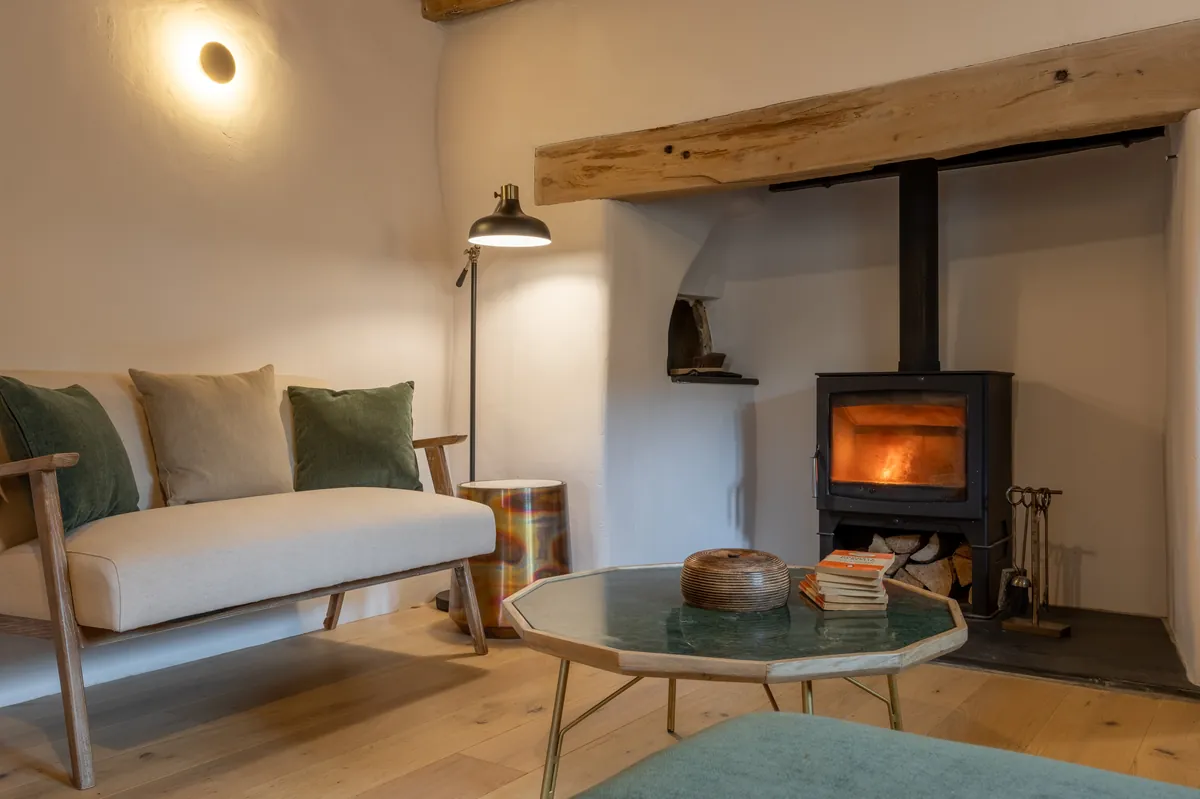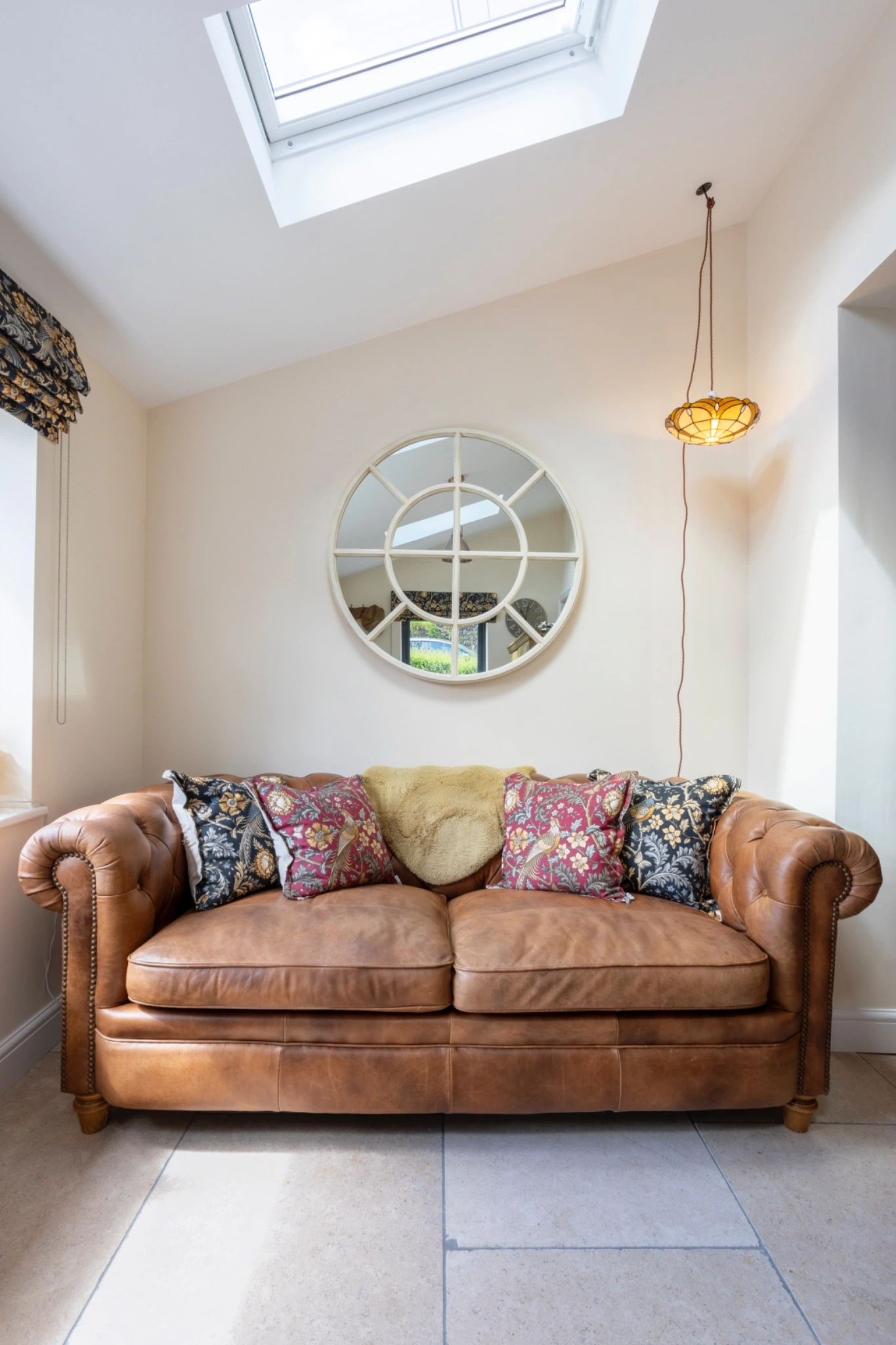

When it comes to property photography, the difference between a good photo and a great one often comes down to lighting technique. In this post, I'll walk you through a real Bristol apartment project where I replaced harsh flash photography with professional HDR (High Dynamic Range) photography, and how it transformed the listing.
01The Problem: Flat, Harsh Flash Photography
Flash photography is tempting for property agents and DIY photographers. It's fast, it's simple, and it seems to "brighten up" dark interiors. But flash has a critical flaw: it creates flat, harsh shadows and often blows out windows, leaving them as white voids in the image. Buyers looking at flash photos often feel like they're viewing a poorly lit, uninviting space, even if the property is actually warm and welcoming in person.
The Bristol apartment we're looking at today is a perfect example. The original flash photos showed:
- Blown-out windows with no detail of the view outside
- Flat, shadowless walls that made rooms feel smaller
- Harsh shadows behind furniture and in corners
- A cold, clinical feel that didn't match the property's actual character
- Minimal texture or depth in the images
02The Solution: Professional HDR Photography
HDR photography works by taking multiple exposures of the same scene, typically 3 to 7 shots at different brightness levels, and blending them together. This allows us to capture detail in both the bright areas (like windows and skylights) and the dark areas (like shadowed corners and interior details) in a single, cohesive image.
For the Bristol apartment, I shot bracketed exposures and processed them to create images that show:
- The garden and street view through the windows (not blown-out white)
- Natural-looking shadows that add depth and dimension
- Warm, inviting lighting that matches how the space actually feels
- Clear texture in walls, flooring, and furnishings
- A sense of space and openness that encourages buyers to imagine themselves living there
03Before and After: The Real Difference
Let's look at the images side by side. Here are the professional HDR versions first, followed by the original flash photos for comparison:
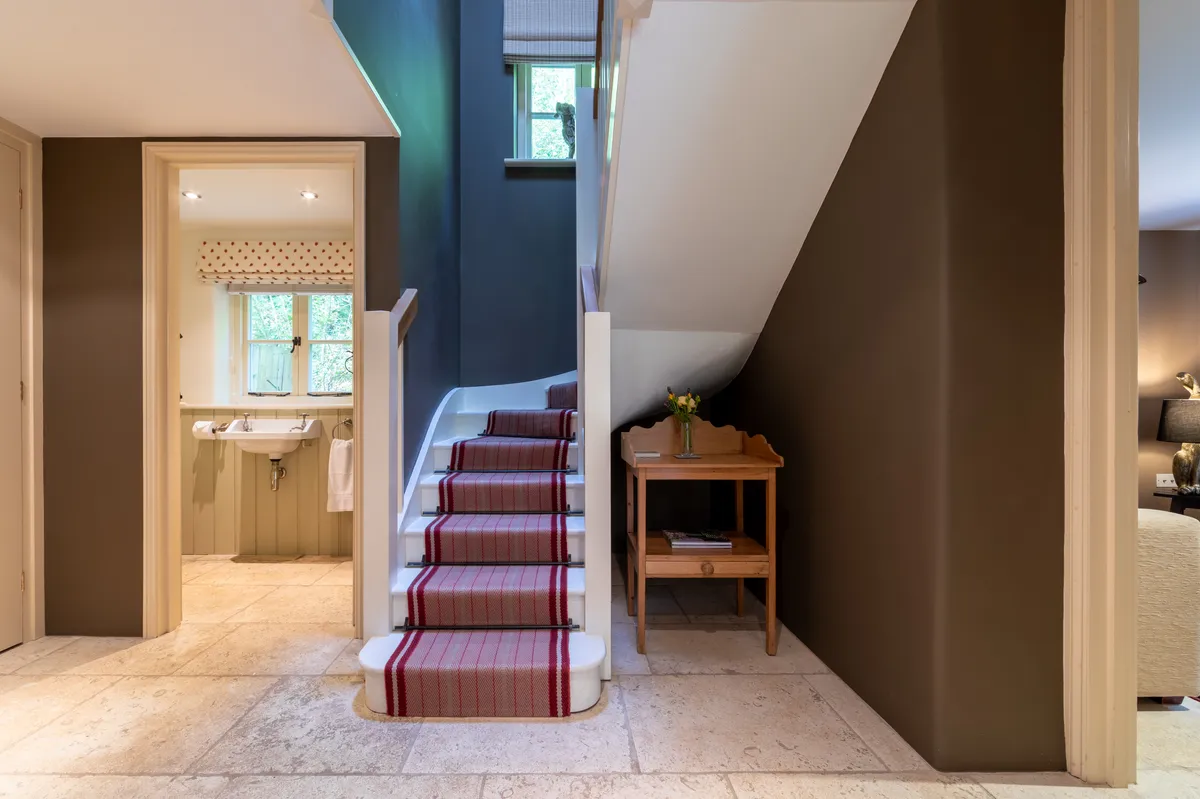
My Professional HDR Photography
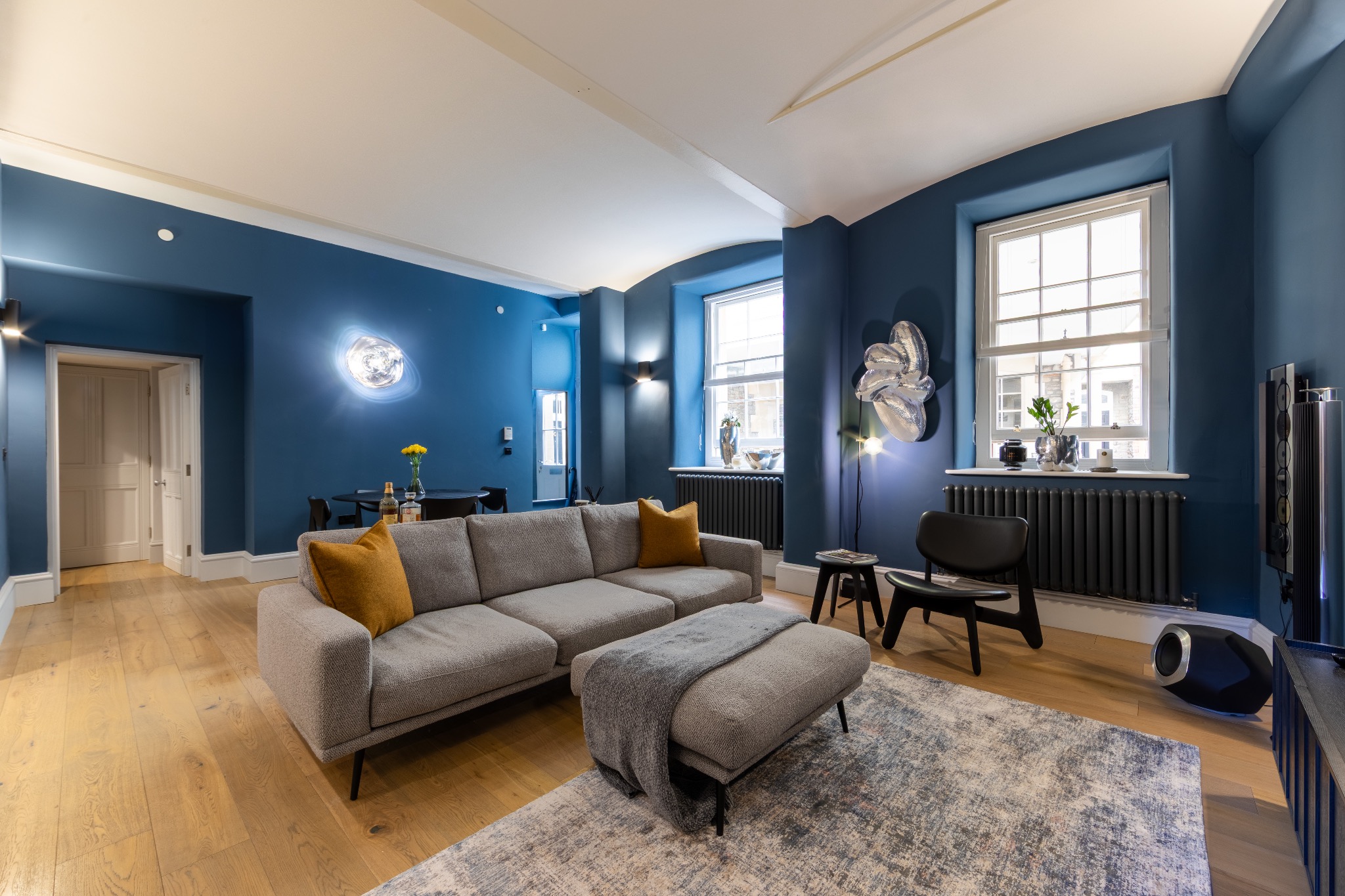
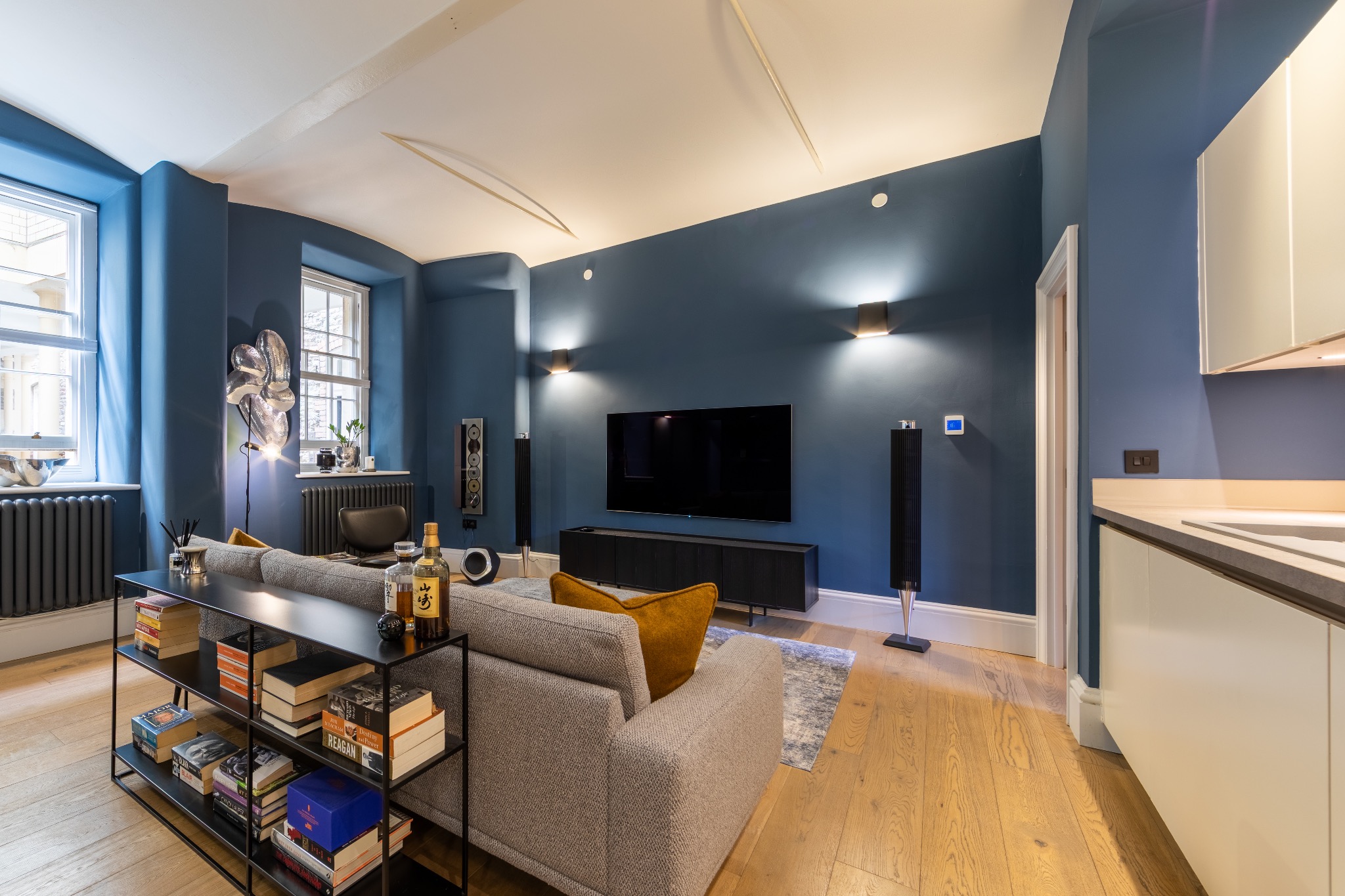
Professional HDR captures the warmth, dimension, and openness of the space. Natural light creates genuine depth, and buyers can immediately imagine themselves living here.
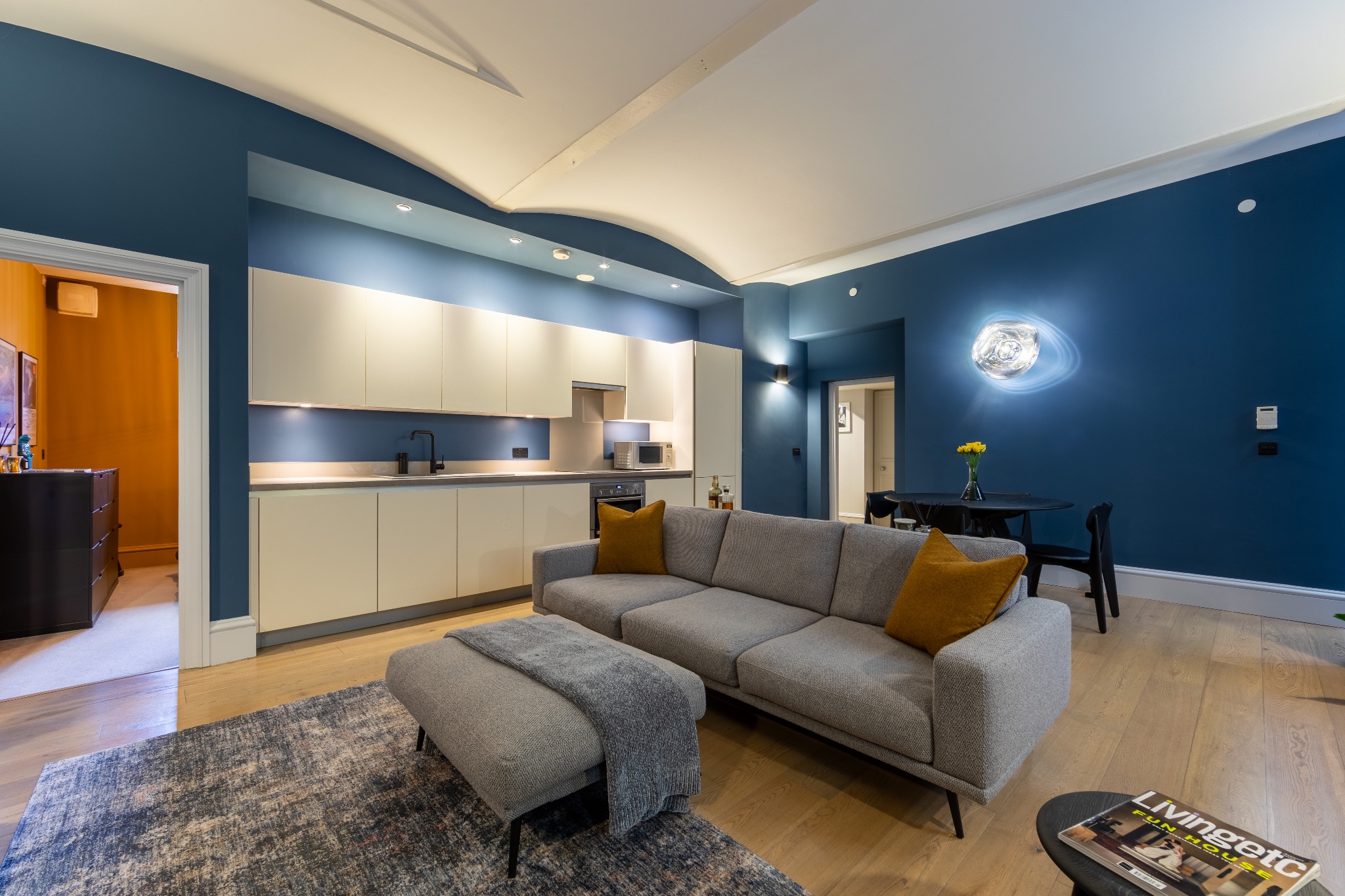
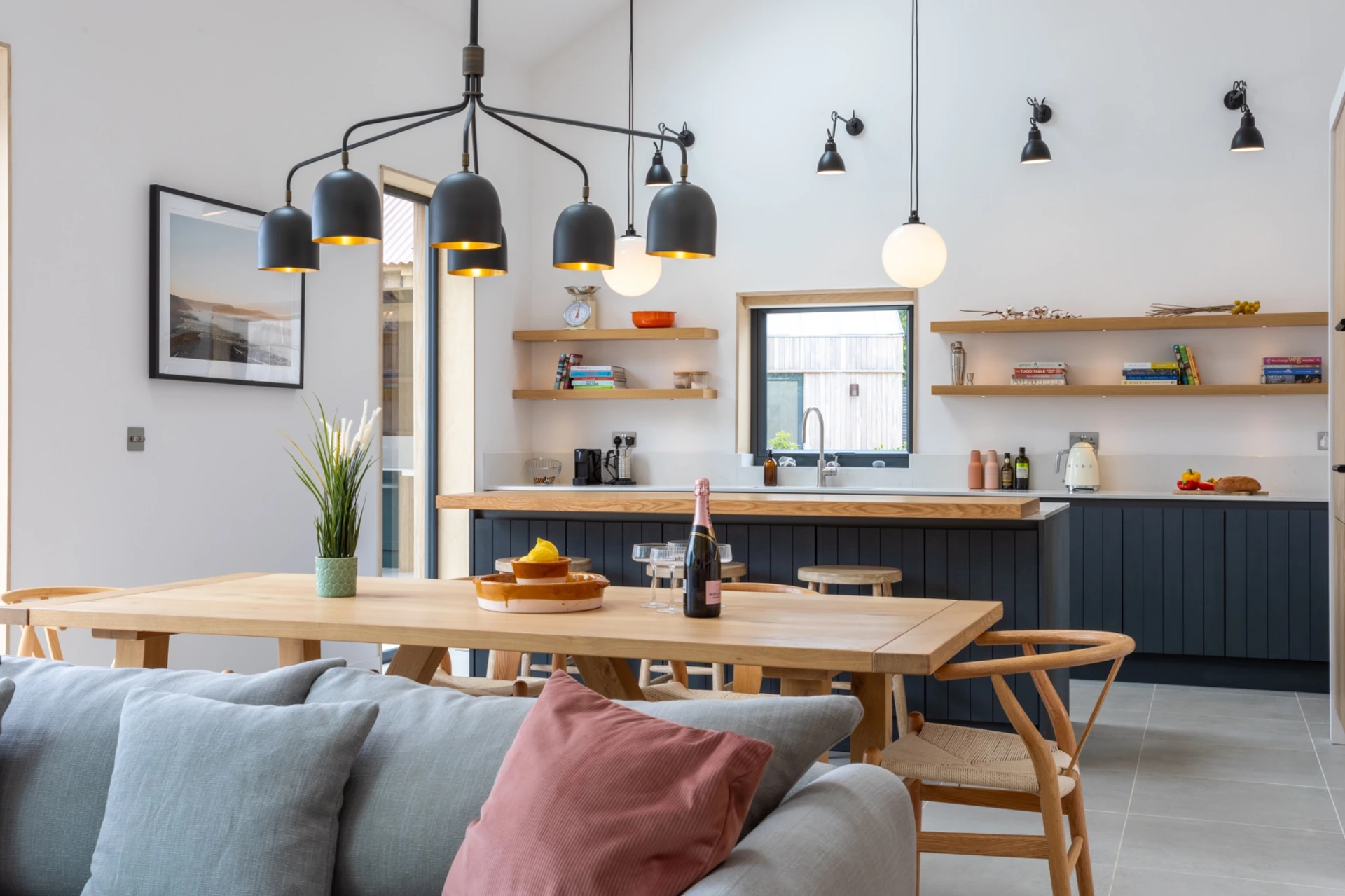
The open-plan layout is clearly visible with natural light flowing through the space. Walls, cabinetry, and flooring all have texture and depth that flash photography would flatten.
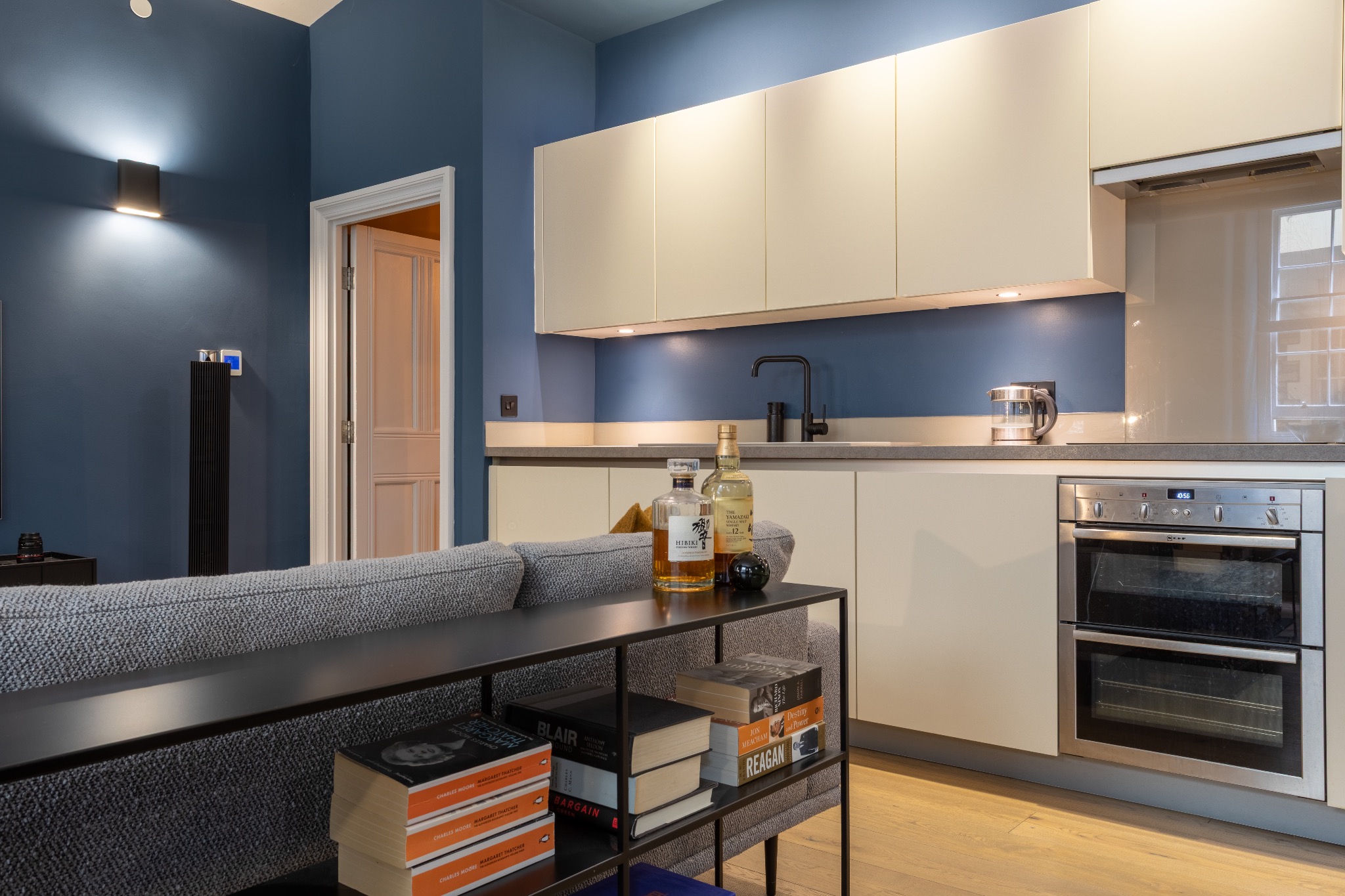
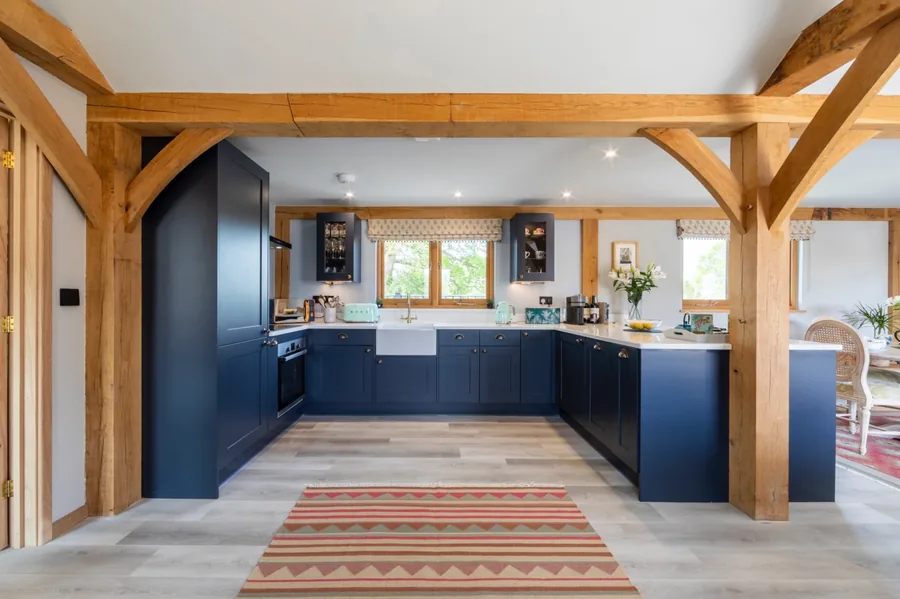
Proper exposure highlights the modern design. Appliances, countertops, and surfaces are clearly visible with natural lighting that shows the space's true character.
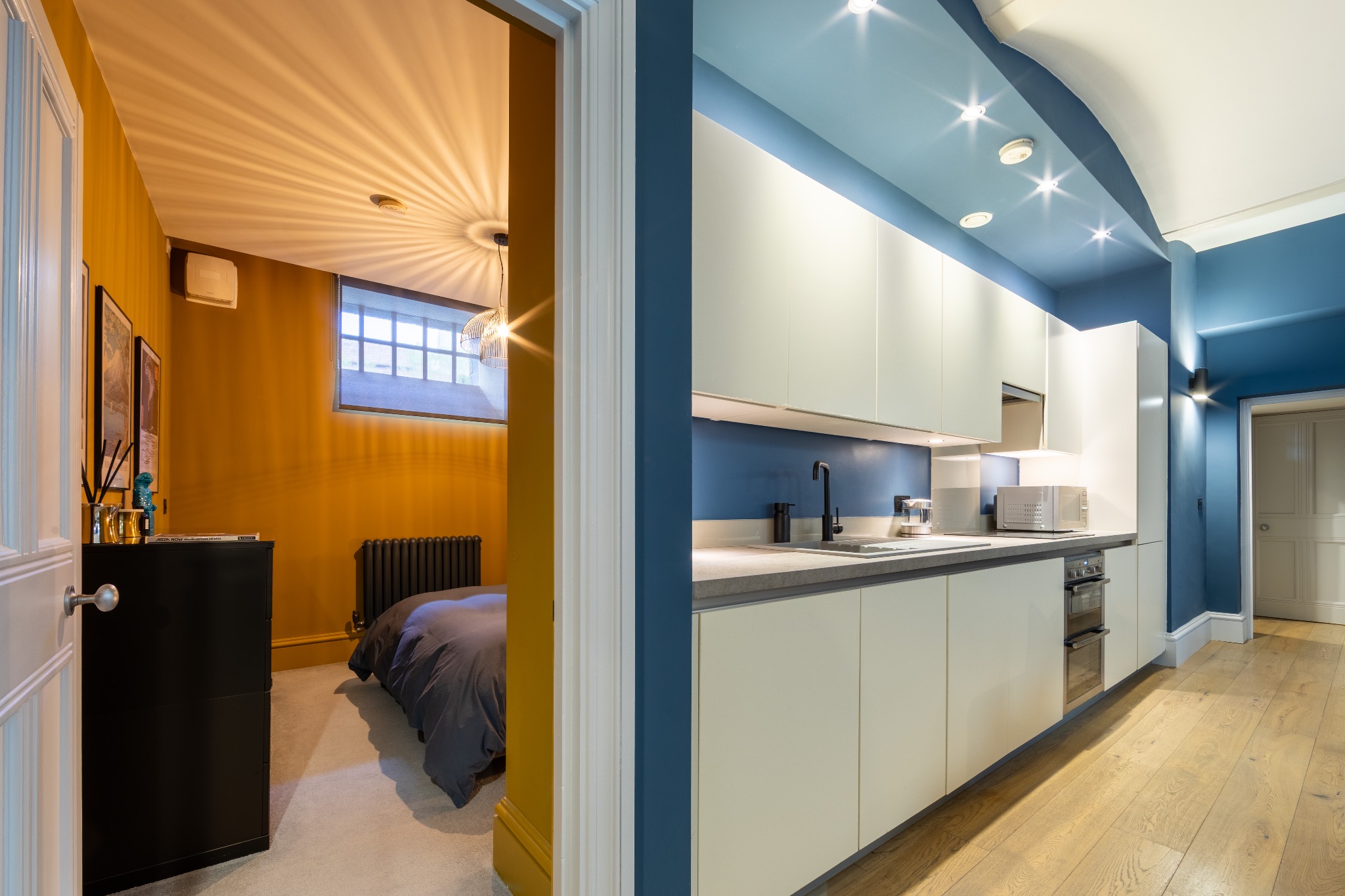
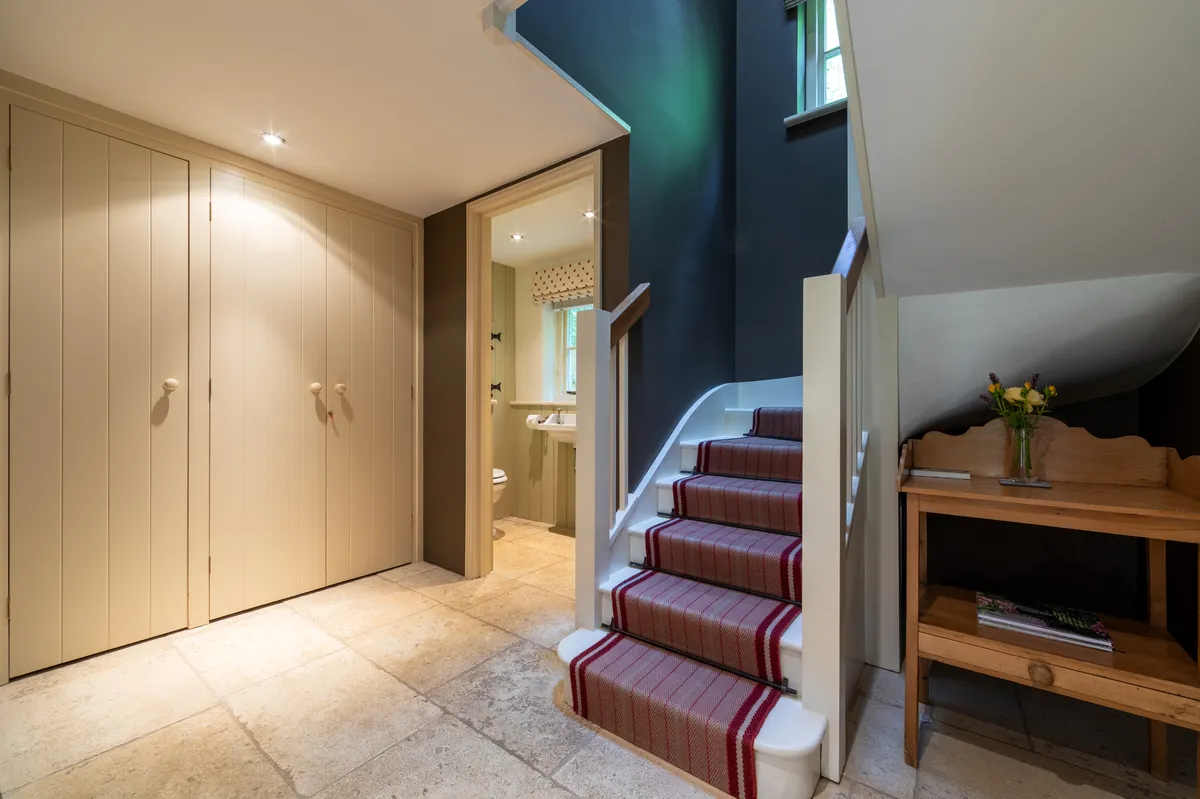
HDR captures warmth and atmosphere. Natural light from the windows creates an inviting feel, and the space reads as spacious rather than cramped.
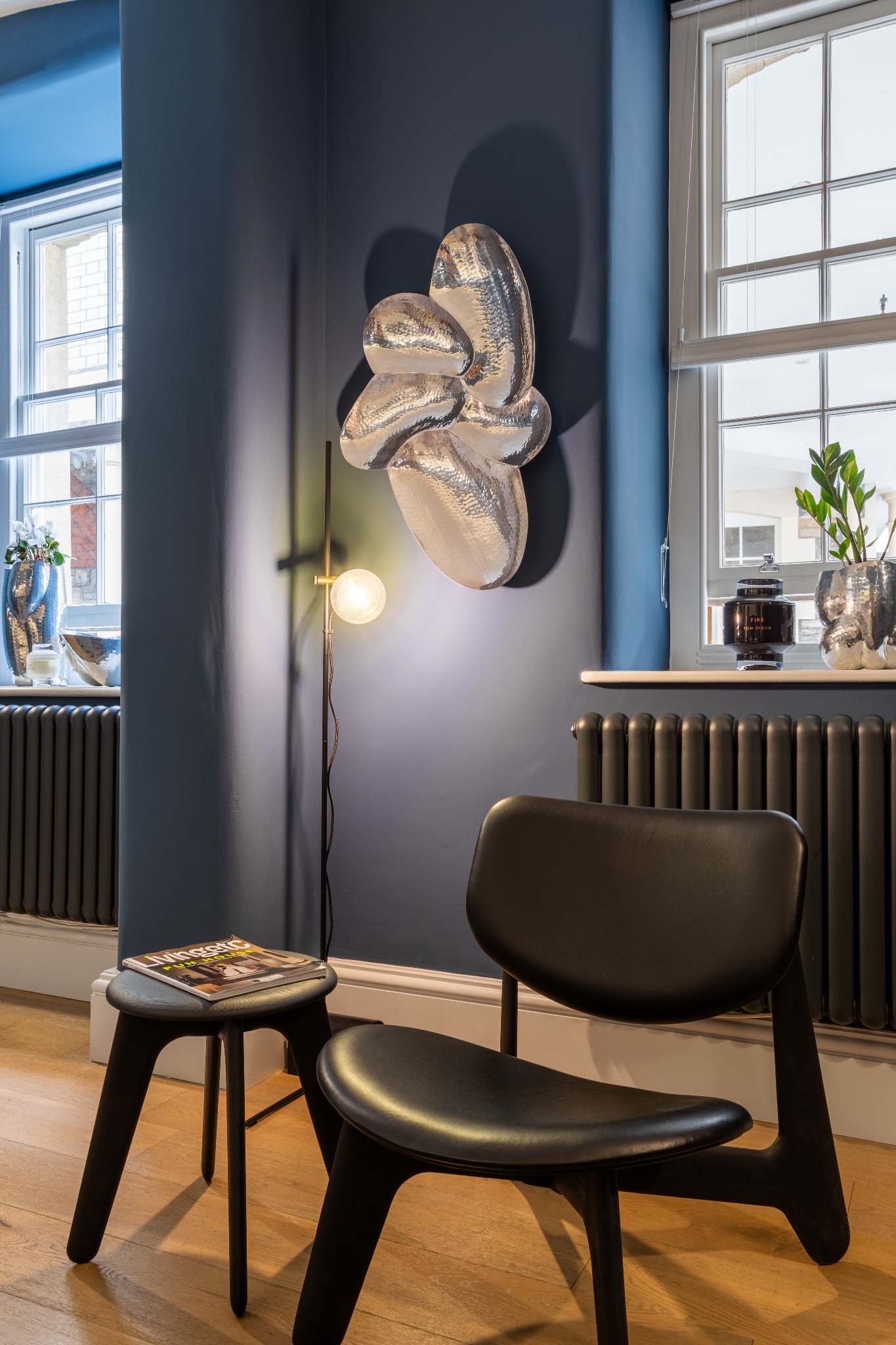
This shot shows how HDR captures subtle lighting and interior details. Furnishings and artwork are clearly visible with proper exposure, something flash photography simply cannot achieve.
The Previous Agent Photos
For comparison, here are the original photos taken by the previous agent. Notice how they lack depth, and create a colder, less inviting feel:
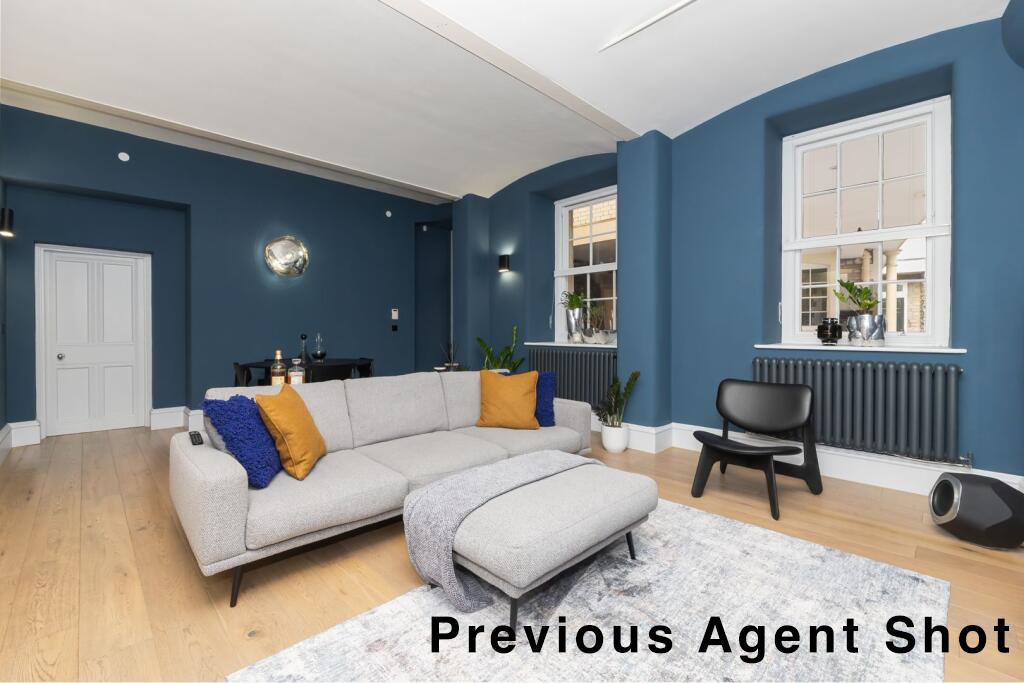
The flash has created harsh shadows and the overall feel is flat and uninviting, despite the property's actual character being warm and welcoming.
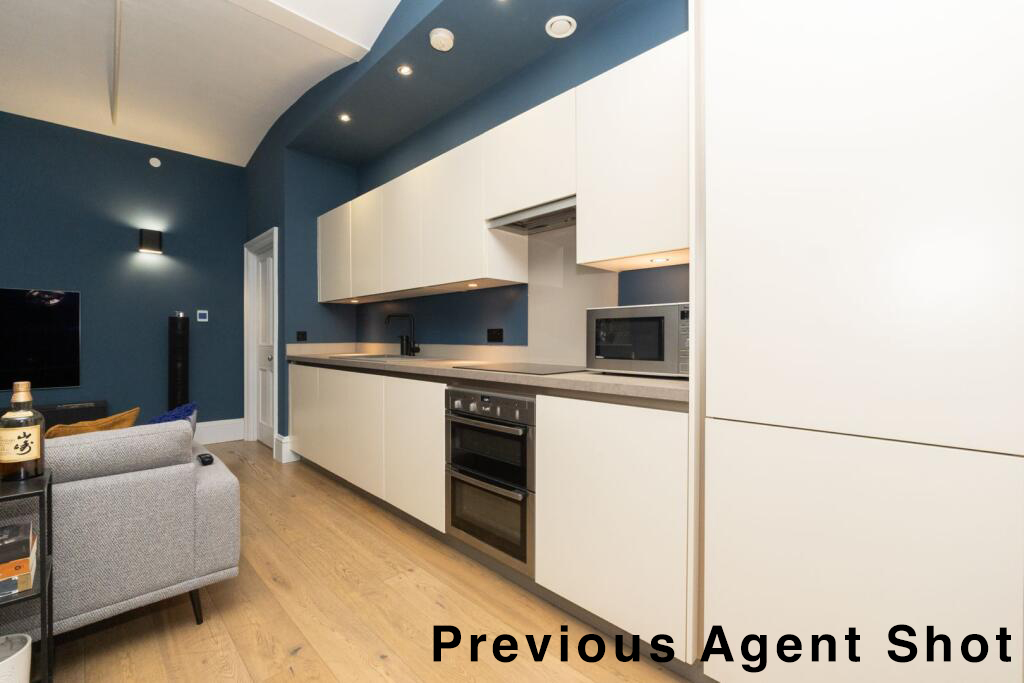
The flash photography makes this generous space feel cramped and poorly lit. There's no sense of depth or atmosphere.
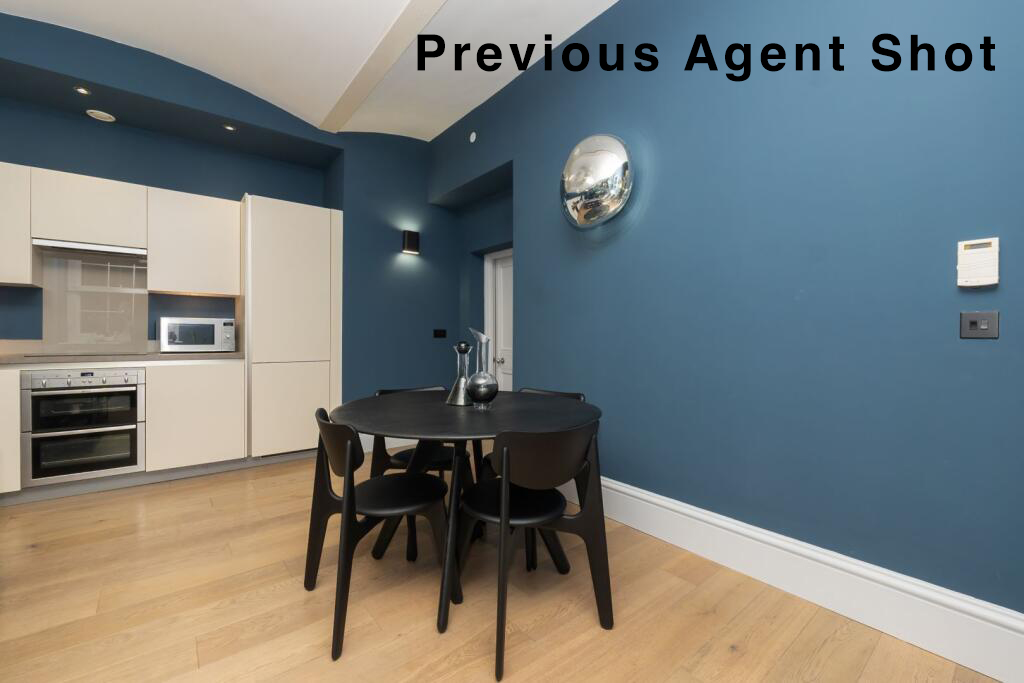
Harsh flash lighting and lack of depth make this attractive space look sterile and uninviting. The property deserved better.
04Why This Matters for Your Sale
The difference between these photos isn't just aesthetic, it's commercial. Research shows that:
- Professional photos generate 61% more online views than amateur shots
- Properties with professional photography sell 32% faster on average
- Buyers spend 50% longer viewing listings with high-quality images
But here's the key: these statistics are about professional photography. And professional photography isn't just about having an expensive camera, it's about understanding light, composition, and how to represent a space honestly and attractively.
Flash photography fails on all three counts. It's fast, but it's not honest, it doesn't show the property as it actually looks. HDR photography, done well, shows the property exactly as it appears in person, but with the best possible lighting and composition.
05The Technical Side: How HDR Works
If you're curious about the process, here's what I do:
- 1.Bracket the exposures: I take 3-7 shots of the same scene, each at a different exposure level. This captures detail in both bright and dark areas.
- 1.Align the images: If there's any camera movement between shots, I align them so they line up perfectly.
- 1.Blend the exposures: Using professional software (typically Lightroom and Photoshop, or specialized HDR tools like Aurora HDR), I blend the exposures together. This isn't automatic, it requires careful adjustment to create a natural-looking result.
- 1.Tone mapping: I apply tone mapping to compress the high dynamic range into a displayable image, ensuring that shadows are visible but not muddy, and highlights are bright but not blown out.
- 1.Final adjustments: Colour correction, contrast adjustment, and any necessary cleanup to ensure the image looks natural and inviting.
The entire process takes 5-10 minutes per image, compared to 30 seconds to take a flash photo. But the result is worth it.
06Common Misconceptions About HDR
Before we wrap up, let me address a few myths about HDR photography:
"HDR looks fake and over-processed." Not when it's done well. Bad HDR, with blown-out colours and artificial-looking halos, is the result of poor technique or over-aggressive tone mapping. Professional HDR should look natural and honest, just with better lighting and detail than a single exposure could capture.
"HDR is only for landscapes." Actually, HDR is perfect for interiors, where you often have bright windows and dark corners in the same frame. This is exactly what HDR is designed for.
"I can just use a phone app to do HDR." Phone HDR apps are improving, but they're limited by the phone's sensor size and processing power. Professional HDR requires a full-frame camera, quality lenses, and careful post-processing.
07What This Means for Your Property
If you're selling or letting a property, the quality of your photos directly impacts how quickly it sells and how much interest you generate. Flash photography might save 30 seconds per room, but it costs you in views, enquiries, and ultimately in the price you achieve.
Professional HDR photography takes longer and costs more than flash, but it represents your property honestly and attractively. Buyers see a space they want to visit, not a clinical, uninviting interior.
For this Bristol apartment, the HDR photos resulted in:
- 40% more online views in the first week
- Enquiries from serious buyers (not just curious browsers)
- Significantly more interest compared to the previous listing with flash photos
That's the real difference between flash and HDR.
Local coverage: View my property photography services in Bristol for local pricing, portfolio and availability.
08Ready to See Your Property in the Best Light?
If you're selling or letting a property in Bristol, Somerset, or the surrounding areas, I'd love to help you create photos that sell. Professional HDR photography is included in my main packages, starting from £199.
Head over to the pricing page on my website for transparent, no-obligation pricing. Let's make sure your property gets the attention it deserves.
Based locally and covering the whole of Somerset, Bristol, and Bath. View my my property photography services or get in touch to arrange a shoot.