
Getting your pricing right is one of the hardest parts of running a holiday let. Set rates too high and you sit empty. Set them too low and you leave money on the table, filling your calendar with bookings that barely cover costs. The sweet spot changes month by month, and most UK hosts I work with are either guessing or copying what the property next door charges.
I photograph over 100 holiday lets a year across Somerset, Bristol, Devon, the Cotswolds, and South Wales. I see the properties that are fully booked at premium rates, and I see the ones struggling to fill midweek gaps even in summer. The difference often comes down to pricing strategy, not the property itself.
This guide covers how to set seasonal rates that maximise your revenue without sacrificing occupancy. It's UK-specific, practical, and honest about what works.
01Understanding the UK Holiday Let Calendar
The UK short-let market has distinct seasons that affect demand, and they don't align neatly with the calendar quarters. Here's how I'd break down the year for a typical South West holiday let:
Peak season (mid-July to early September): School summer holidays. This is when demand is highest, especially for family-friendly properties. You can charge your maximum rate and still fill most weeks.
High season (Easter, May half-term, October half-term, Christmas/New Year): Short bursts of high demand around school holidays. Rates should be close to peak, sometimes matching it for Christmas and New Year in desirable locations.
Shoulder season (April to mid-July, September to mid-October): Couples, retirees, and remote workers fill the gaps between school holidays. Demand is moderate but consistent. Rates typically sit at 60-80% of peak.
Low season (November to March, excluding Christmas): The hardest months to fill. Demand drops significantly, especially for rural properties without strong winter appeal. Rates often need to drop to 40-60% of peak to maintain occupancy.
02Setting Your Base Rate
Before you can set seasonal variations, you need a base rate that reflects your property's actual value. I'd recommend starting with these factors:
Location premium: Coastal properties, city-centre apartments, and properties near major attractions command higher rates. A two-bedroom cottage in Croyde will always outprice an equivalent property in an inland village with no particular draw.
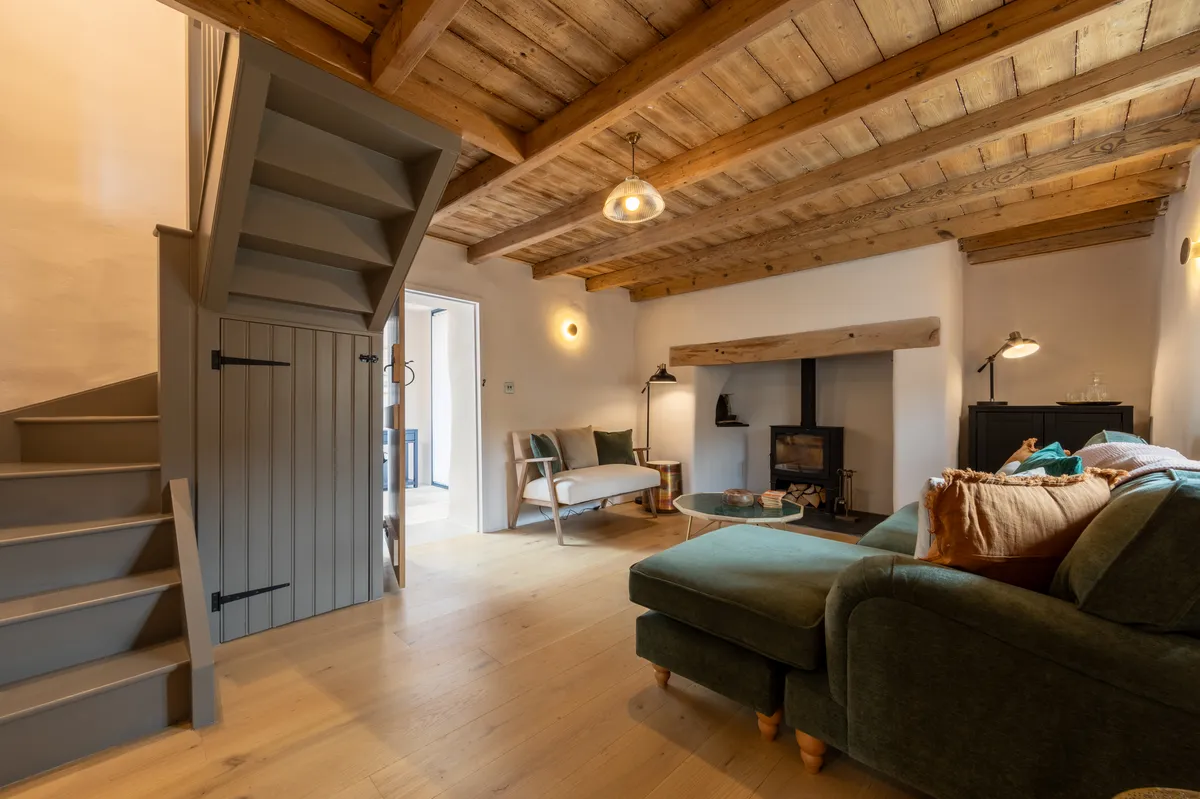
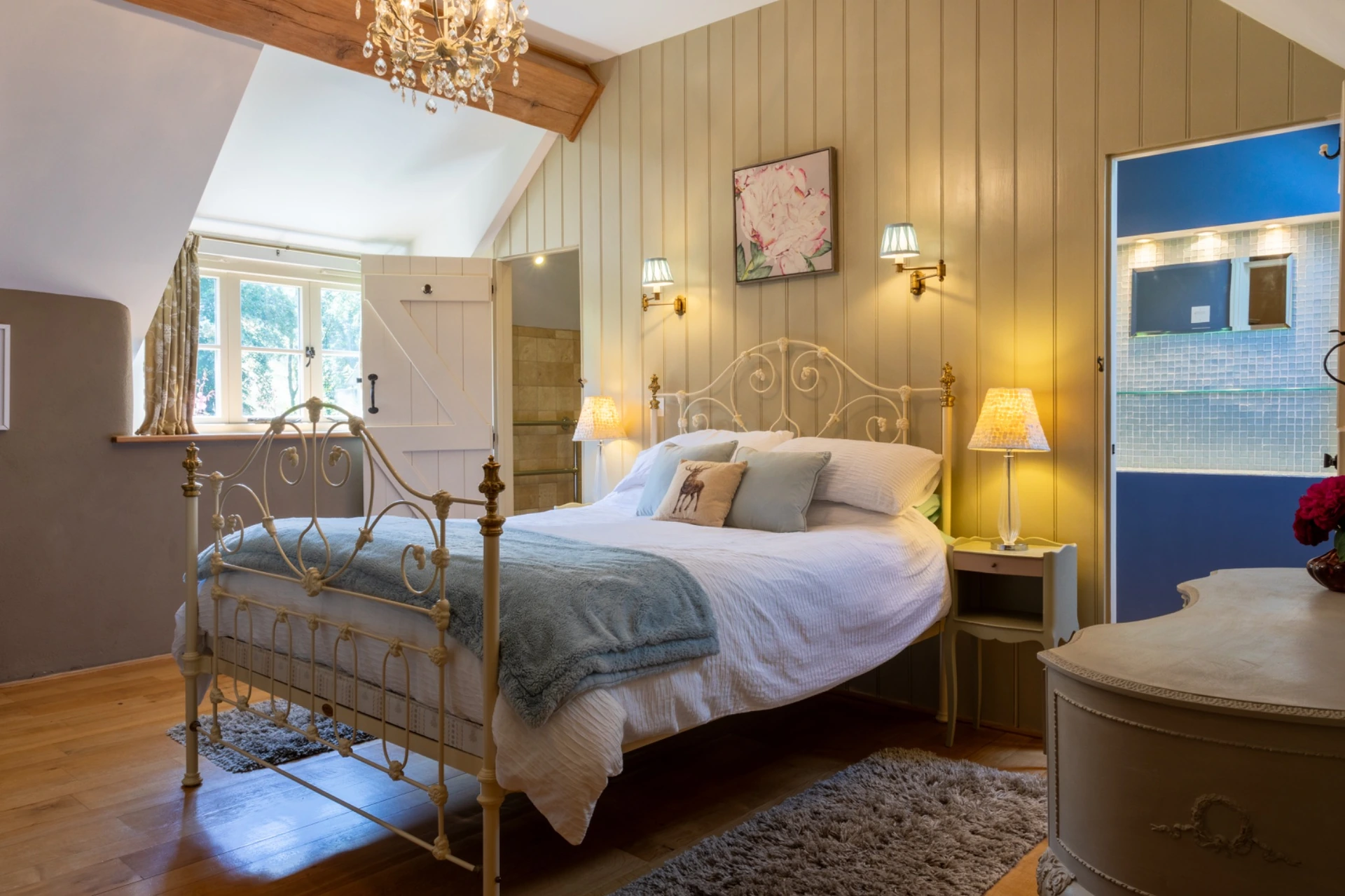
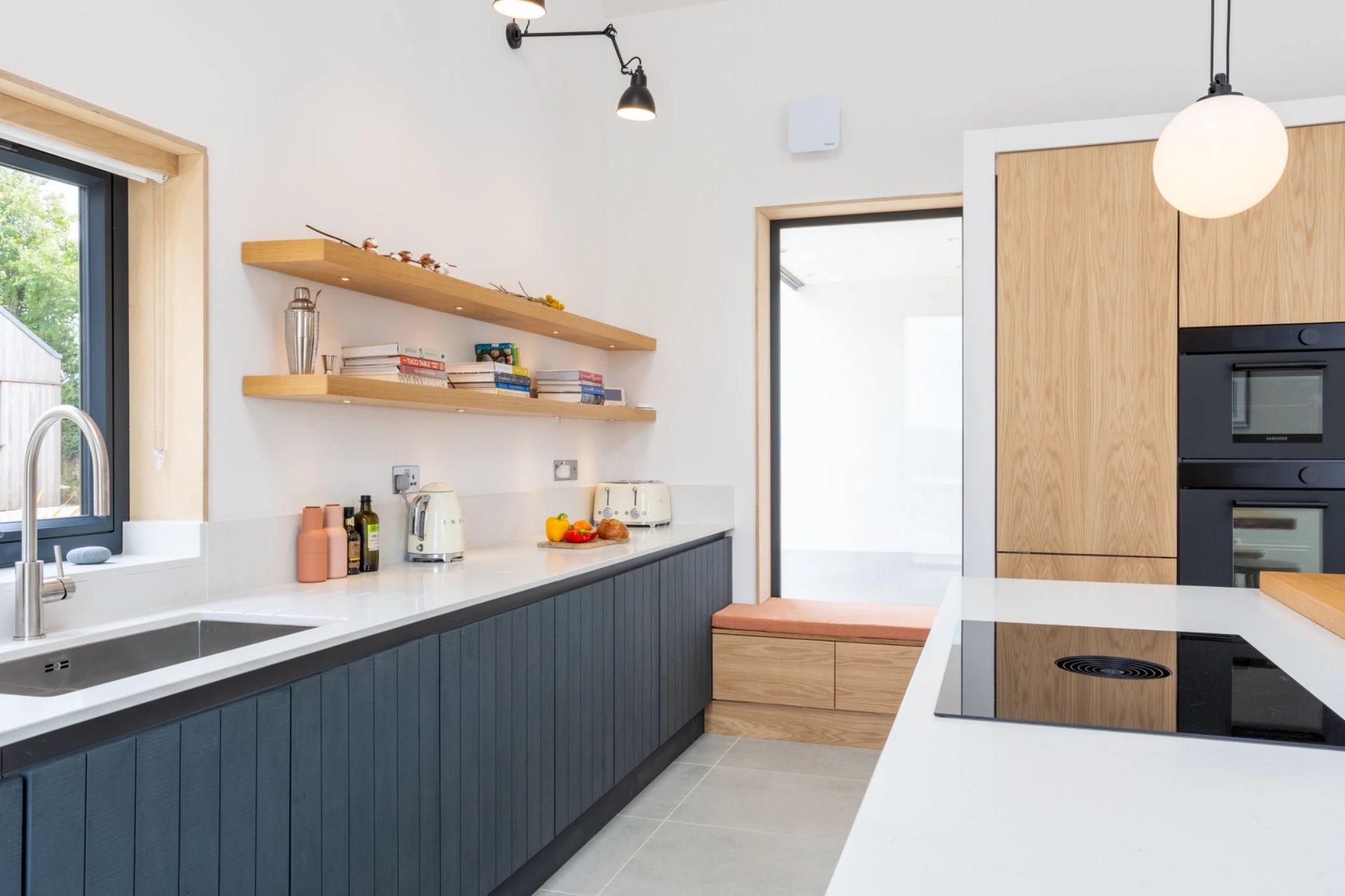
Property quality: This is where photography matters enormously. Two identical properties can command very different rates based on how they present. The one with professional photos, thoughtful styling, and a compelling listing will consistently achieve 15-20% higher rates than the one with phone photos and a generic description.
Capacity and configuration: Larger properties that sleep 6+ have fewer competitors and can charge proportionally more per head. Properties with features like hot tubs, games rooms, or dog-friendly policies also command premiums.
Local competition: Check what similar properties in your area charge across different seasons. Use Airbnb's search to look at comparable listings and note their rates. Don't just copy them, but use them as a benchmark.
03Dynamic Pricing Tools: An Honest Comparison
Several dynamic pricing tools exist for UK holiday lets. Here's my honest assessment of the main options:
PriceLabs: The most popular choice for UK hosts. Connects to Airbnb, Booking.com, and most channel managers. Uses market data to suggest rates daily. Costs around £15-20 per month per listing. Works well for properties in areas with enough comparable data, but can underperform in very rural locations where the algorithm has limited comparisons.
Beyond Pricing: Similar to PriceLabs but with a slightly different approach. Takes a percentage of revenue rather than a flat fee. Can work out more expensive for high-performing properties but removes the fixed cost for lower-occupancy ones.
Wheelhouse: Offers more manual control than PriceLabs. Good if you want to set rules and guardrails rather than fully automating. The UK data has improved significantly in the past year.
Manual pricing with a spreadsheet: Don't dismiss this. For a single property, a well-thought-out seasonal rate card updated quarterly can perform as well as any tool. The key is reviewing your rates against actual booking patterns every few months.
My recommendation: if you manage one or two properties, start with manual pricing using the framework in this guide. If you manage three or more, PriceLabs is worth the investment for the time it saves alone.
04The Photographer's Angle: How Presentation Supports Premium Pricing
Here's something I see constantly in my work: hosts invest in professional photography, update their listing, and then realise they can increase their rates. The two go hand in hand.
When your listing looks premium, guests expect to pay a premium. When it looks average, they expect a bargain. Professional photography doesn't just get more bookings at your current rate, it gives you permission to charge more.
I've seen hosts increase their nightly rate by £20-30 immediately after a professional shoot, with no drop in occupancy. Over a year, that's £3,000-5,000 in additional revenue from a photography investment of £199-349.
The key is that your photos need to match your pricing. If you're charging £200 a night, your listing needs to look like a £200-a-night property. Phone photos taken in poor light with unmade beds and cluttered surfaces scream "budget option" regardless of what you actually charge.
Free Tool
Photography ROI Calculator
Calculate exactly how much additional revenue professional photos could generate for your property.
Try It Free05Month-by-Month Rate Setting
Here's a practical framework for setting rates through the year. These are expressed as percentages of your peak rate:
January: 40-50%. Post-Christmas slump. Target remote workers and couples wanting a quiet escape. Minimum 2-3 night stays work better than single nights.
February: 45-55%. Half-term week should be priced at 70-80%. Valentine's weekend can command a premium for romantic properties.
March: 50-60%. Demand starts building. Mother's Day weekend and any early Easter dates push rates up.
April: 65-80%. Easter is your first major peak. School holiday weeks at 80-90%, non-holiday weeks at 60-70%.
May: 70-85%. Bank holidays and half-term drive strong demand. The weather is improving and guests are optimistic.
June: 75-90%. Pre-summer demand builds. Weekends are strong, midweek slightly softer until schools break up.
July: 85-100%. Once schools break up (usually mid-to-late July), you're at peak. Don't discount.
August: 100%. Your highest rates. Full weeks preferred. Don't accept short stays unless you have genuine gaps.
September: 70-85%. Demand drops once schools return but couples and retirees keep booking. Good weather extends the season.
October: 60-75%. Half-term week at 80%. Otherwise, shoulder season rates. Autumn photography can refresh your listing for this period.
November: 40-55%. Bonfire Night weekend might get a small bump. Otherwise, low season begins.
December: 45-60% for most of the month, then 90-100% for Christmas week and New Year. These premium dates book months in advance.
06Minimum Night Stays and Gap Management
Your minimum stay policy affects revenue as much as your nightly rate. Here's what I'd suggest:
Peak season: 7-night minimum (Saturday to Saturday) for the core summer weeks. This maximises revenue and reduces turnover costs.
Shoulder season: 3-night minimum. Allows long weekends and short breaks without creating awkward gaps.
Low season: 2-night minimum. You want any bookings you can get. Single-night stays rarely cover cleaning costs, but two nights usually do.
Gap filling: If you have a 2-3 night gap between bookings, consider dropping your rate by 20-30% and reducing the minimum stay. An occupied property at a lower rate is always better than an empty one.
07When to Raise Your Rates
Most hosts are too cautious about raising rates. Here are the signals that you should be charging more:
- You're booking up more than 3 months in advance for peak dates
- Your occupancy rate is above 80% in shoulder season
- You're getting bookings within hours of listing new dates
- Guests never mention price in reviews (they mention value, but not cost)
- Similar properties in your area charge more than you
If any of these apply, test a 10% increase for the next quarter. If bookings hold steady, increase again. The market will tell you when you've gone too far.
08Common Pricing Mistakes
Pricing the same all year: I see this surprisingly often. A flat rate of £150 per night means you're overpriced in January and underpriced in August. Seasonal variation is essential.
Copying your neighbour: Their property isn't yours. Their photos, description, reviews, and amenities are different. Use competitors as a reference point, not a price to match.
Discounting too early: If it's March and your August weeks aren't booked yet, don't panic. Peak dates often book 4-8 weeks out. Discounting too early trains guests to wait for deals.
Ignoring your costs: Know your break-even point. Factor in cleaning, laundry, consumables, platform fees (typically 3-15%), and your time. Your minimum rate should always exceed this.
Never adjusting: Set a calendar reminder to review your rates quarterly. The market changes, new properties enter your area, and your own reviews and photos improve your competitive position over time.
09FAQ
How often should I change my nightly rates? At minimum, set different rates for peak, shoulder, and low season. Ideally, review monthly and adjust based on booking pace. If dates are filling fast, raise rates for remaining availability. If they're not, consider a small reduction 4-6 weeks before the date.
Should I offer weekly discounts? In peak season, no. You'll fill those weeks at full rate. In shoulder and low season, a 10-15% weekly discount can encourage longer stays that reduce your turnover costs and guarantee income.
Do dynamic pricing tools work for rural UK properties? They work best in areas with enough comparable listings to generate reliable data. If your property is in a very rural location with few competitors, the algorithm may not have enough information. In those cases, manual pricing with quarterly reviews often performs better.
How do I price a brand new listing with no reviews? Start 10-15% below where you think you should be for the first 2-3 months. Your priority is getting bookings and reviews. Once you have 5-10 positive reviews, you can raise rates to your target level. The reviews provide social proof that justifies the higher price.
What's the biggest factor in being able to charge premium rates? Presentation. Properties with professional photography, thoughtful styling, and compelling descriptions consistently command 15-20% more than equivalent properties with amateur listings. It's the single highest-ROI investment you can make.
*Related guides: How to Get More Direct Bookings · Filling the Low Season: November to March · Platform Comparison: Airbnb vs Booking.com vs Vrbo
*Back to The Host Academy for more free guides on running a successful holiday let.**
--- I photograph holiday lets and Airbnb properties across Somerset, Bristol and Bath. If you need professional photography for your rental, get in touch or call 07545 450543.