
The low season is where most UK holiday let businesses either thrive or merely survive. From November to March (excluding Christmas and New Year), demand drops significantly. Properties that were fully booked in August sit empty for weeks. Hosts who relied on summer income watch their cash flow tighten as bills continue but bookings don't.
I photograph holiday lets year-round, and the difference between properties that fill their winter calendar and those that don't is rarely about the property itself. It's about strategy, presentation, and understanding what drives bookings when the weather isn't doing the selling for you.
This guide covers practical tactics for filling November to March, based on what I've seen work across hundreds of properties in Somerset, Devon, Bristol, Bath, the Cotswolds, and South Wales.
01Understanding Low-Season Demand
The first step is understanding who books holiday lets in winter and why. The audience is completely different from summer:
Remote workers and digital nomads: People who can work from anywhere and want a change of scenery. They book midweek, stay longer (5-7 nights), and care about Wi-Fi speed, desk space, and comfortable working environments.
Couples on short breaks: Romantic getaways, birthdays, anniversaries. They want cosy, atmospheric properties with log burners, hot tubs, and good restaurants nearby. They book Friday-Sunday, 2-3 nights.
Retirees and semi-retired travellers: Free from school holiday constraints, they travel off-peak by choice. They want comfortable, well-heated properties with easy access to walking, culture, and good food. They often book longer stays (5-14 nights).
Dog owners: Winter walks are some of the best, with empty beaches and quiet countryside. Dog-friendly properties have a significant advantage in low season because dog owners travel year-round.
Event attendees: Conferences, weddings, sporting events, and festivals that happen in winter. If your property is near a venue or city, these guests book regardless of season.
02Pricing for Low Season
Your low-season pricing strategy should be different from simply discounting your summer rates:
Set a floor price: Calculate your absolute minimum, the rate that covers cleaning, laundry, consumables, utilities, and platform fees. Never go below this. For most UK holiday lets, this is £80-120 per night depending on size and location.
Use dynamic minimums: Your minimum stay should drop in low season. Summer might be 7 nights, but winter should be 2 nights (or even 1 night for properties near cities). More bookings at lower rates beats fewer bookings at higher rates when demand is low.
Offer weekly discounts: A 15-20% discount for 7+ night stays in winter attracts remote workers and retirees who want extended breaks. The reduced turnover costs (fewer cleans, less laundry) offset the discount.
Last-minute pricing: If dates are still available within 2 weeks, drop your rate by 20-30%. A filled night at a lower rate is always better than an empty one. Some hosts use "flash sale" posts on social media for last-minute availability.
Don't discount Christmas and New Year: These dates book at premium rates regardless of season. Treat them as peak, not low season.
03Photography for Winter Appeal
This is where my professional perspective is most relevant. Most holiday let listings are photographed in summer, with bright sunshine, green gardens, and blue skies. Those photos don't sell winter stays.
If you want to fill your low-season calendar, you need photos that show your property's winter appeal:
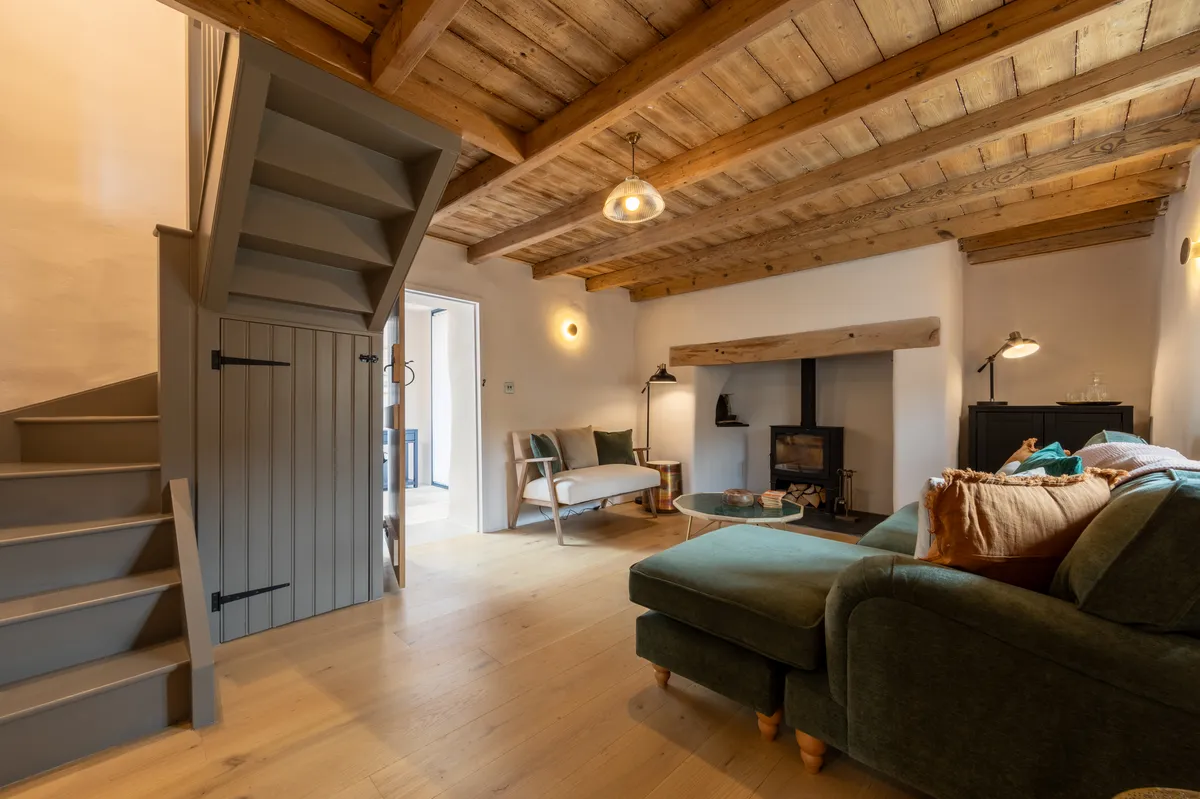
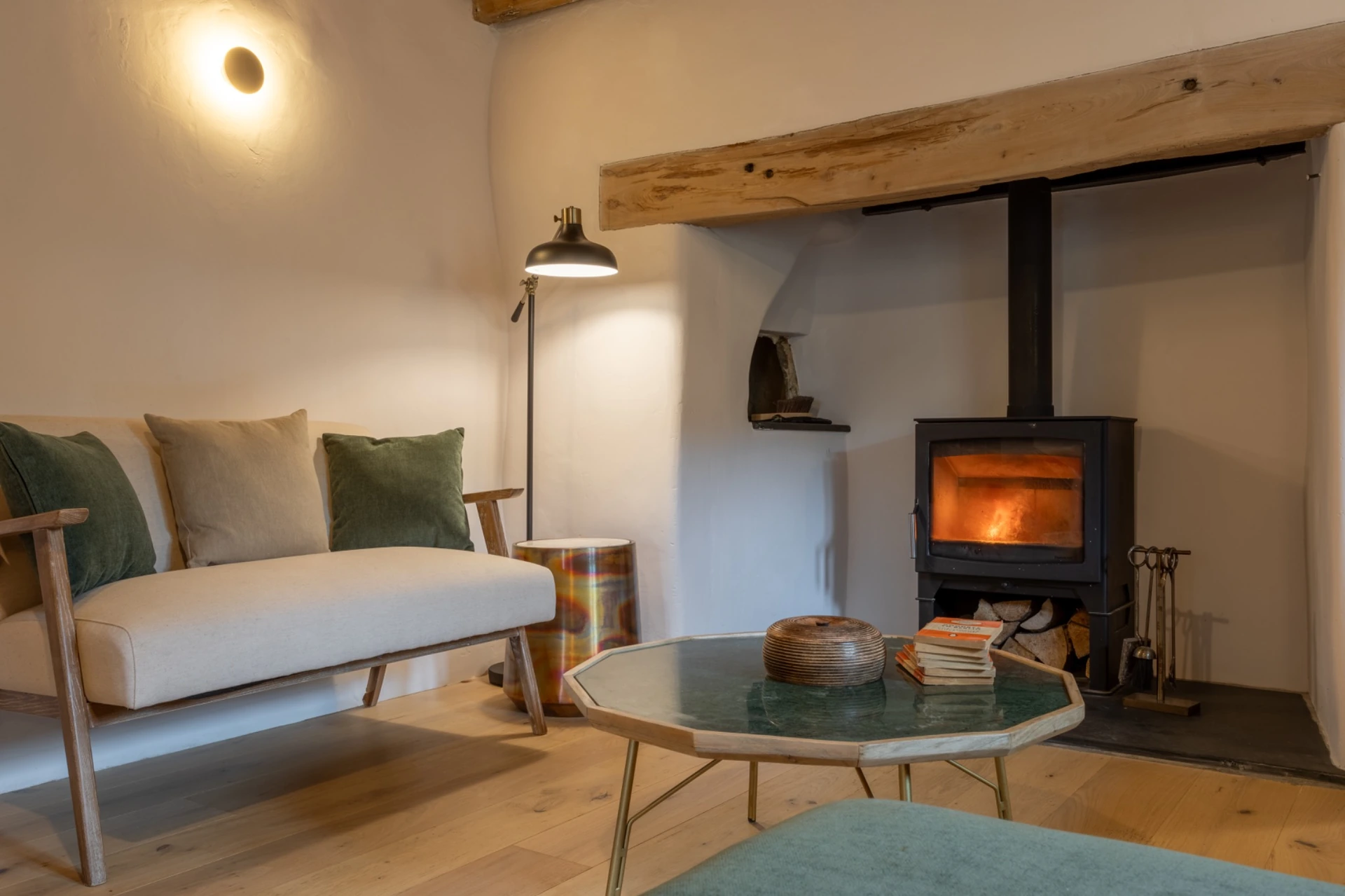
Log burner lit: The single most powerful winter-selling image. A glowing fire with a cosy sofa and soft lighting says "winter escape" more effectively than any words.
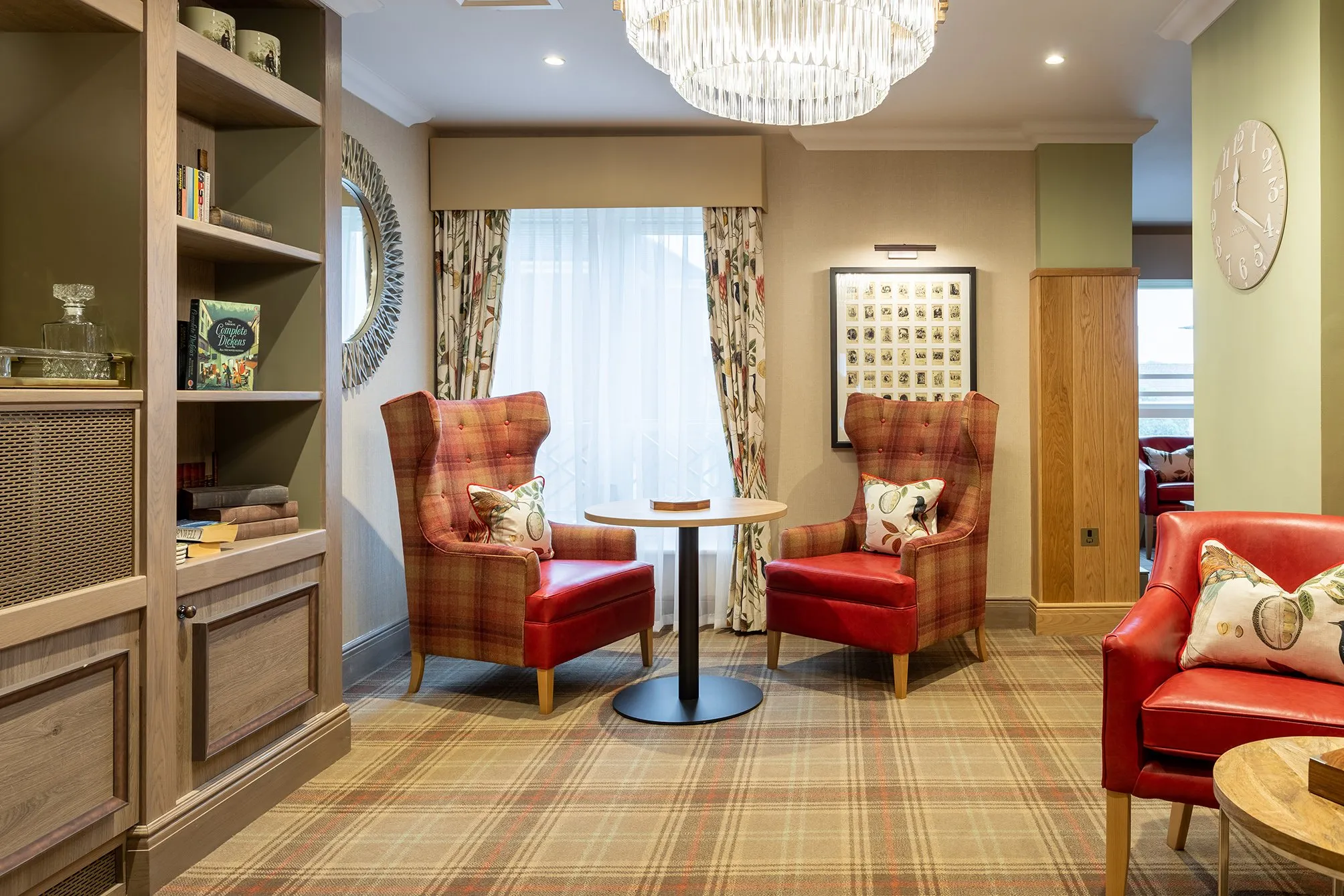
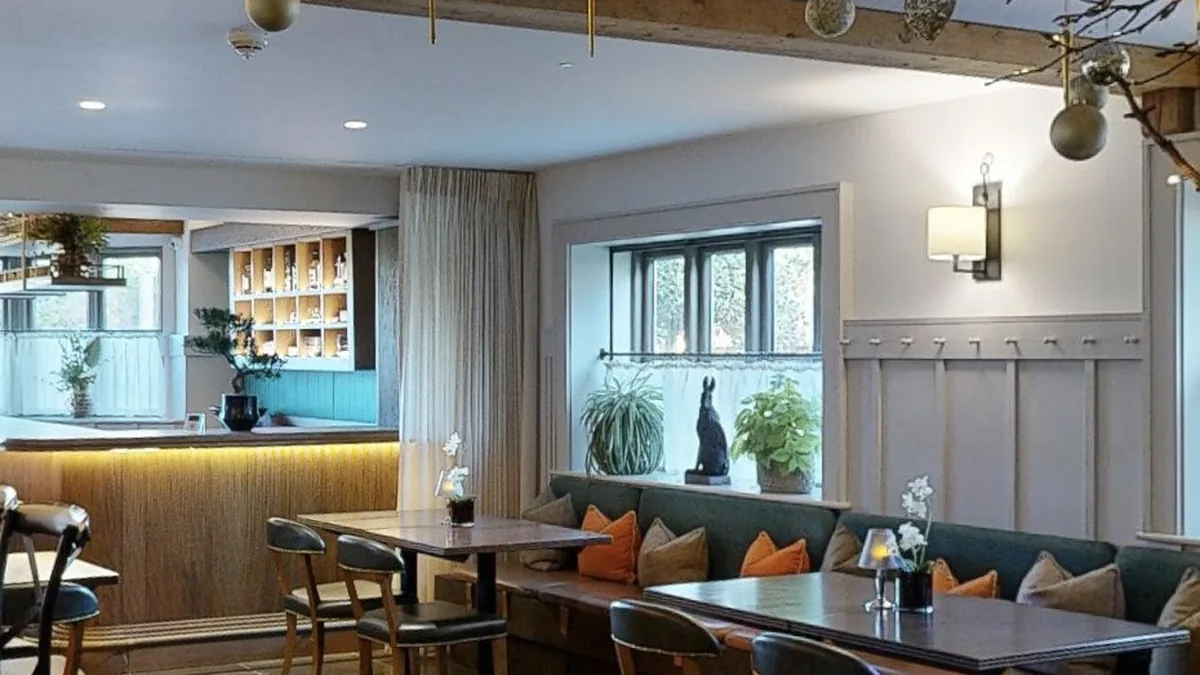
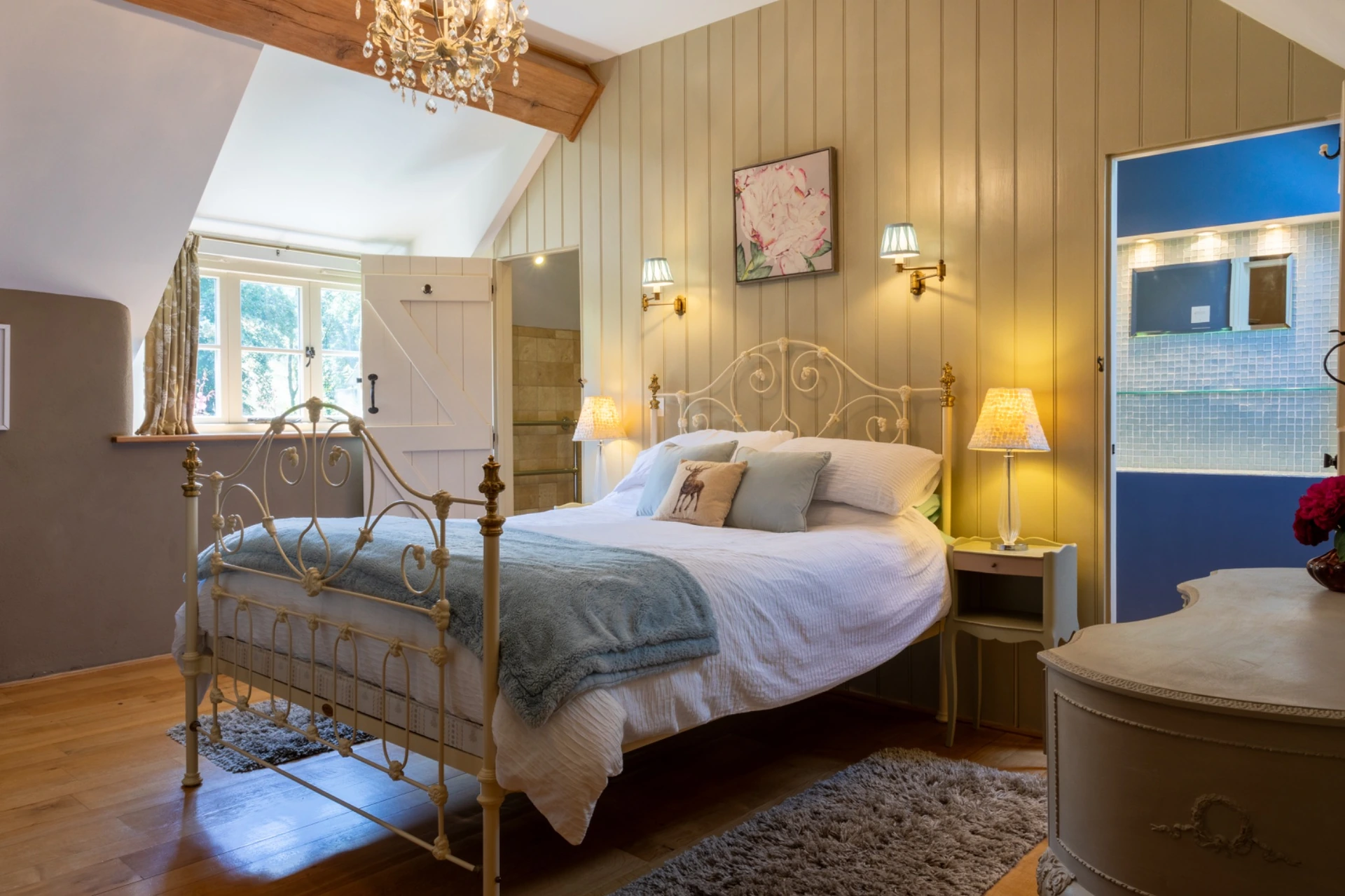
Atmospheric lighting: Lamps on, candles lit, warm tones throughout. Winter guests want to see that the property feels warm and inviting when it's dark and cold outside.
Cosy details: Thick throws on sofas, hot chocolate setup, a book and reading lamp, fluffy towels. These details photograph beautifully and trigger the emotional response that drives winter bookings.
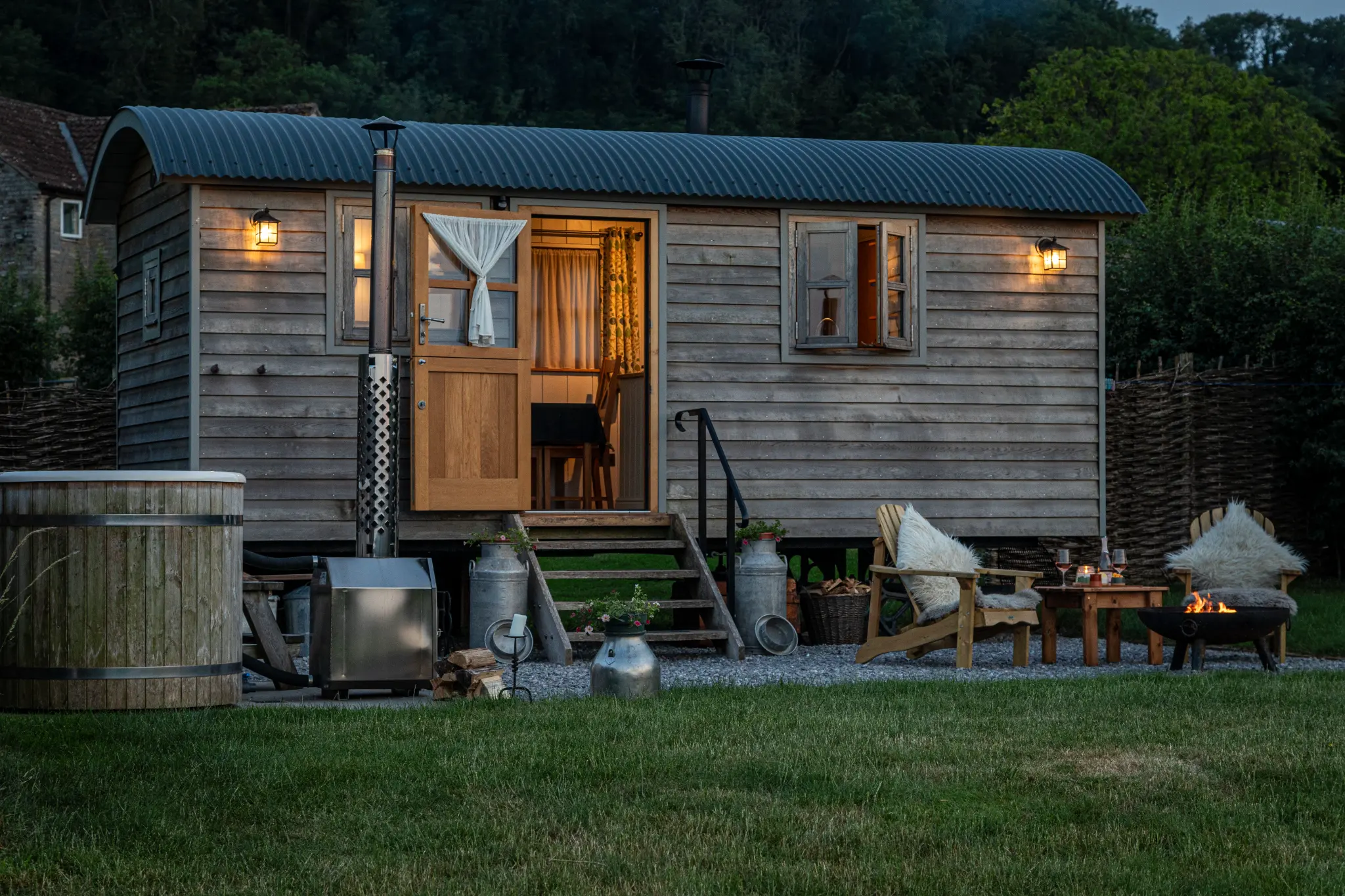
Winter exterior: Your property with frost, autumn leaves, or moody skies can be more atmospheric than a summer shot. It shows guests what they'll actually experience.
Hot tub at dusk: If you have a hot tub, a dusk or evening shot with steam rising is incredibly compelling for winter bookings. It's one of the most-requested shots I take for holiday let clients.
I offer twilight photography as an add-on for exactly this reason. A twilight exterior with warm light glowing from windows is the ultimate winter-selling image. It costs £95 on top of a standard shoot, and for properties targeting winter bookings, it pays for itself many times over.
Free Tool
Photography ROI Calculator
See how winter-specific photography could increase your low-season bookings and revenue.
Try It Free04Listing Optimisation for Winter
Your listing description should change with the seasons. Here's what to emphasise from October onwards:
Update your title: Add winter-specific keywords. "Cosy Cottage with Log Burner" performs better in winter than "Sunny Cottage with Garden." You can change your title seasonally without affecting your reviews or ranking.
Rewrite your opening paragraph: Mention the winter experience. "Escape to a stone cottage where the log burner crackles, the hot chocolate is ready, and the Mendip Hills are waiting for crisp winter walks."
Highlight winter amenities: Log burner, underfloor heating, heated towel rails, hot tub, Netflix/streaming, board games, thick duvets, electric blankets. These matter in winter and should be prominent.
Mention winter activities: Christmas markets, winter walks, cosy pubs, local events. Show guests that there's plenty to do even when the weather is cold.
Update your photos: If you have winter-specific photos, make them your cover image from October to March. Airbnb allows you to reorder photos easily.
05Marketing Channels for Low Season
Different marketing approaches work better in winter:
Instagram: Post atmospheric winter content from September onwards. Cosy interiors, log burner shots, winter walks, local pubs. Build the desire for a winter escape before guests start planning.
Email your past guests: Send a "winter escape" email to your guest database in September/October. Offer a returning guest discount. Past guests who visited in summer might not have considered a winter stay until you suggest it.
Dog-friendly directories: If your property is dog-friendly, list on Canine Cottages, Dog Friendly Cottages, and similar sites. Dog owners are the most reliable low-season market.
Remote worker platforms: List on sites like WiFi Tribe, Outsite, or remote worker Facebook groups. Emphasise your Wi-Fi speed, desk space, and the appeal of working from a countryside/coastal location.
Last-minute deals: Platforms like Snaptrip and Last Minute Cottages specialise in filling short-notice availability. The commission is higher, but a filled week at reduced commission beats an empty one.
06Creating Winter Experiences
Give guests a reason to visit in winter specifically, not just a discounted version of summer:
Seasonal welcome hampers: Hot chocolate, local mince pies, mulled wine spices, a good bottle of red. Make the welcome feel seasonal and special.
Winter activity guides: Create a specific section in your welcome book for winter. Best winter walks (shorter, lower-level routes that work in wet weather), pubs with roaring fires, indoor activities for rainy days.
Partnerships with winter businesses: Spa days, cooking classes, wine tastings, indoor climbing, escape rooms. Partner with businesses that thrive in winter and offer your guests preferential rates.
Event-based marketing: Christmas markets, bonfire nights, winter festivals, New Year's Eve events. If something is happening near your property, create a specific listing or social media post targeting guests who want to attend.
07Extended Stays and Monthly Lets
For properties struggling to fill winter weeks, consider offering monthly rates:
The maths: A property that charges £150/night in summer might sit empty 4 nights per week in winter. At £100/night with 50% occupancy, that's £350/week. A monthly let at £1,800-2,500 guarantees income, eliminates turnover costs, and keeps the property occupied (which prevents damp and maintenance issues).
Who books monthly: Remote workers on extended projects, people between house moves, contractors working in the area, retirees trying an area before buying. These are reliable, low-maintenance guests.
Platform options: Airbnb allows monthly discounts and longer stays. Furnished Finders and SpareRoom also work for this market. Your own website with a "winter monthly rate" page can attract direct enquiries.
Considerations: Check your planning permission and insurance. Some holiday let permissions restrict continuous lets beyond 28 days. Your insurance may need adjusting for longer stays. And your mortgage terms (if applicable) may have restrictions.
08Maintenance and Preparation
Winter brings specific challenges that can lead to bad reviews if not managed:
Heating reliability: Service your boiler before October. A broken boiler in January is an emergency, not an inconvenience. Keep a portable heater as backup.
Damp and ventilation: Properties that sit empty between bookings can develop damp in winter. Use a dehumidifier on a timer, and ensure guests know how to ventilate properly (especially in bathrooms).
Frozen pipes: If your property is in an exposed location, keep heating on a low setting between guests. The cost of running the heating is far less than the cost of burst pipes.
Dark arrivals: In winter, guests arrive in the dark. Ensure exterior lighting is working, the path is clear, and the property is warm and lit when they arrive. A cold, dark property on a winter evening is deeply unwelcoming.
Shorter days: Your property needs to look good in artificial light, not just daylight. Invest in warm, atmospheric lighting throughout. This also photographs beautifully for your winter listing images.
09Measuring Low-Season Success
Track these metrics to understand whether your low-season strategy is working:
Occupancy rate: Aim for 50-60% in low season (compared to 80-90% in peak). Below 40% suggests your pricing or marketing needs work.
Revenue per available night (RevPAN): Total revenue divided by total available nights. This accounts for both rate and occupancy. A useful metric for comparing performance across seasons.
Booking lead time: How far in advance are winter bookings made? If most are last-minute (within 2 weeks), you might be priced too high for advance bookings. If they're all booked months ahead, you might be priced too low.
Guest source: Where are your winter bookings coming from? If they're all from one platform, diversify. If none are direct, work on your repeat-guest strategy.
10FAQ
What's a realistic occupancy rate for winter in the South West? For a well-marketed, well-priced property: 50-65%. For a property with strong winter appeal (hot tub, log burner, dog-friendly, near a city): 60-75%. For a property with no winter-specific marketing: 20-35%. The gap between these numbers represents the opportunity.
Should I close my property for winter instead? Only if your costs of staying open (heating, maintenance, cleaning) exceed your realistic winter revenue. For most properties, even modest winter bookings cover costs and prevent the maintenance issues that come with leaving a property empty and unheated for months.
Is it worth getting winter-specific photos taken? Absolutely. A twilight exterior, a lit log burner, and some cosy interior shots can transform your winter booking rate. I see properties double their November-February bookings after adding winter photography to their listing. The investment (typically £95-200 for a twilight add-on or winter mini-shoot) pays back within 2-3 additional bookings.
How do I compete with cheaper properties in winter? Don't compete on price alone. Compete on experience. A property that offers a genuine winter escape experience (atmosphere, warmth, local recommendations, thoughtful touches) can charge more than a cold, generic property even in low season. Invest in the experience, not just the discount.
When should I start marketing for winter? September. Guests planning Christmas and New Year breaks book in September-October. Couples planning winter weekends book 4-8 weeks ahead. Remote workers booking monthly stays plan 2-4 weeks ahead. Start your winter content and email campaigns by mid-September at the latest.
*Related guides: Seasonal Pricing for UK Holiday Lets · How to Get More Direct Bookings · Platform Comparison: Airbnb vs Booking.com vs Vrbo
*Back to The Host Academy for more free guides on running a successful holiday let.**
--- I photograph holiday lets and Airbnb properties across Somerset, Bristol and Bath. If you need professional photography for your rental, get in touch or call 07545 450543.