
Most UK holiday let owners start on Airbnb. It's the platform they know as travellers, it's relatively easy to set up, and it has strong brand recognition. But Airbnb isn't the only option, and for many UK properties, it's not even the best one.
I photograph holiday lets across Somerset, Bristol, Bath, Devon, the Cotswolds, and South Wales. I see the booking dashboards, I hear the conversations about what's working, and I notice which properties are thriving on which platforms. The answer to "which platform is best?" is almost always "it depends," but this guide will help you figure out what it depends on for your specific property.
01The UK Short-Let Platform Landscape in 2026
The UK market is dominated by three platforms, each with a distinct audience and business model:
Airbnb: The largest global platform with strong brand recognition among younger travellers (25-45). Known for unique properties and experiences. Strong in cities and trendy rural areas. Weaker for traditional family holiday lets.
Booking.com: Originally a hotel platform, now the largest accommodation platform globally by listing count. Dominates the European market. Strong with international travellers, business travellers, and older demographics. Excellent for properties near cities and transport links.
Vrbo (formerly HomeAway): Owned by Expedia Group. Focuses exclusively on whole-property rentals (no room shares). Strong with families and groups. Popular in traditional UK holiday destinations (Cornwall, Devon, Lake District, Scottish Highlands).
02Fee Structures Compared
Understanding the true cost of each platform is essential for pricing correctly:
Airbnb Split Fee Model: - Host pays: 3% service fee - Guest pays: 14-16% service fee - Total platform take: 17-19% - Your listed price appears lower, but guests pay significantly more
Airbnb Simplified Pricing: - Host pays: 15% (includes service fee and payment processing) - Guest pays: nothing extra - Total platform take: 15% - Cleaner for guests, more expensive for hosts
Booking.com: - Host pays: 15% commission (standard), negotiable down to 12% for high-volume properties - Guest pays: nothing extra (usually) - Total platform take: 15% - Simple, transparent, but expensive
Vrbo: - Host pays: 5% service fee + 3% payment processing = 8% - Guest pays: 6-12% service fee - Total platform take: 14-20% - Lower host fees but smaller audience in the UK
Direct booking (for comparison): - Host pays: 1.4-2.9% payment processing (Stripe) - Guest pays: nothing - Total platform take: under 3%
The fee difference between platforms might seem small in percentage terms, but over a year it adds up. On £30,000 annual revenue, the difference between Airbnb's 15% and Vrbo's 8% host fee is £2,100.
03Audience Demographics and Booking Behaviour
Each platform attracts different guests, which affects your bookings, reviews, and overall experience:
Airbnb guests tend to be: - Younger (25-45) - More adventurous and experience-seeking - Comfortable with unique/quirky properties - Active reviewers (high review rate) - Price-sensitive but willing to pay for uniqueness - Shorter stays (2-4 nights average) - Strong mobile app usage
Booking.com guests tend to be: - Broader age range (30-65) - More international (especially European) - More transactional and comparison-focused - Lower review rate but reviews tend to be detailed - Less price-sensitive, more convenience-focused - Mix of short and longer stays - Often booking as part of a multi-stop trip
Vrbo guests tend to be: - Families and larger groups - Older (35-60) - Planning further in advance - Longer stays (5-7 nights average) - Higher average booking value - Less frequent travellers (fewer reviews) - More traditional holiday expectations
04Which Platform Suits Which Property?
Based on what I see across the properties I photograph:
Best on Airbnb: - Unique, characterful properties (converted barns, treehouses, shepherd's huts) - City apartments and urban properties - Properties with strong visual appeal (great for Airbnb's photo-heavy search) - Smaller properties (1-2 bedrooms) targeting couples - Properties in trendy areas (Cotswolds, Bristol, Bath)
Best on Booking.com: - Properties near transport links (airports, train stations) - City-centre apartments - Properties targeting international visitors - Business-travel-friendly properties (good Wi-Fi, desk space) - Properties in tourist cities (Bath, Oxford, Edinburgh)
Best on Vrbo: - Larger properties (3+ bedrooms) targeting families - Traditional holiday cottages in established holiday areas - Properties with gardens, games rooms, and family amenities - Coastal and countryside properties - Properties in Devon, Cornwall, Lake District, Wales
Best on multiple platforms: - Most UK holiday lets should be on at least two platforms - Use a channel manager to sync calendars and avoid double bookings - Different platforms fill different gaps in your calendar
05The Multi-Platform Strategy
The most successful hosts I work with don't choose one platform. They use multiple platforms strategically:
Primary platform (60-70% of bookings): The platform that best suits your property type and location. This is where you invest most effort in optimising your listing, responding quickly, and building reviews.
Secondary platform (20-30% of bookings): A different platform that reaches a different audience. This fills gaps that your primary platform doesn't cover (different demographics, different booking patterns, different seasons).
Direct bookings (10-20% of bookings): Your own website or repeat-guest channel. The most profitable bookings with no commission. Build this over time using the tactics in my direct bookings guide.
Channel manager (essential for multi-platform): Tools like Hospitable, Lodgify, or Guesty sync your calendar across all platforms in real time. Without one, you risk double bookings. Cost: £20-50/month, but essential if you're on more than one platform.
06Platform-Specific Optimisation Tips
Airbnb Optimisation
Photos: Airbnb is the most visual platform. Your cover photo is everything. Invest in professional photography and make your first 5 images count. Airbnb's algorithm favours listings with high-quality photos.
Title: 50 characters max before truncation on mobile. Include your property type, key feature, and location. "Cosy Cottage, Log Burner, 5 Min to Beach" outperforms "Beautiful Holiday Home."
Response time: Airbnb tracks and displays your response time. Under 1 hour is ideal. This directly affects your search ranking.
Instant Book: Enabling Instant Book significantly improves your search ranking on Airbnb. If you're uncomfortable with it, use the "experienced guests only" filter.
Superhost status: Maintain 4.8+ rating, 90%+ response rate, 10+ stays per year, and less than 1% cancellation rate. Superhost badge improves visibility and trust.
Booking.com Optimisation
Completeness: Booking.com rewards listings with complete information. Fill in every field, every amenity, every policy detail. Their algorithm favours comprehensive listings.
Pricing flexibility: Booking.com's "Genius" programme offers discounts to frequent bookers. Opting in increases visibility significantly, though it reduces your rate by 10% for Genius members.
Photos: Upload at least 20-30 photos. Booking.com shows more photos in search results than Airbnb. Label each photo with the room/area it shows.
Reviews: Booking.com's review system is automatic (guests receive a prompt after checkout). You can't influence the timing, but you can influence the experience that generates the review.
Mobile rates: Offering a small discount for mobile bookings (5%) can significantly increase visibility on Booking.com's app, where most searches now happen.
Vrbo Optimisation
Family focus: If your property suits families, emphasise this heavily. Mention child-safety features, nearby family activities, and space for children to play.
Longer stays: Vrbo guests tend to book longer stays. Offer weekly discounts (10-15%) to encourage 7-night bookings, which are more profitable per turnover than multiple short stays.
Detailed descriptions: Vrbo guests plan more carefully and read more thoroughly. Provide detailed room descriptions, accurate measurements, and comprehensive amenity lists.
Calendar management: Vrbo penalises hosts who decline booking requests. Keep your calendar accurate and only show dates you're genuinely available.
07Common Multi-Platform Mistakes
Identical listings everywhere: Each platform has a different audience. Tailor your title, description, and photo order to match what each platform's users are looking for.
Inconsistent pricing: Guests compare across platforms. If your property is £20/night cheaper on one platform, savvy guests will find the cheaper option and you'll lose the booking on the more expensive one. Keep base rates consistent (accounting for fee differences).
Ignoring one platform: If you're listed on Booking.com but never check messages or update your calendar, you'll get bad reviews and eventually be penalised. Either commit to a platform or don't list there.
No channel manager: Manually syncing calendars across platforms is a recipe for double bookings. The cost of a channel manager (£20-50/month) is far less than the cost of one double-booking disaster.
08The Photography Angle
Your photos need to work across all platforms, but the emphasis differs:
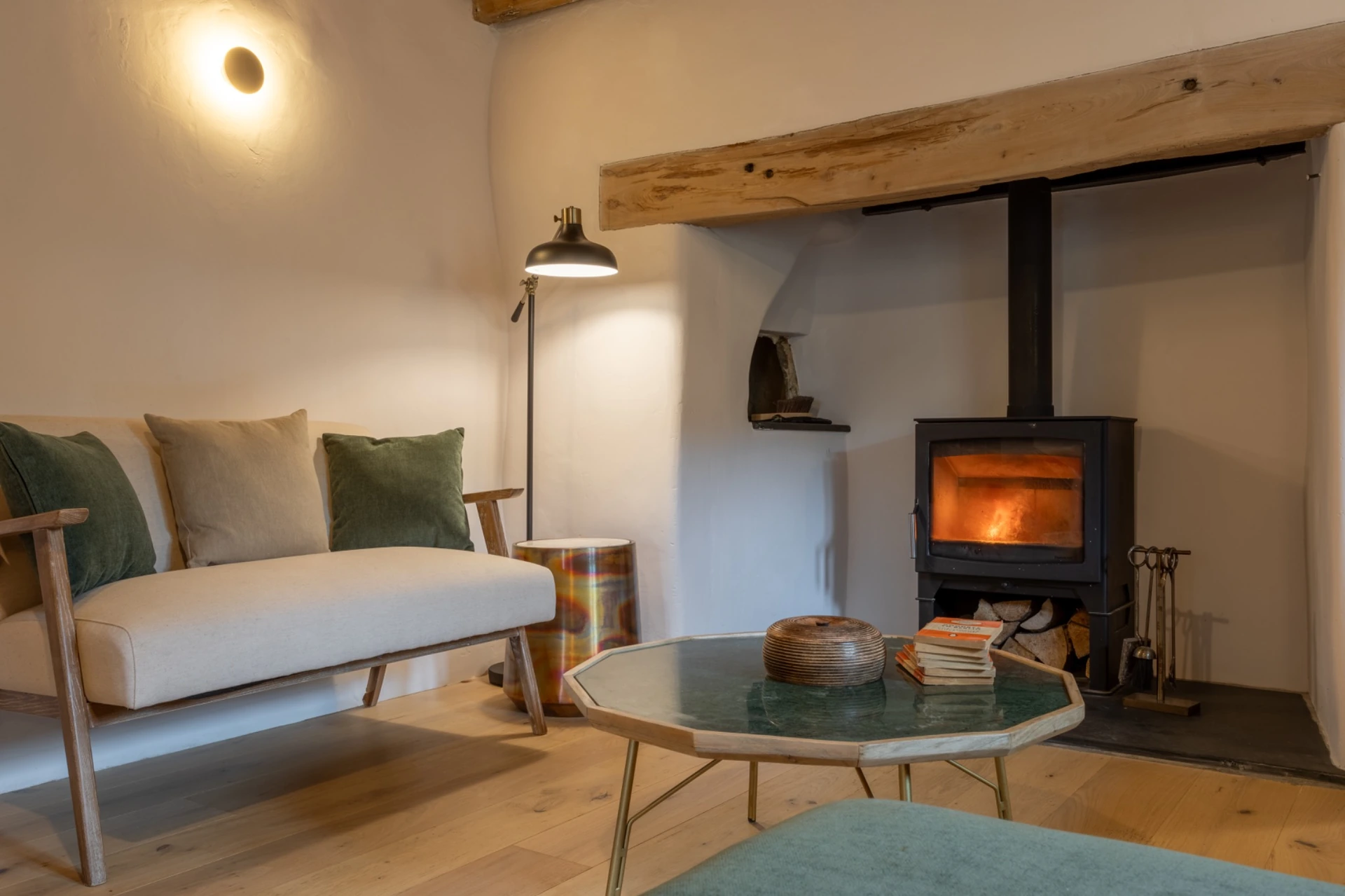
Airbnb: Lead with your most visually striking, unique image. Airbnb is about standing out from the crowd. Atmospheric, editorial-style photography works best.
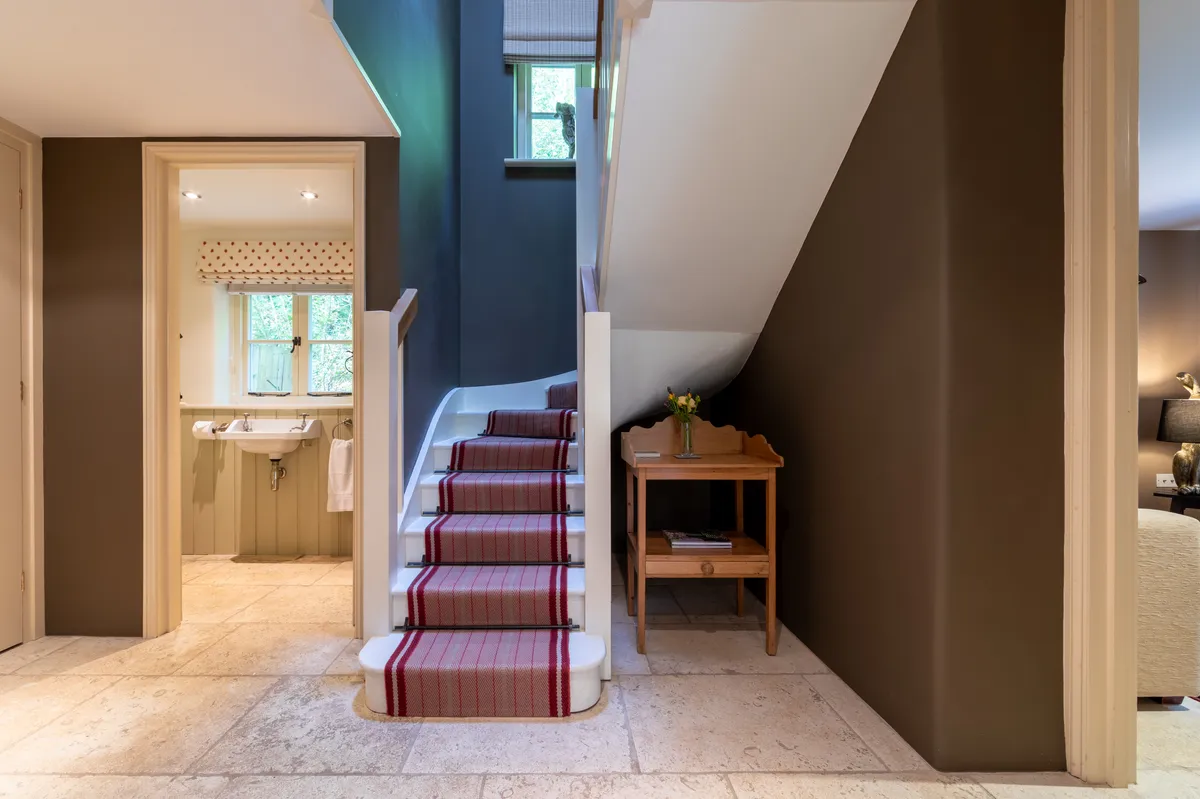
Booking.com: Lead with a clear, well-lit overview of the main living space. Booking.com guests want to understand the space quickly. Clean, informative photography works best.
Vrbo: Lead with an image that shows space and comfort. Family-friendly features (garden, dining table that seats 6, children's room) should be prominent. Warm, welcoming photography works best.
Professional photography works across all platforms because it's adaptable. You can reorder the same set of images to lead with different shots on different platforms, emphasising what each audience cares about most.
09Making Your Decision
If you can only choose one platform (perhaps you're just starting out), here's a simple decision framework:
- 1.Is your property in a city or near transport links? → Start with Booking.com
- 2.Is your property unique, quirky, or highly visual? → Start with Airbnb
- 3.Is your property large (3+ beds) in a traditional holiday area? → Start with Vrbo
- 4.None of the above clearly applies? → Start with Airbnb (largest UK audience for holiday lets)
Then add a second platform within 3-6 months once you've established your listing and earned some reviews on your primary platform.
10FAQ
Can I have different prices on different platforms? You can, but be careful. Guests often check multiple platforms before booking. If your prices are significantly different, you'll confuse potential guests and may violate platform terms. The best approach is to set your base rate the same everywhere and let the different fee structures create natural price differences for the guest.
How do I handle reviews across multiple platforms? Each platform has its own review system. You can't transfer reviews between platforms. This means starting fresh on each new platform. To build reviews quickly on a new platform, consider offering a small introductory discount for the first month to encourage bookings and reviews.
Is it worth being on all three platforms? For most UK holiday lets, two platforms plus direct bookings is the sweet spot. Three platforms means three sets of messages to manage, three listings to optimise, and more complexity. Unless you have a channel manager and the time to manage all three well, focus on two.
Which platform has the best host support? Airbnb has the most responsive support but can be inconsistent in quality. Booking.com's support is slower but generally more professional. Vrbo's support is the weakest of the three. None are perfect, which is another argument for not relying entirely on any single platform.
Should I use the same photos on every platform? Use the same photo set but reorder them for each platform. Your Airbnb cover photo (most visually striking) might not be your Booking.com lead image (most informative). Professional photography gives you enough variety to optimise for each platform's audience.
*Related guides: Seasonal Pricing for UK Holiday Lets · How to Get More Direct Bookings · Filling the Low Season: November to March
*Back to The Host Academy for more free guides on running a successful holiday let.**
--- I photograph holiday lets and Airbnb properties across Somerset, Bristol and Bath. If you need professional photography for your rental, get in touch or call 07545 450543.